
Introduction
Indonesian cuisine is a colorful tapestry woven from islands, cultures, and a bounty of fresh ingredients. Its bold flavors are created by a harmony of spices, herbs, coconut, and tropical produce that reflect the archipelago’s rich biodiversity. Whether you are a seasoned foodie or a curious beginner, discovering Indonesian food offers a journey that delights the palate and nourishes the body.
The Health Benefits of Indonesian Food
Beyond its delicious taste, Indonesian dishes are packed with nutrients. The frequent use of garlic, ginger, turmeric, and chili provides anti‑inflammatory and antioxidant properties. Coconut milk, a staple in many recipes, delivers healthy fats that support heart health. Fresh vegetables and leafy greens add fiber, vitamins, and minerals, while lean proteins such as fish, tofu, and tempeh offer essential amino acids without excess saturated fat.
- Anti‑Inflammatory Boost: Spices like turmeric and ginger help reduce inflammation and support joint health.
- Heart‑Healthy Fats: Coconut milk contains medium‑chain triglycerides that can improve cholesterol levels.
- Rich in Vitamins: Green leafy vegetables and fruit garnishes supply vitamins A, C, and K.
- Probiotic Support: Fermented foods such as tempeh and fermented fish introduce beneficial gut bacteria.
Signature Dishes You Must Try
Nasi Goreng
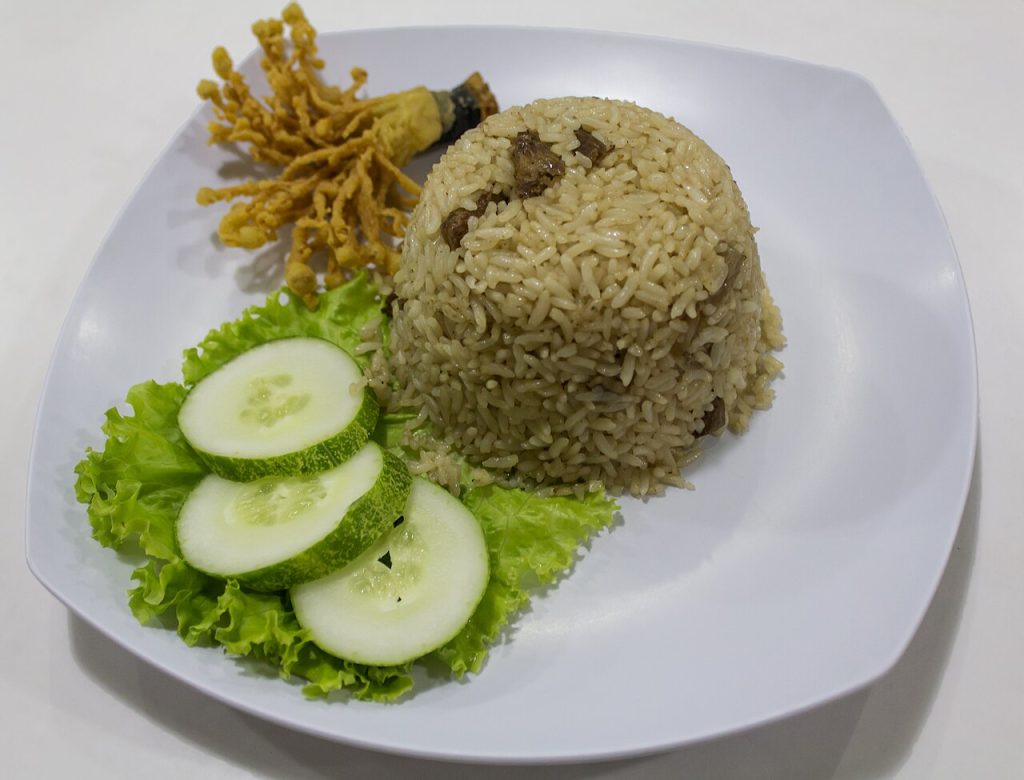
Often called Indonesia’s national dish, nasi goreng is a fragrant fried rice that marries sweet soy sauce, shallots, and a hint of lime. It is typically served with a fried egg, sliced cucumber, and sometimes satay skewers. The dish showcases the island’s love for layered flavors and is a staple at breakfast and dinner tables alike.
Rendang
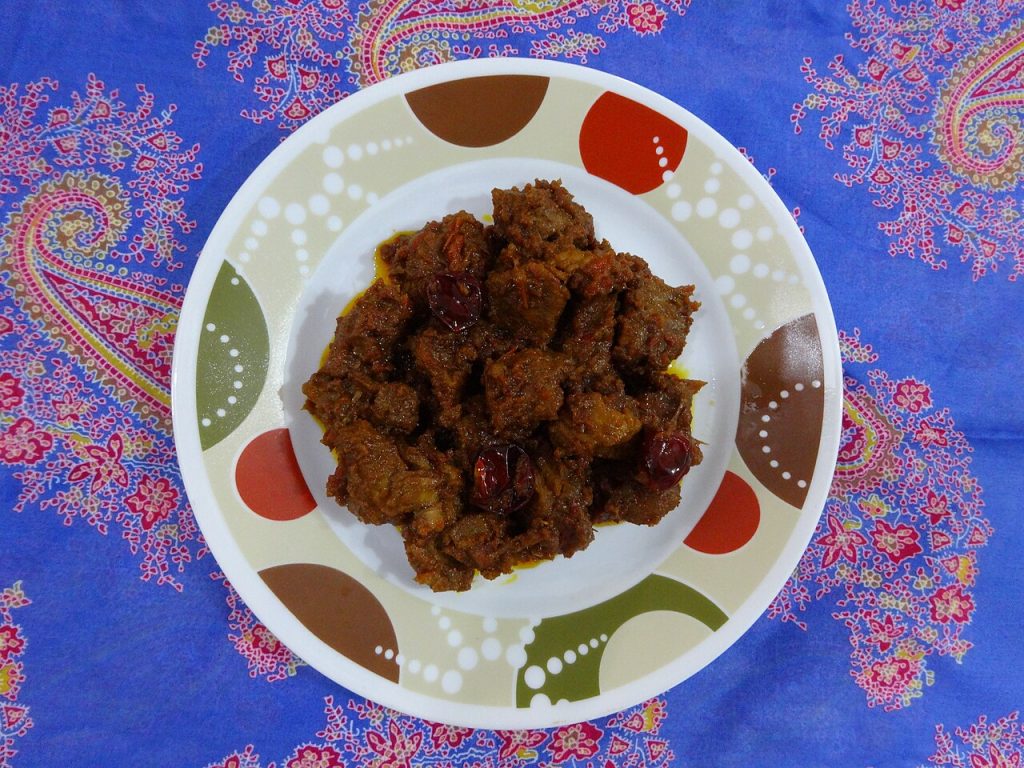
Originating from the Minangkabau people of West Sumatra, rendang is a slow‑cooked beef stew simmered in coconut milk and a complex spice paste of galangal, lemongrass, and dried chilies. The result is tender meat with a rich, slightly sweet, and smoky aroma that has earned it UNESCO recognition as a culinary heritage of the world.
Gado‑Gado
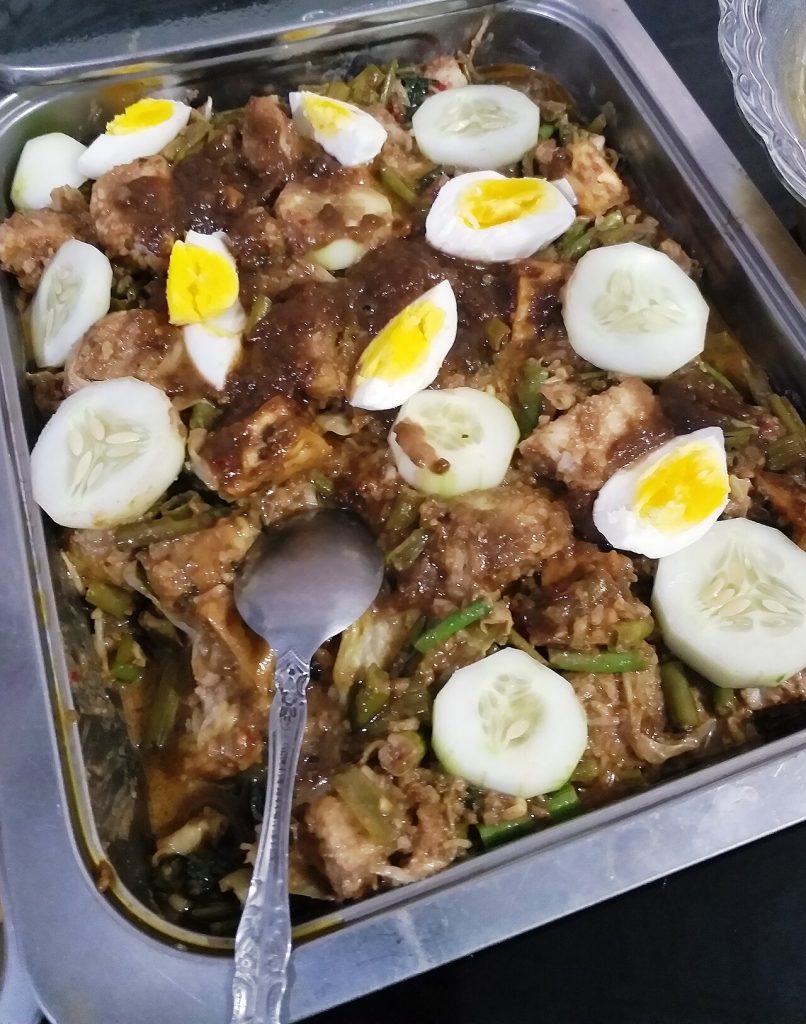
Gado‑gado is a vibrant salad of blanched vegetables, hard‑boiled eggs, and tofu, tossed in a peanut sauce that balances sweet, salty, and spicy notes. It is a refreshing, protein‑rich option that exemplifies Indonesian ingenuity in creating nourishing meals from humble ingredients.
Practical Tips for Cooking Indonesian Food at Home
- Start with a good stock: simmer coconut milk, lemongrass, and kaffir lime leaves to create a fragrant base.
- Use a mortar and pestle for spice pastes: this releases essential oils and ensures a smooth, aromatic paste.
- Balance flavors: taste as you go, adding a touch of sweet soy sauce, lime juice, or a pinch of sugar to achieve harmony.
- Embrace heat: keep a small bowl of sliced chilies or a pinch of dried pepper near the stove to adjust spice levels.
- Explore plant‑based options: tempeh, tofu, and jackfruit can replace meat without compromising texture.
- Serve with fresh herbs: a sprinkle of fried shallots, sliced scallions, or fresh cilantro brightens the dish.
Creative Ways to Incorporate Indonesian Flavors into Everyday Meals
Even if you don’t have time for a full Indonesian feast, you can infuse everyday dishes with its distinctive taste. Here are some ideas to get you started.
- Spice‑Infused Rice: Cook jasmine rice with a pinch of turmeric, bay leaf, and a splash of coconut milk for a subtle, fragrant side.
- Peanut Sauce Drizzle: Toss grilled chicken or roasted vegetables with a quick peanut sauce to add depth.
- Gado‑Gado Wraps: Fill whole‑grain tortillas with mixed greens, sliced cucumber, boiled eggs, and peanut dressing for a portable lunch.
- Rendang‑Style Marinade: Marinate pork or tofu in a rendang spice paste before grilling for a smoky, savory flavor.
- Indonesian Breakfast: Pair a small bowl of miso soup with steamed rice and a side of pickled vegetables for a balanced start to the day.
Conclusion
Indonesian cuisine invites you to explore a world of bold flavors, wholesome ingredients, and culinary creativity. Whether you’re preparing a comforting rendang, a quick nasi goreng, or a fresh gado‑gado, the dishes offer a delightful blend of taste and nutrition. With the practical tips and creative ideas above, you can easily bring a piece of Indonesia to your own kitchen and share its vibrant spirit with friends and family.