
Introduction
Indonesian cuisine is a tapestry of bold flavors, aromatic herbs, and wholesome ingredients that reflect the archipelago’s diverse cultures and abundant natural resources. Whether you’re a seasoned traveler or a curious home cook, exploring Indonesian food offers a delicious way to nourish both body and soul. In this guide, we’ll uncover the nutritional benefits of key ingredients, showcase classic dishes that define the region, and suggest creative ways to bring Indonesian flair into everyday meals.
Health Benefits of Indonesian Ingredients
Indonesian cooking often relies on fresh, locally sourced produce, which delivers a range of health benefits:
- Spices and Herbs: Turmeric, ginger, galangal, and lemongrass are rich in anti‑inflammatory compounds. Their regular use can support joint health and boost digestion.
- Seafood & Coconut: Fish, shrimp, and coconut milk provide heart‑healthy omega‑3 fatty acids and healthy fats that promote brain function and reduce LDL cholesterol.
- Leafy Greens & Root Vegetables: Spinach, kale, sweet potatoes, and cassava are high in fiber, vitamins A and C, and minerals such as magnesium and potassium, which aid in energy production and immune support.
- Fermented Foods: Tempeh and fermented soy products offer probiotics that help maintain gut health and strengthen the immune system.
Combining these ingredients into a balanced plate can help manage inflammation, support cardiovascular health, and keep you feeling satisfied after meals.

Iconic Indonesian Dishes to Try
Nasi Goreng (Fried Rice)
This fragrant rice dish is a staple across the islands. Nasi Goreng is typically stir‑fried with kecap manis (sweet soy sauce), shallots, garlic, and chili. It’s often served with a fried egg, sliced cucumber, and a side of krupuk (crunchy crackers). The combination of protein, carbs, and vegetables makes it a wholesome, comforting meal.
Sate Ayam (Chicken Satay)
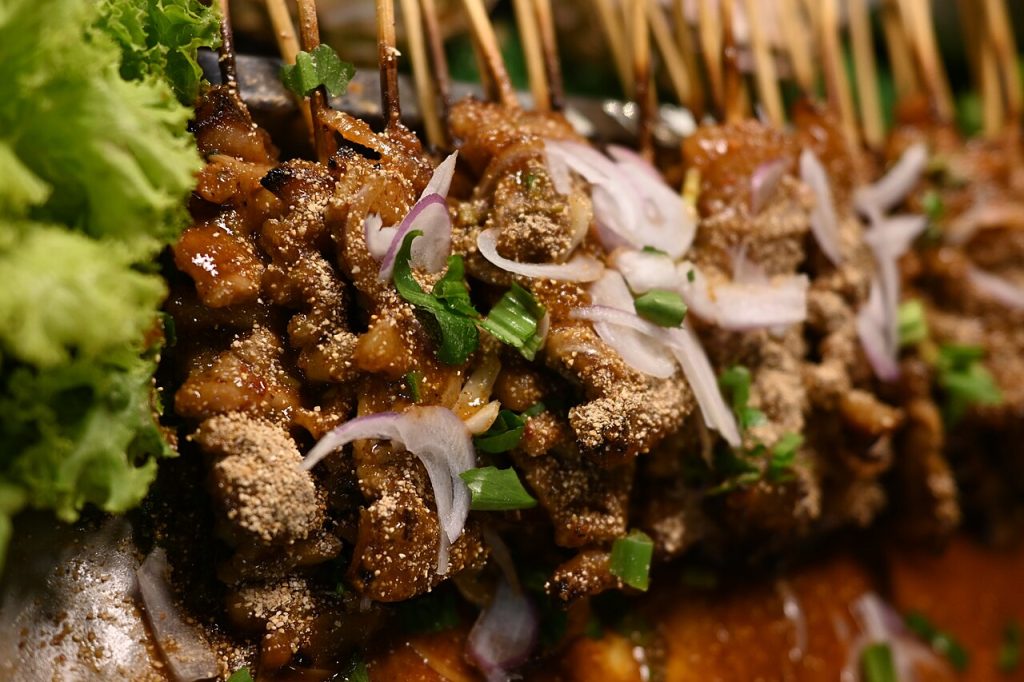
Marinated chicken skewers grilled to perfection, served with a peanut sauce and a cucumber‑onion relish. The slow grilling process helps retain moisture and flavor, while the peanut sauce adds a creamy, nutty richness that pairs beautifully with the smoky char.
Gado‑Gado (Vegetable Salad)
This colorful salad of blanched vegetables, hard‑boiled eggs, tofu, and tempeh is tossed in a spicy peanut dressing. It’s an excellent source of plant protein and vitamins, and the dressing’s tangy sweetness balances the earthy flavors of the greens.
Rendang (Beef Rendang)
Originating from Sumatra, Rendang is a slow‑cooked, dry curry where beef is simmered in coconut milk, lemongrass, galangal, and a complex blend of spices. The long cooking process creates tender meat with a deep, caramelized flavor profile that is both comforting and aromatic.
Creative Ways to Incorporate Indonesian Flavors
Beyond traditional dishes, Indonesian ingredients can elevate everyday meals. Here are a few inventive ideas:
- Spice‑Infused Smoothies: Blend frozen banana, a pinch of grated ginger, and a splash of coconut milk for a tropical, anti‑inflammatory breakfast.
- Tempeh Stir‑Fry: Marinate tempeh cubes in soy sauce, lime juice, and sambal oelek, then sauté with bell peppers and onions. Serve over jasmine rice for a quick, protein‑rich dinner.
- Peanut Sauce Pasta: Toss cooked spaghetti with a creamy peanut sauce, sliced chilies, and fresh cilantro. The sauce’s nutty depth gives pasta a unique, Southeast Asian twist.
- Indonesian‑Style Omelette: Whisk eggs with diced tomatoes, onions, and a sprinkle of turmeric. Cook in a skillet, fold over a spoonful of sambal, and serve with a side of sliced avocado.

Practical Tips for Cooking Indonesian Food at Home
1. Stock Your Pantry: Keep dried spices like coriander, cumin, and nutmeg, and pantry staples such as kecap manis, palm sugar, and fish sauce on hand.
2. Master the Balance: Indonesian dishes often rely on the sweet‑savory‑spicy balance. Adjust the sweetness with palm sugar or sweet soy sauce, and add heat with sambal or fresh chilies.
3. Use Fresh Herbs: Lemongrass, kaffir lime leaves, and galangal bring bright aromatics. Store them in a damp paper towel in the refrigerator for up to a week.
4. Practice the Technique: Many Indonesian meals involve stir‑frying or slow‑cooking. Invest in a good wok or a Dutch oven to replicate authentic textures.
Conclusion
Indonesian cuisine offers a flavorful, nutritious, and versatile culinary adventure. By understanding the health benefits of its key ingredients, sampling classic dishes, and experimenting with creative twists, you can bring a taste of the archipelago into your kitchen. Embrace the bold flavors, share the experience, and enjoy the journey of exploring one of the world’s most vibrant food traditions.