Introduction
Thai cuisine is celebrated worldwide for its vibrant flavors, fragrant herbs, and balanced sweet‑sour‑spicy profiles. Yet, with so many options—from street stalls to upscale restaurants—finding the authentic dishes you’ll love can be tricky. This guide breaks down what to look for, how to read menus, and practical steps to ensure you enjoy the real taste of Thailand.
Understanding Thai Cuisine: Regional Variations
Thailand’s culinary landscape is divided into three main regions, each with distinct characteristics. Knowing these differences helps you set realistic expectations and choose dishes that fit your palate.
- North & Northeast: Hearty, earthy flavors featuring fermented soy, tamarind, and a milder spice level. Popular dishes include Khao Soi and Som Tum (green papaya salad).
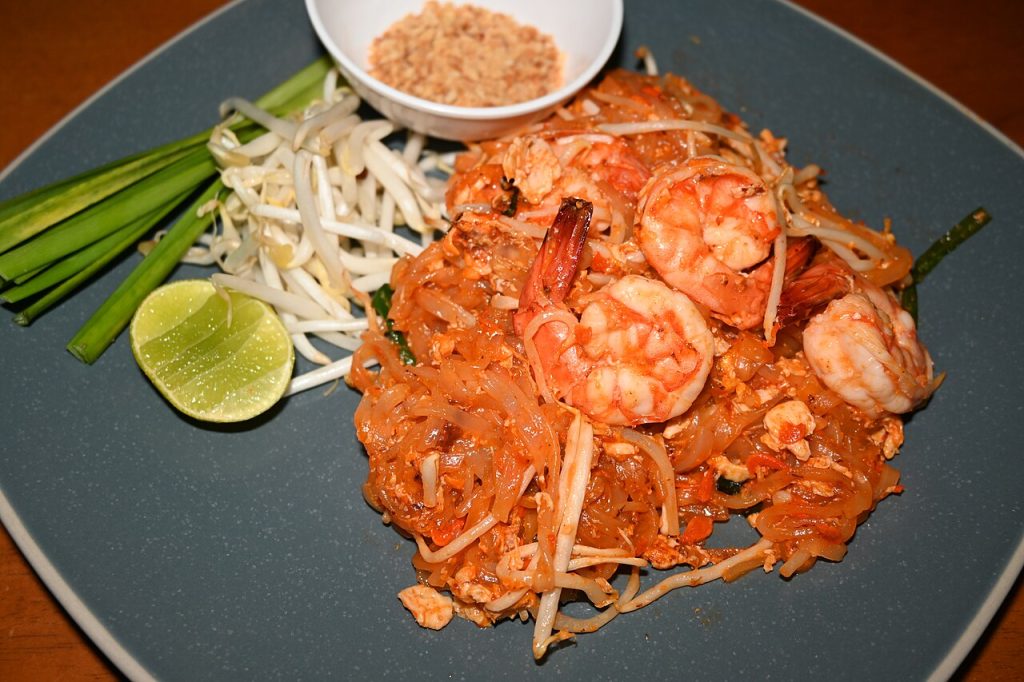
- Central: The most internationally recognized style, known for its fragrant curries, coconut milk, and a balanced sweet‑sour mix. Signature dishes are Pad Thai and Massaman Curry.
- South: Rich, aromatic curries with a higher emphasis on seafood, chilies, and lemongrass. Think Panang Curry and Tom Yum Goong.
When you see a dish labeled “Thai” without a regional tag, it usually follows the Central style, but the best restaurants will indicate the origin to set you up for the right experience.
Key Ingredients & Flavor Profiles
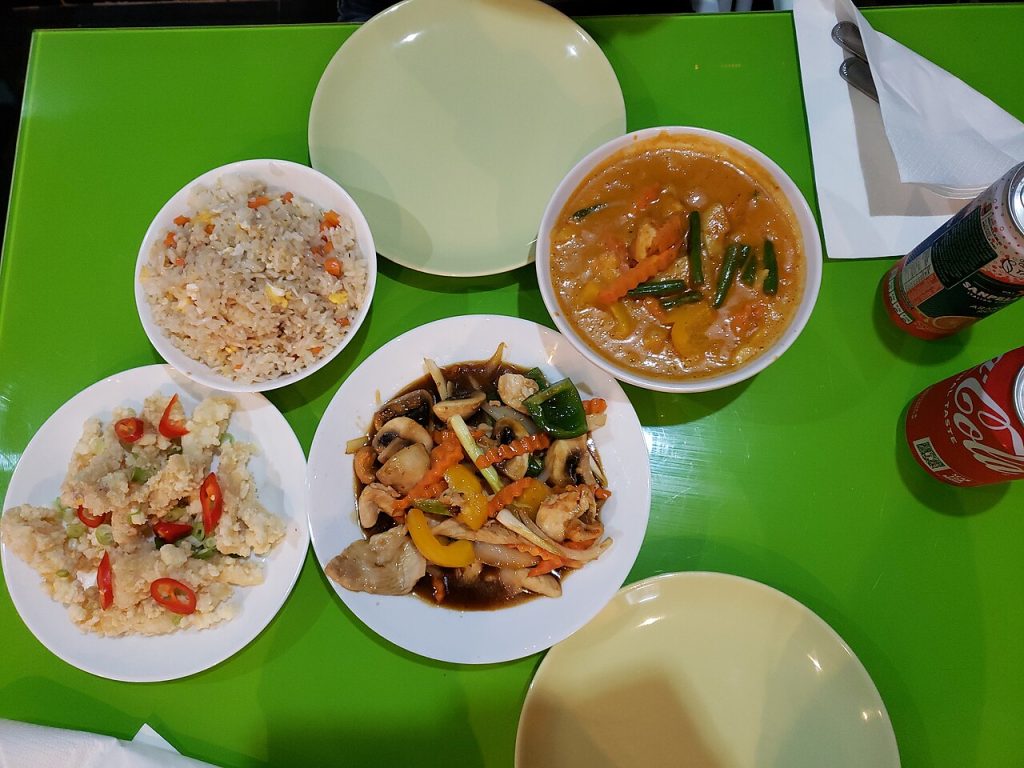
Authentic Thai food relies on a handful of core ingredients. Recognizing them on a menu can be your first step to a genuine taste.
- Fresh herbs: Lemongrass, kaffir lime leaves, galangal, cilantro, and Thai basil create aromatic layers.
- Spices: Bird’s eye chilies, dried chili flakes, and Thai peppercorns provide heat.
- Umami boosters: Fish sauce, shrimp paste, and tamarind paste add depth.
- Sweeteners: Palm sugar or cane sugar balance acidity and spice.
- Base liquids: Coconut milk, water, or broth serve as the dish’s foundation.
When a menu lists these ingredients—or describes the dish using terms like “sour,” “spicy,” and “sweet”—you’re likely looking at a recipe that follows traditional methods.
How to Read a Menu: Recognizing Authentic Dishes
Menus can be confusing, especially when international versions add “Thai” to every dish. Use these pointers to spot authenticity.
- Ingredient transparency: Authentic menus list the core ingredients rather than generic descriptors like “mixed vegetables.”
- Cooking technique clues: Look for terms such as “stir‑fried,” “simmered,” or “roasted” that match traditional Thai methods.
- Spice level indicators: Words like “hot,” “medium,” or “mild” are standard. Some menus specify the number of chilies or a “spice scale.”
- Local sourcing: Dishes featuring fresh seafood, seasonal produce, or regional specialties indicate a focus on authenticity.
- Chef’s signature: A dish named after the chef or a local landmark often reflects genuine regional cooking.
Practical Tips for Selecting Thai Food
Below are actionable steps to ensure you pick dishes that deliver real Thai flavor.
- Start with a classic: If you’re new, begin with well‑known staples such as Pad Thai, Tom Yum Goong, or Green Curry. They’re safe bets for authenticity.
- Ask the staff: Inquire about the dish’s origin, cooking method, and whether it uses fresh herbs or pre‑made sauces.
- Check the sauce: Authentic Thai sauces are typically homemade. Ask if the sauce is made on the spot rather than pre‑packed.
- Watch the preparation: A vibrant, colorful stir‑fry or a fragrant, simmering curry signals freshness.
- Mind the spice level: If you’re sensitive, request a milder version or ask if the chef can adjust the heat.
- Pair wisely: Complement spicy dishes with plain rice or coconut milk to balance heat.
Common Misconceptions & How to Avoid Them
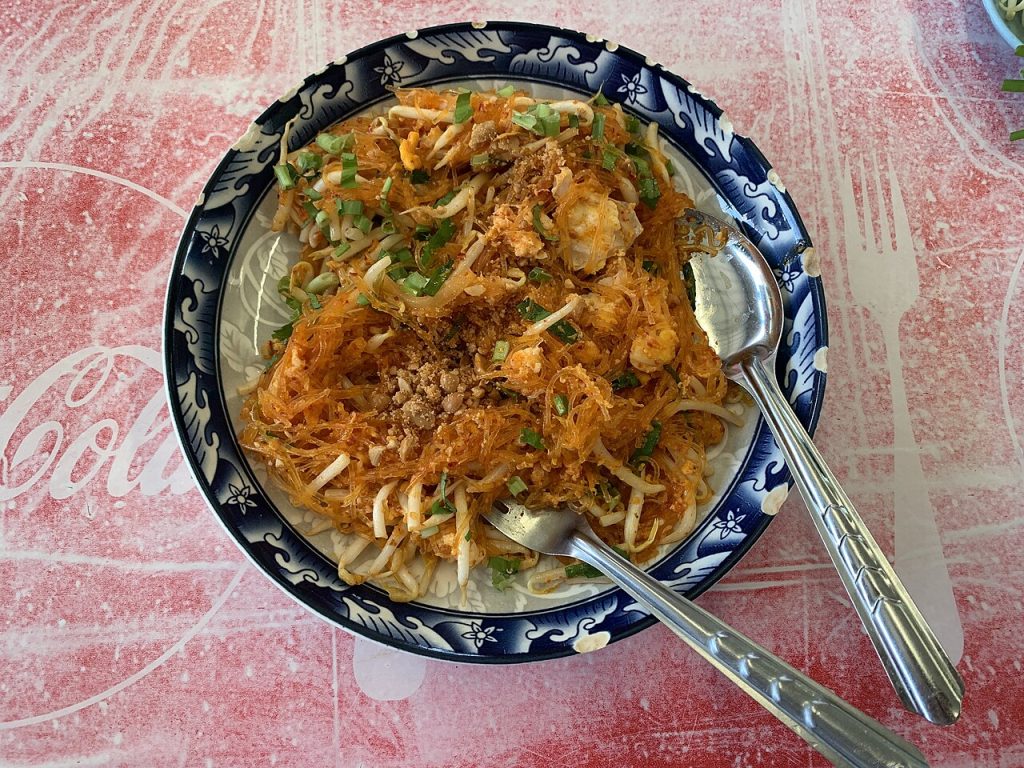
- “Thai food is always very spicy.” Reality: Most regional dishes are moderate. Only dishes labeled “very hot” or “extra spicy” will push heat levels.
- “All Thai curries taste the same.” Reality: Curries vary by region and ingredients—green curry is lighter, red curry richer, and Massaman uses cumin and cardamom.
- “Street food is always unclean.” Reality: Many street stalls in Thailand adhere to strict hygiene standards and use freshly harvested ingredients.
- “Imported Thai restaurants use the same recipes.” Reality: Authenticity depends on the chef’s training and ingredient sourcing; local Thai chefs often deliver superior flavor.
Conclusion
Choosing the right Thai food is less about chasing exotic labels and more about understanding regional styles, core ingredients, and honest menu descriptions. With these insights and practical tips, you’ll confidently pick dishes that deliver the true essence of Thai cuisine—whether you’re dining in Bangkok, a Thai market in your city, or a high‑end restaurant abroad.