
Street food is the heartbeat of many cities, offering a quick bite that reflects local culture and flavors. Yet, with countless stalls and vendors, it can be overwhelming to decide where to eat. This guide breaks down the essential factors you should consider to choose street food that’s not only tasty but also safe and satisfying.
Understanding Street Food Culture
Every region has its own street food etiquette. In Bangkok, night markets are bustling hubs of culinary adventure, while in Mexico City, tacos on the corner are a daily ritual. Knowing the local context—what dishes are popular, when stalls open, and how vendors operate—helps you gauge authenticity. Ask locals or consult travel blogs; they often point out the best spots that blend tradition with quality.
Key Factors to Consider
Food Quality
Freshness is paramount. Look for vendors who prepare dishes on the spot, use seasonal ingredients, and have a visible supply chain. A clear line of customers can also signal that the food is well-liked and consistently good.
Hygiene
Inspect the vendor’s workspace. Clean utensils, covered storage, and a well-maintained stall are good signs. If the vendor uses a dedicated cooking area with a heat source, it reduces contamination risk. Watch how they handle food—are they wearing gloves or clean gloves, and do they use a separate cutting board for raw items?
Reputation
Longevity matters. A stall that’s been around for years often has refined its recipe and service. Look for signs of regular patronage, such as a line that never clears quickly. Social media can also provide real-time feedback; check recent reviews or photos on platforms like Instagram or local food forums.
Price
While street food is generally affordable, prices that are too low can indicate low-quality ingredients or rushed preparation. Compare similar dishes across stalls; a price difference of 20-30% often reflects a difference in quality.
Authenticity
Authentic street food is rooted in local traditions. Pay attention to unique cooking techniques—grilled, fried, or fermented—that set a dish apart from generic versions. A vendor who uses traditional tools, like a wood-fired grill or a clay pot, often brings a more genuine flavor.

Practical Tips for Choosing
- Check the crowd. A busy stall means the food is in demand and likely fresh.
- Observe the cooking process. Transparent preparation allows you to see the food being cooked.
- Ask questions. Engaging with the vendor can reveal ingredient sourcing and cooking methods.
- Sample small portions. Try a bite first to test taste and texture before committing to a full order.
- Use your senses. Aroma, color, and sound of sizzling can indicate freshness.
Safety First
Sanitation
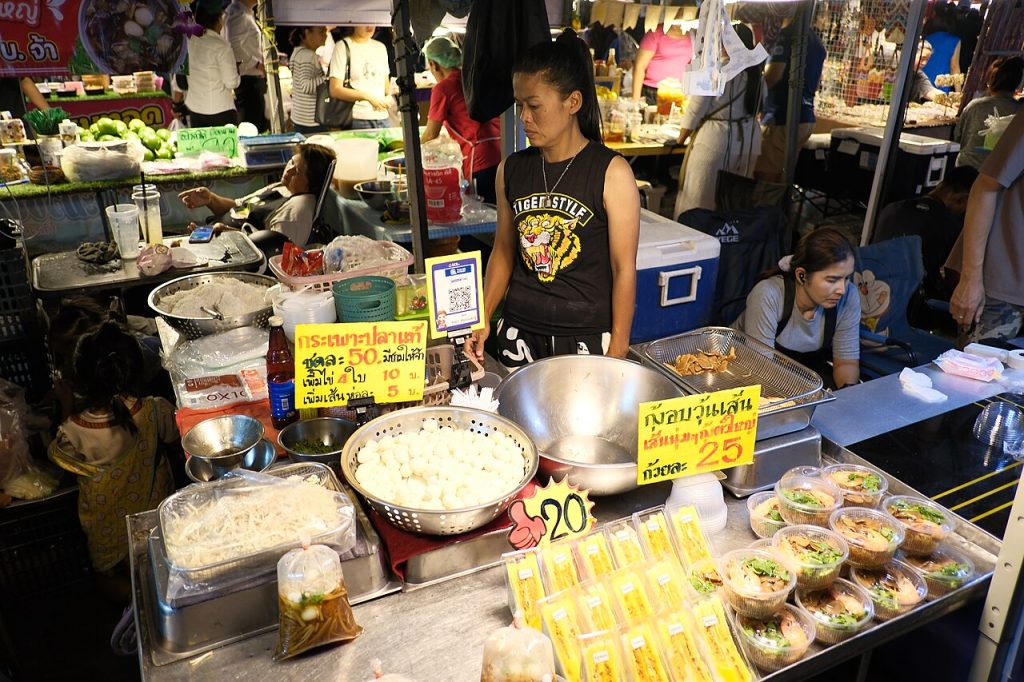
Ensure the vendor washes hands frequently and uses clean utensils. A stall that uses disposable gloves or a clean cutting board reduces cross-contamination. Look for a dedicated waste disposal area; overflowing trash can attract pests.
Food Handling
Check how the vendor stores perishable items. Cold dishes should be kept refrigerated, while hot dishes should be kept steaming. If you see raw meat placed near cooked foods, that’s a red flag.
Traveler’s Health
Carry hand sanitizer and avoid eating raw or undercooked foods, especially in regions with higher bacterial risks. If you’re prone to food sensitivities, ask about ingredients to avoid allergens.
Budget-Friendly Choices
Street food can be a wallet‑friendly way to explore new cultures. Look for combo deals or shared plates that offer variety at a lower cost. Many vendors provide a “tasting platter” where you sample several small items, giving you a full experience without breaking the bank.
Conclusion
Choosing the right street food is a blend of curiosity, observation, and a dash of caution. By paying attention to quality, hygiene, reputation, and price, you can savor authentic flavors while staying safe. Next time you stroll through a bustling market, remember these guidelines—your taste buds and health will thank you.