
Japan’s cuisine is celebrated for its balance, artistry, and emphasis on seasonal ingredients. Whether you’re dining in Tokyo, Osaka, or a local Japanese restaurant abroad, knowing how to pick the right dishes can turn a meal into a memorable experience. Below is a practical guide that covers everything from understanding regional differences to spotting freshness and mastering ordering etiquette.
Understanding Japanese Cuisine Basics
Japanese food is often divided into two broad categories: kitchen‑style (bunka) and regional (shokunin) dishes. The former focuses on refined techniques and presentation, while the latter highlights local ingredients and traditions.
Regional Variations
- Hokkaido – Known for seafood, dairy, and hearty stews.
- Kyoto – Emphasizes subtle flavors, tofu, and seasonal vegetables.
- Osaka – Famous for street foods like takoyaki and okonomiyaki.
- Okinawa – Features pork, sweet potato, and tropical fruits.
Knowing the region can guide you toward dishes that showcase local pride.
Seasonal Ingredients
Japanese chefs celebrate nature’s cycles. Seasonal menus, or shun, highlight ingredients at their peak. For instance, bamboo shoots appear in spring, while chestnuts and mushrooms dominate the autumn season. Choosing dishes that match the current season often ensures freshness and flavor.
Decoding the Menu
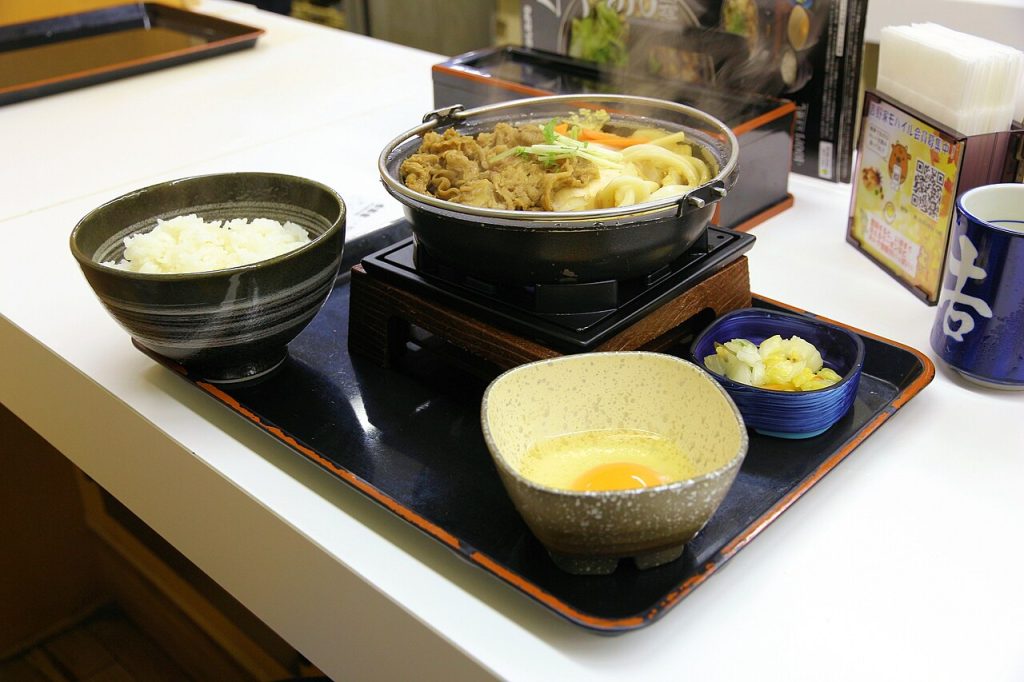
Menus in Japan can be intimidating, especially if they are only in Japanese. Here are key points to help you navigate:
Common Dishes and Their Significance
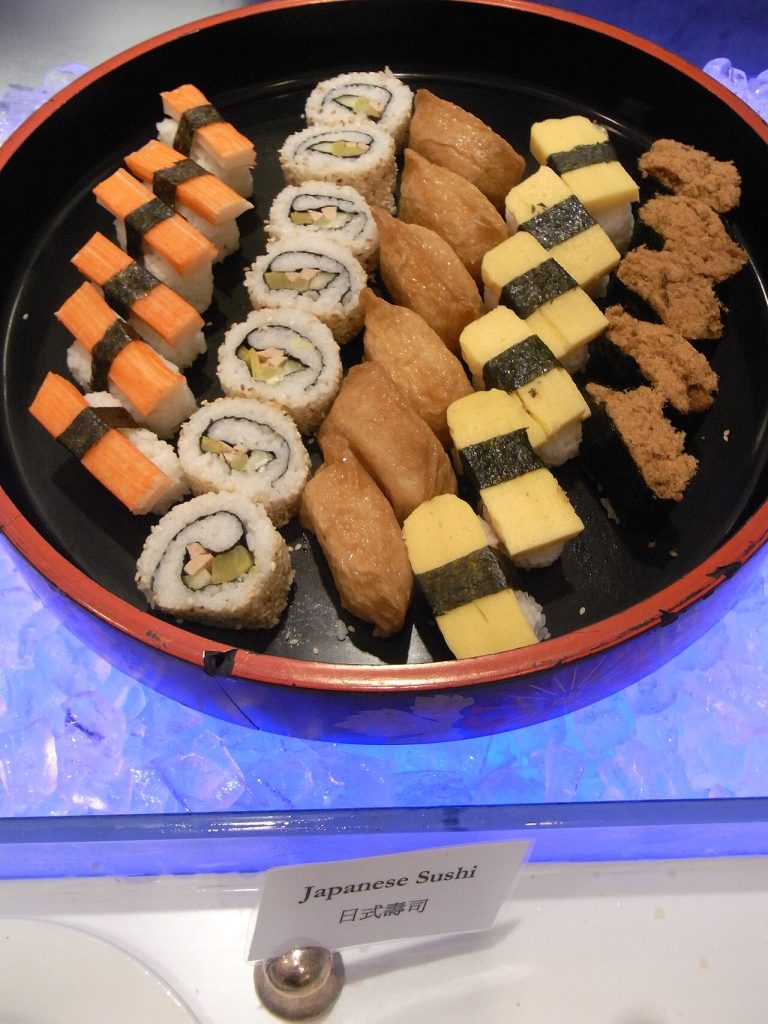
- Sushi & Sashimi – Raw fish served with rice or as sashimi alone. Ideal for showcasing quality seafood.
- Tempura – Lightly battered and fried seafood or vegetables; a test of batter crispness.
- Ramen – Noodle soup that varies by broth type (shoyu, miso, tonkotsu).
- Donburi – Rice topped with meats or seafood; reflects regional preferences.
How to Read a Japanese Menu
Menus often list the main ingredient first, followed by the cooking style. For example, “鰻丼 (unagi don)” means eel rice bowl. Look for the Japanese term for the dish; many restaurants provide English translations next to the name.
Tips for Selecting Authentic Japanese Food
Look for Freshness
Freshness is paramount. Observe the fish for a clear, bright color and a mild ocean scent. Fresh vegetables should be crisp and vibrant. If a fish looks dull or has a strong odor, it’s best to choose a different item.
Consider the Source
Ask if the ingredients are local or imported. Local fish or produce often indicates a higher quality and supports regional economies. Some restaurants proudly display their supply chain information.
Ask for Recommendations
Don’t hesitate to ask the server for the chef’s recommendation. This often leads to signature dishes or seasonal specials that you might otherwise miss.
Practical Tips for Ordering
Ordering Etiquette
- Use polite language: “いただけますか” (itadakemasu ka) means “Could I have this?”
- When in doubt, order a small portion to share; Japanese meals are typically served in smaller portions.
- Do not leave a single bite on your plate; it shows appreciation for the chef’s effort.
Pairing with Drinks
Traditional drinks include green tea, sake, and shochu. Green tea pairs well with delicate sushi, while sake complements richer dishes like grilled meats. For a refreshing contrast, try a cold beer with a hearty ramen.
Portion Control
Japanese cuisine favors balance. If you’re unsure, start with a small appetizer like edamame or a miso soup, then proceed to the main course.

Conclusion
Choosing the right Japanese food is a blend of curiosity, observation, and respect for tradition. By understanding regional specialties, reading menus thoughtfully, and prioritizing freshness, you can savor dishes that truly reflect Japan’s culinary artistry. Whether you’re a seasoned traveler or a first‑time visitor, these tips will help you navigate any menu with confidence and enjoy a genuine taste of Japan.