
Chinese cuisine is as diverse as the country itself, offering a spectrum of flavors, textures, and cooking techniques. Whether you’re a seasoned foodie or a curious newcomer, navigating the menu can feel overwhelming. This guide cuts through the noise by breaking down key factors that help you choose the right Chinese food for any setting.
Know Your Flavor Profile
Chinese dishes are often categorized by their dominant taste—sweet, sour, salty, bitter, or umami. Identifying the flavor you crave will streamline your decision.
- Sweet – Think sweet and sour pork or honey-glazed mandarin chicken. These dishes pair well with neutral sides like steamed rice.
- Sour – Pick dishes featuring vinegar or citrus, such as fish with preserved mustard greens or hot and sour soup.
- Salty – Dishes like soy-sauce braised pork or garlic shrimp deliver deep savory notes.
- Bitter – A handful of bitter greens, such as water spinach stir‑fry, provide a refreshing contrast.
- Umami – Mushrooms, fermented bean paste, and star anise create rich, earthy flavors in braised beef or pork.
Regional Styles Matter
China’s culinary traditions vary by province. Understanding regional signatures can guide you to dishes that match your mood or dietary needs.
- Shandong – Emphasizes light, savory flavors with a focus on fresh seafood. Try the classic Dezhou braised chicken.
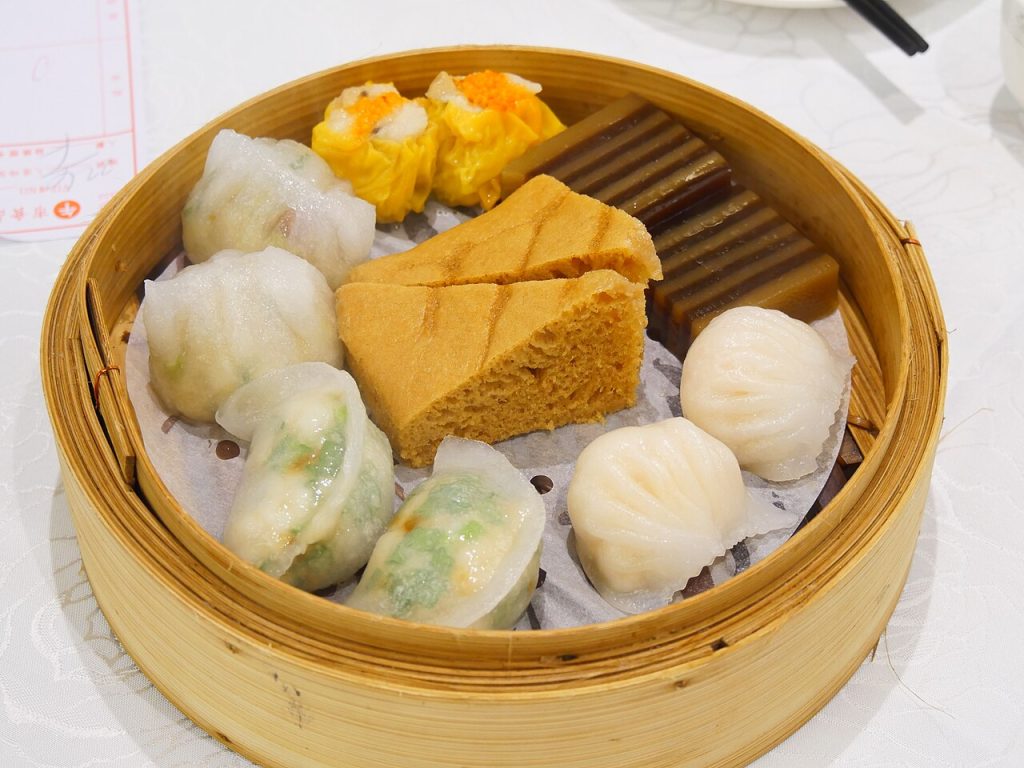
- Guangdong (Cantonese) – Known for dim sum, steamed buns, and subtle seasoning. Dim sum platters are ideal for a brunch or snack.
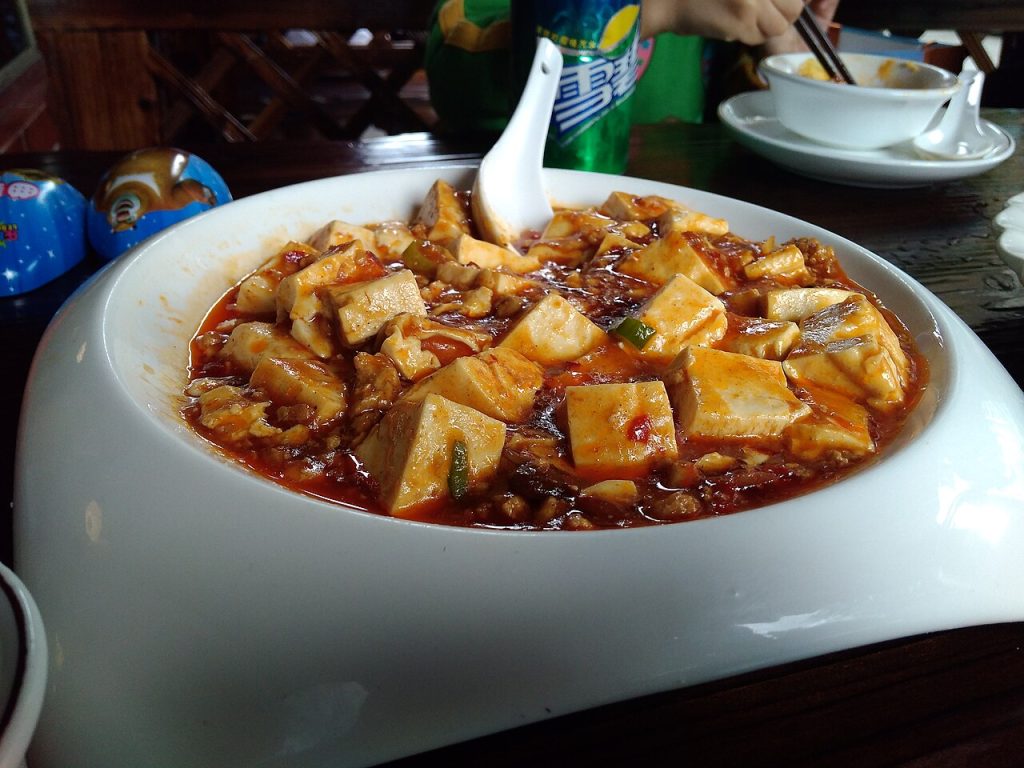
- Sichuan – Famous for bold, spicy, and numbing dishes. The iconic Mapo tofu showcases peppery heat.
- Yunnan – Offers fragrant mushroom soups and herbal stews. The Crossing-the-bridge rice noodles are a comforting choice.
- Hunan – Combines spicy and sweet flavors with generous use of chili oil. Try Steamed fish with garlic sauce.
Consider Your Cooking Situation
Whether you’re dining out, ordering in, or cooking at home, the context influences your choice.
- Dining Out – Look for dishes that showcase the restaurant’s specialty. A signature dish often reflects the chef’s expertise.
- Take‑away – Opt for items that travel well. Steamed dumplings or fried rice maintain flavor after a short wait.
- Home Cooking – Choose recipes that match your skill level. Simple stir‑fries are great for beginners, while braised dishes suit seasoned cooks.
- Meal Planning – For a week of lunches, consider making large batches of chicken fried rice or vegetable chow mein that reheat quickly.
Mind Your Health Goals
Chinese cooking offers both indulgent and wholesome options. Align your choice with dietary priorities.
- Low‑Calorie – Pick steamed or boiled items. Steamed fish with ginger is light yet satisfying.
- High‑Protein – Lean meats like chicken or fish, paired with tofu, provide lean protein without excess fat.
- Vegetarian/Vegan – Sichuan pepper tofu or stir‑fried bok choy with garlic satisfy meat‑free cravings.
- Gluten‑Free – Substitute wheat noodles with rice noodles or rice cakes. Many sauces can be made gluten‑free with tamari.
- Low‑Sodium – Request sauces to be made with reduced salt or use soy sauce alternatives.
Practical Tips for the Menu
When you’re in a crowded restaurant or scrolling through a delivery app, use these quick checks:
- Ask About the Sauce – Knowing whether a dish is oil‑based, soy‑based, or vinegar‑based helps you gauge flavor intensity.
- Check Portion Sizes – Some dishes are served in small plates; order a few to sample a variety.
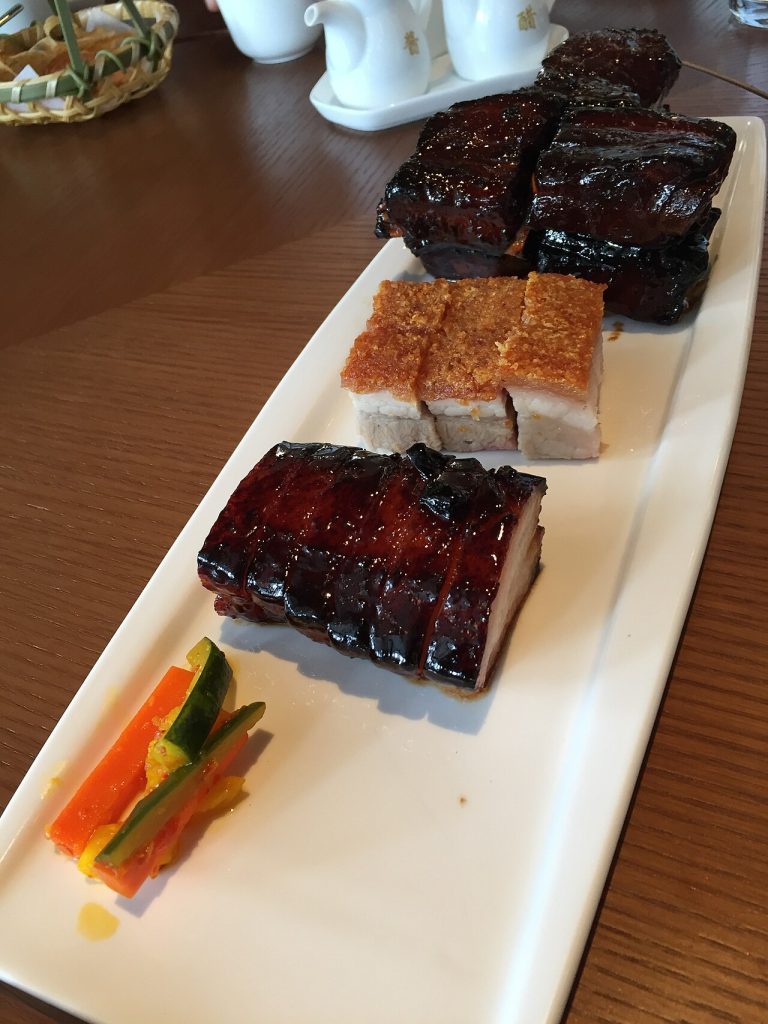
- Read Descriptions Carefully – Look for words like “char‑broiled,” “braised,” or “stir‑fried” to anticipate texture and taste.
- Use the “Chef’s Recommendation” – Often the chef’s pick reflects seasonal freshness and quality.
- Pair Wisely – Combine a spicy dish with a mild side like plain jasmine rice to balance heat.
Conclusion
Choosing the right Chinese food boils down to understanding flavors, regional styles, your cooking context, and health goals. Armed with these insights, you can navigate menus with confidence, whether you’re ordering from a street stall, planning a dinner party, or experimenting in your kitchen. The next time you sit down to a Chinese meal, you’ll know exactly what to look for and why it will satisfy your palate and purpose.