
Chinese cuisine has captivated diners worldwide for centuries, offering a blend of flavors, textures, and colors that reflect the country’s diverse regions. Whether you’re a seasoned foodie or new to the menu, understanding what makes Chinese food special can help you choose dishes that nourish and delight.
Health Benefits of Chinese Food
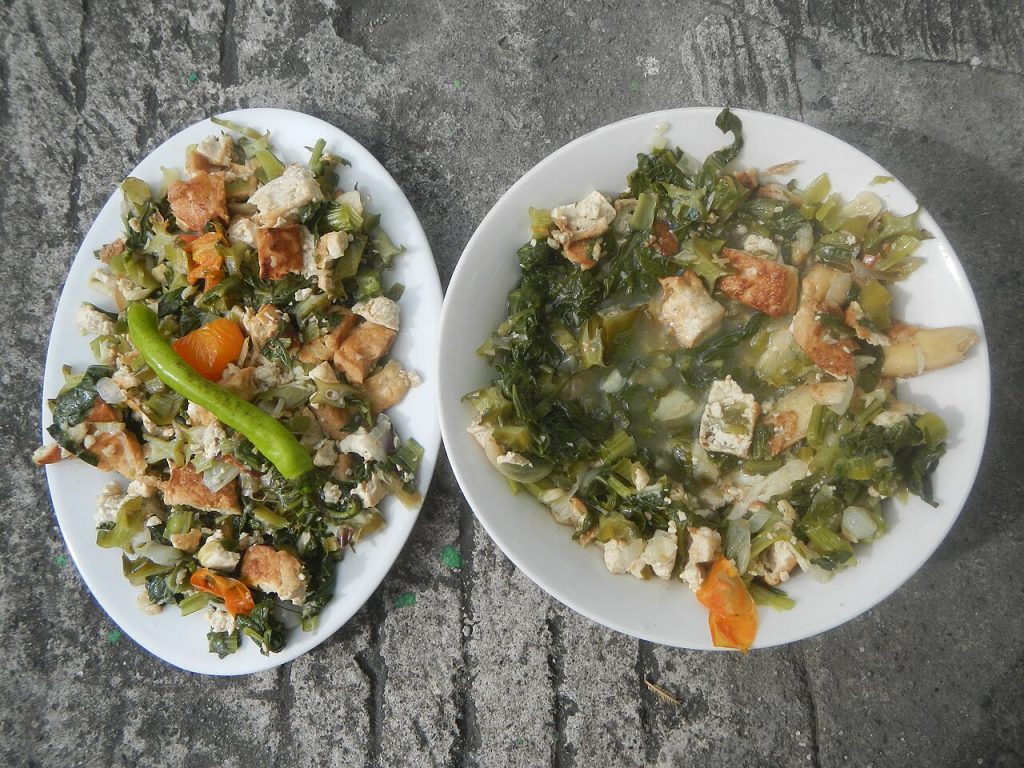
When prepared with fresh ingredients and mindful techniques, Chinese meals can be a powerhouse of nutrition. Here are three key advantages:
- Balanced Macros – A typical Chinese plate often includes a source of protein (poultry, seafood, tofu), complex carbs (rice, noodles), and a generous portion of vegetables, ensuring a balanced macro profile.
- Rich in Antioxidants – Vegetables such as bok choy, snow peas, and Chinese cabbage contain vitamins C and K, folate, and phytonutrients that support immune health and reduce oxidative stress.
- Mindful Portion Control – Many traditional dishes are served family‑style, encouraging sharing and naturally limiting overconsumption.
In addition, the use of ginger, garlic, and fermented products like soy sauce and miso adds umami while offering anti‑inflammatory benefits.
Iconic Chinese Dishes
1. Kung Pao Chicken
A Sichuan classic featuring diced chicken, peanuts, and dried chilies. The dish balances spicy heat, salty soy, and a hint of sweetness.
2. Mapo Tofu
Soft tofu in a savory sauce of fermented bean paste, ground pork, and Sichuan peppercorns. It’s both comforting and aromatic.
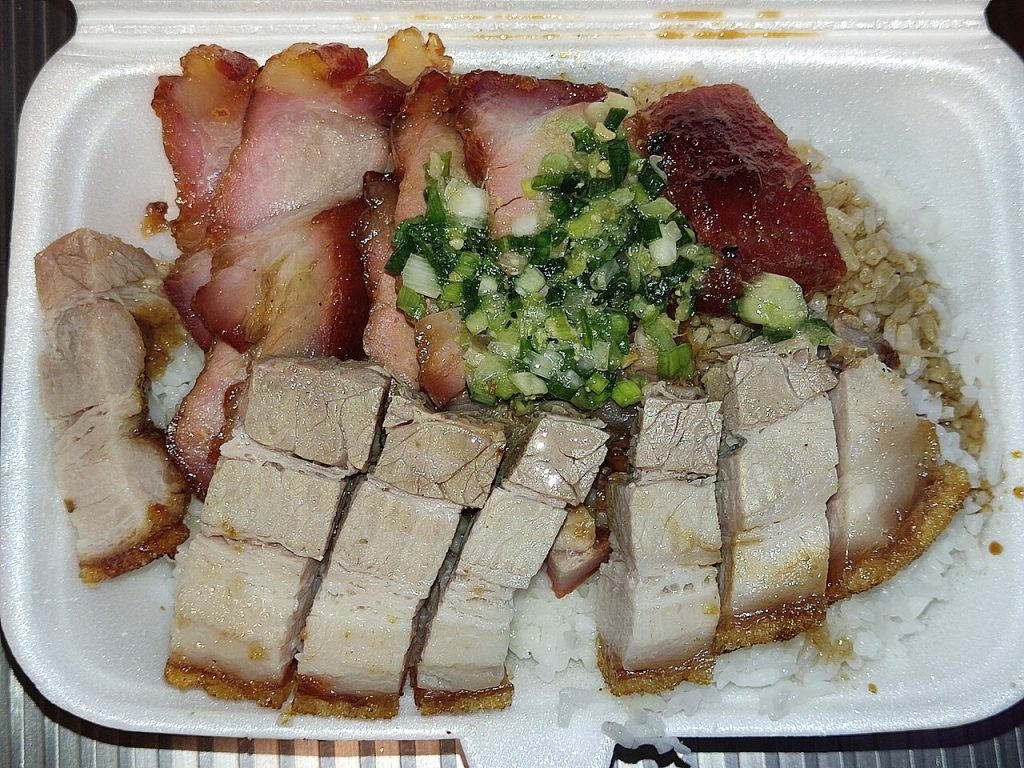
3. Peking Duck
Marinated duck roasted until the skin crisps, served with pancakes, scallions, and hoisin sauce. A celebratory dish that showcases meticulous preparation.
4. Hot Pot
A communal cooking experience where diners simmer thinly sliced meats, seafood, and greens in a flavorful broth at the table.
Practical Tips for a Healthier Plate
Even when dining out, you can make smarter choices that align with your wellness goals:
- Opt for steamed or stir‑fry methods rather than deep‑frying to reduce excess oil.
- Ask for sauces on the side so you can control the amount of sodium and sugar.
- Load up on greens – request an extra side of steamed bok choy or a mixed vegetable dish.
- Choose whole grains – select brown rice or whole‑wheat noodles when available.
When cooking at home, remember that the secret to a balanced meal lies in the harmony of flavors and the proportion of ingredients.
Home‑Cooking Ideas
Bringing Chinese flavors to your kitchen doesn’t require a professional kitchen. Try these approachable recipes:
- Quick Veggie Stir‑Fry – Toss broccoli, carrots, bell peppers, and tofu in a splash of low‑sodium soy sauce, sesame oil, and ginger. Serve over quinoa.
- Egg Drop Soup – Simmer chicken broth with a pinch of salt, then slowly pour beaten eggs while stirring for silky ribbons.
- Vegetable Dumplings – Mix finely chopped cabbage, mushrooms, and carrots with minced garlic. Wrap in thin dough and steam.
- Mapo Tofu (Vegetarian) – Replace ground pork with ground tempeh, keep the bean paste and Sichuan peppercorns for authenticity.
These dishes are quick to prepare, budget‑friendly, and can be adapted to suit dietary preferences.
Conclusion
Chinese cuisine offers a wealth of flavors that can also support a healthy lifestyle when approached thoughtfully. By understanding the benefits, selecting balanced dishes, and experimenting with simple home recipes, you can enjoy the rich culinary heritage of China without compromising nutrition. Whether you dine out or cook at home, the key is to savor the harmony of taste, texture, and wellness.