
Introduction
Thai food is renowned for its bold, balanced flavors that combine sweet, sour, salty, and spicy in a single bite. Whether you’re a seasoned chef or a beginner, the techniques and ingredients used in Thai cooking can inspire fresh, exciting meals every day. By mastering a few core principles—such as balancing taste, using fresh aromatics, and cooking quickly—you can turn ordinary ingredients into dishes that feel exotic and comforting all at once.
The Vibrant Palette of Thai Flavors
What makes Thai cuisine stand out is its mastery of harmony. A well‑executed dish often contains four or five flavor layers: the sweetness of palm sugar, the brightness of lime, the heat of chilies, the saltiness of fish sauce, and the herbal freshness of cilantro or basil. Understanding how these elements interact allows you to tweak recipes to suit your taste or to experiment with local ingredients.
Key Flavor Components
- Sweet: Palm sugar, cane sugar, or a splash of coconut milk.
- Sour: Lime juice, tamarind paste, or vinegar.
- Salty: Fish sauce, soy sauce, or anchovy paste.
- Spicy: Fresh red or green chilies, chili paste (nam prik).
- Herbal: Lemongrass, kaffir lime leaves, Thai basil, coriander.
Balancing these flavors is as much an art as it is a science; a pinch too much fish sauce can overpower the dish, while too many chilies can mask the subtle sweetness of the coconut milk. Practice by tasting as you go, adjusting gradually until the harmony feels right.
Quick Thai‑Inspired Meals
Thai cooking is known for its speed. Most dishes are prepared in under 30 minutes because ingredients are pre‑cut or cooked in a wok that heats up rapidly. This efficiency makes Thai cuisine perfect for busy weekdays without sacrificing taste.
1. One‑Pan Stir‑Fry with Tofu and Vegetables
Ingredients: firm tofu, bell pepper, carrots, snap peas, garlic, ginger, lime, fish sauce, sugar, chili flakes. Tip: Press the tofu to remove excess moisture so it crisps up nicely.
2. Coconut‑Rice Noodles with Shrimp
Ingredients: rice noodles, shrimp, coconut milk, lime, basil, roasted peanuts, bean sprouts. Tip: Toast the peanuts with a little sugar for an extra caramelized flavor.
3. Quick Tom Yum Soup
Ingredients: shrimp, mushrooms, lemongrass, kaffir lime leaves, fish sauce, lime juice, chilies. Tip: Simmer the broth for only 5 minutes to keep the aromatics bright.
These recipes showcase how readily available pantry staples can be transformed with a few Thai ingredients and quick techniques.
Ingredient Spotlight: Lemongrass
Lemongrass is a staple in Thai kitchens. Its citrusy, almost minty flavor brightens soups, curries, and marinades. Fresh lemongrass is best, but dried or powdered versions work in a pinch. To use, slice the tender stalks thinly or bruise the leaves with a knife to release the oils.
How to Store Lemongrass
Wrap the stalks in damp paper towels and store them in a sealed plastic bag in the refrigerator for up to a week. For longer storage, freeze in a zip‑lock bag; thaw before using.
Practical Tips for Home Cooks
Adopting Thai cooking at home doesn’t require exotic equipment. Here are some practical ways to make the experience easier:
- Use a good wok: A wide, flat wok allows for quick, even cooking and is ideal for stir‑fries.
- Prep ahead: Dice vegetables, measure sauces, and have aromatics ready before heating the pan.
- Adjust heat: Thai cooking uses high heat for quick searing; keep the flame on medium‑high and add liquid later to avoid steaming.
- Balance flavors: Taste as you cook. A pinch of fish sauce can replace salt, while lime juice can add acidity without extra sodium.
- Use local herbs: Thai basil can be swapped with sweet basil, and kaffir lime leaves can be replaced with regular lime zest.

Everyday Thai Inspiration: Meal Ideas
Here are three complete meal concepts that bring Thai flavor to breakfast, lunch, and dinner, all using ingredients you’ll find in a typical grocery store.
Breakfast: Thai‑Style Omelette with Fresh Herbs
Whisk eggs with a splash of fish sauce and chopped cilantro. Cook in a small pan until set, then fold over and serve with toasted rice crackers.
Lunch: Pad Thai with Tofu
Stir‑fry rice noodles with tofu, bean sprouts, and a sauce of tamarind paste, lime juice, and palm sugar. Top with crushed peanuts and a squeeze of lime.
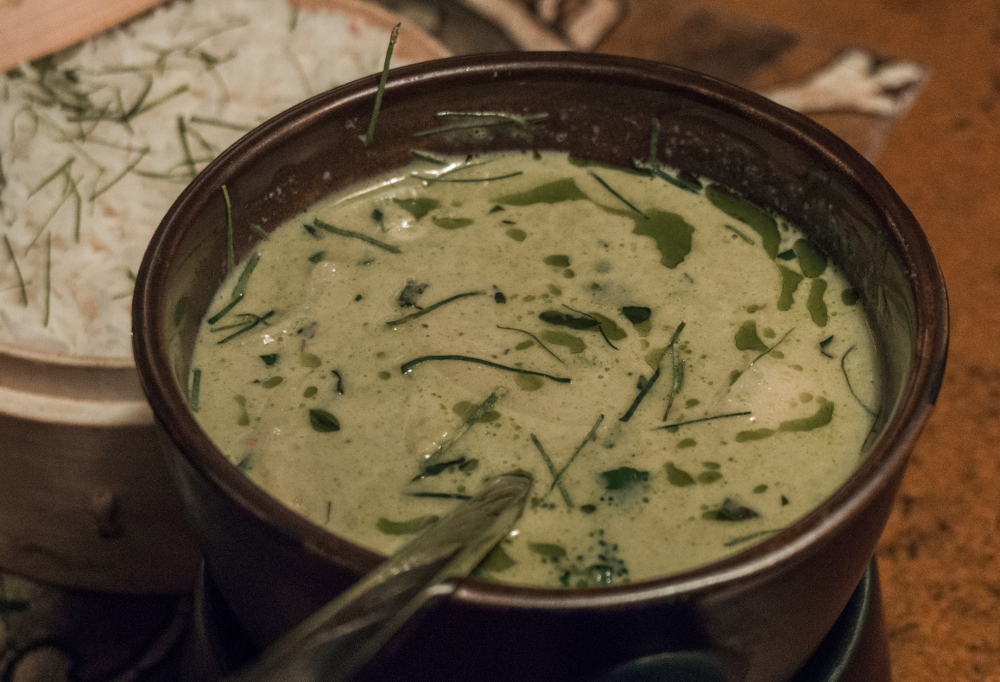
Dinner: Green Curry with Chicken
Sauté green curry paste in coconut oil, add chicken pieces, and simmer with coconut milk, bamboo shoots, and Thai basil. Serve over jasmine rice.
These dishes illustrate that Thai cuisine can fit seamlessly into any part of the day, offering bold flavor without demanding a lot of time or exotic ingredients.
Conclusion
Thai food’s allure lies in its vibrant taste balance, quick preparation, and the way it elevates simple ingredients. By learning a few essential techniques—like balancing sweet, sour, salty, and spicy, and mastering the use of aromatics such as lemongrass—you can bring a slice of Thai inspiration to everyday meals. Start with the recipes and tips above, experiment with local produce, and soon you’ll find that Thai cuisine becomes a natural part of your culinary routine, adding color, excitement, and depth to your home cooking.