
Introduction
Street food is more than quick bites on the go; it’s a living archive of cultures, traditions, and flavors. From the sizzling pans of Bangkok to the bustling stalls of New York’s food trucks, these humble offerings can inspire everyday cooking and broaden your culinary horizons. In this article, we’ll explore why street food matters, showcase examples from around the world, and give you practical ways to bring that street‑savvy flavor into your own kitchen.
Why Street Food Inspires
Street food thrives on a few key principles that make it a powerful source of inspiration:
- Accessibility: Ingredients are often seasonal, local, and inexpensive.
- Innovation: Vendors experiment constantly to stand out.
- Community: Food is shared, celebrated, and passed down orally.
- Authenticity: Recipes are rooted in history and local palate.
These elements combine to create dishes that are both simple and memorable—an ideal combination for home cooks looking to elevate their everyday meals.
Street Food Around the World
Below are three iconic street foods that exemplify the diversity and creativity found on global sidewalks. Each offers a distinct flavor profile and a story worth sharing.
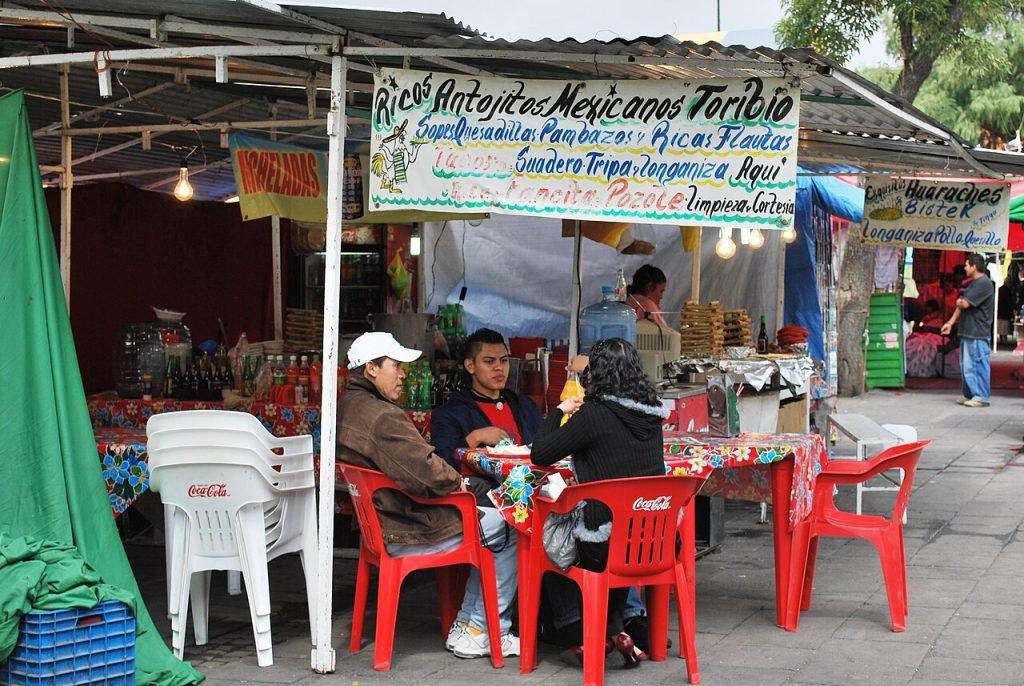
Mexican Tacos al Pastor
Originating in Mexico City, tacos al pastor are marinated pork slices grilled on a vertical spit, sliced thin, and served on corn tortillas with pineapple, onions, and cilantro. The smoky, sweet, and slightly spicy notes make it a perfect example of how simple ingredients can create complex flavors.

Chinese Baozi (Steamed Buns)
Baozi are soft, fluffy buns filled with savory pork, mushroom, or sweet red bean. The dough’s lightness contrasts with the rich filling, showcasing the harmony between texture and taste that street vendors master every day.
Ethiopian Injera with Doro Wat
Injera is a fermented flatbread with a unique spongy texture, served with spicy chicken stew (doro wat). The combination of sour, spicy, and hearty elements offers a balanced, communal eating experience.
How to Bring Street Food Home
Recreating street food at home doesn’t require a professional kitchen—just a few key techniques and a willingness to experiment.
- Use fresh, local produce: Many street dishes rely on the freshness of ingredients. Visit farmers’ markets to find the best options.
- Master basic techniques: Grilling, steaming, and quick sautéing are core skills that translate across cuisines.
- Balance flavors: Think sweet, salty, sour, and umami. Add a touch of each to mimic the depth of street dishes.
- Keep it simple: Street food often thrives on minimalism. Don’t overload your plate with too many components.
Practical Tips for Everyday Street Food Cooking
- Plan ahead: Pick one dish to experiment with each week.
- Use pantry staples: Stock your pantry with items like soy sauce, fish sauce, and tamarind paste for quick flavor boosts.
- Repurpose leftovers: Many street foods can be turned into salads, wraps, or soups.
- Invite friends: Share the cooking process; it’s a great way to learn and enjoy the food together.
Conclusion
Street food is a treasure trove of ideas—simple yet powerful, rooted in culture yet universally appealing. By observing the techniques, flavors, and stories behind these dishes, you can infuse your everyday meals with the same vibrancy and authenticity. Start small, experiment boldly, and let the streets of the world guide your culinary journey.