
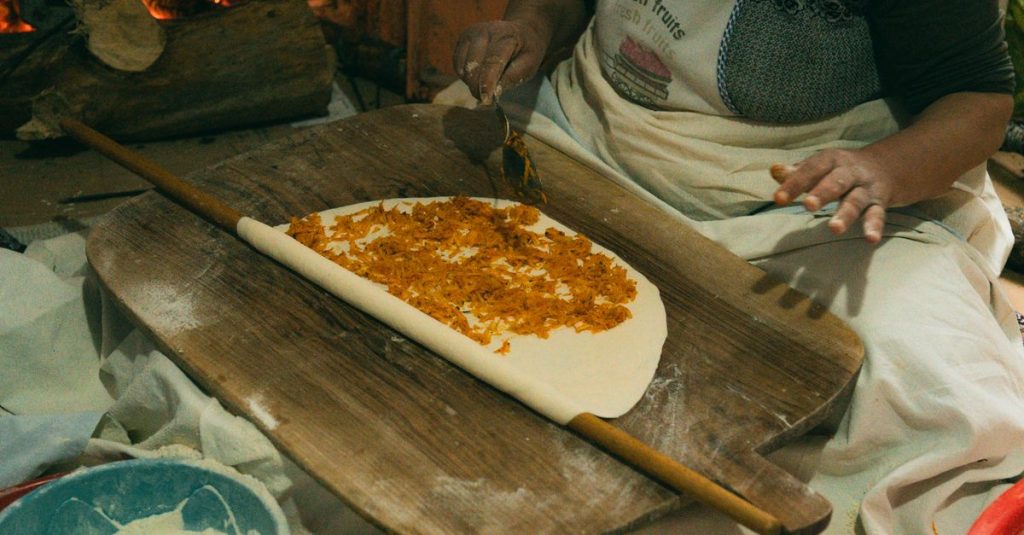
A Taste of Heritage: Exploring the Magic of Traditional Food at Home
There is a profound connection between what we eat and who we are. Across the globe, traditional foods tell the stories of landscapes, climate, history, and family gatherings. While modern convenience foods dominate our fast-paced lives, returning to authentic traditional recipes offers a grounding culinary experience that connects us to generations past.
Whether it is the slow-simmered aromas of a Sunday roast or the fiery, complex layers of an authentic curry, traditional dishes rely on technique, heritage ingredients, and patience. In this guide, we are exploring one of the world’s most beloved traditional comfort foods: classic Greek Moussaka. We will break down its cultural origins, explore how to make it in a standard home kitchen, and share the tips you need to master it.
What is Traditional Food and Why Does It Matter?
Traditional foods are dishes passed down through families or communities over generations. They typically utilize locally available, seasonal ingredients and specific preparation methods native to a particular region or culture. Making these dishes at home keeps culinary heritage alive while delivering deep, authentic flavors that processed convenience foods simply cannot replicate.
Spotlight: Classic Greek Moussaka
Moussaka is the undisputed crown jewel of Greek comfort food. It is a rich, layered casserole that combines tender pan-fried or roasted eggplant and potatoes, a deeply savory minced lamb or beef tomato sauce, and a velvety, nutmeg-scented béchamel topping.
Country and Cultural Background
While variations of moussaka exist across the Middle East and the Balkans, the Greek version was famously codified in the early 20th century by the iconic Greek chef Nikolaos Tselementes. He added the French-influenced béchamel sauce to the traditional spiced meat and eggplant base, creating the rich, golden-topped casserole enjoyed in tavernas throughout Greece today.
Recipe: Authentic Greek Moussaka
This recipe is tailored for a standard home kitchen, using accessible ingredients while staying true to traditional flavor profiles.
- Prep time: 45 minutes
- Cook time: 1 hour 15 minutes
- Servings: 6 to 8
Ingredients
For the Vegetables:
- 3 medium eggplants, cut into 1/3-inch thick lengthwise slices
- 2 medium russet potatoes, peeled and sliced 1/4-inch thick
- Olive oil for brushing and frying
- Salt, to taste
For the Meat Sauce:
- 1.5 lbs (700g) ground lamb or ground beef (80/20 fat ratio recommended)
- 1 large yellow onion, finely chopped
- 3 cloves garlic, minced
- 1 can (14 oz) crushed or diced tomatoes
- 2 tbsp tomato paste
- 1/2 cup dry red wine
- 1 cinnamon stick
- 2 bay leaves
- 1 tsp dried oregano
- Salt and freshly ground black pepper, to taste
- 2 tbsp olive oil
For the Béchamel Sauce:
- 1/2 cup (1 stick) unsalted butter
- 1/2 cup all-purpose flour
- 4 cups whole milk, warmed
- 1/4 tsp ground nutmeg
- 1 cup grated kefalotyri or Parmesan cheese (divided)
- 2 large egg yolks, lightly beaten
- Salt and white pepper, to taste
Step-by-Step Instructions
Step 1: Prepare and Cook the Vegetables
- Preheat your oven to 400°F (200°C). Line two baking sheets with parchment paper.
- Arrange the eggplant and potato slices on the sheets. Brush generously with olive oil and season with salt.
- Roast for 25–30 minutes until tender and lightly browned, flipping halfway through. (Alternatively, you can pan-fry them in batches in olive oil). Set aside.
Step 2: Make the Meat Sauce
- Heat 2 tablespoons of olive oil in a large skillet or Dutch oven over medium heat. Add the chopped onion and cook until soft and translucent (about 5 minutes).
- Add the minced garlic and ground meat. Cook, breaking up the meat with a wooden spoon, until browned.
- Stir in the tomato paste, cooking for 1 minute. Deglaze the pan with the red wine, scraping up any browned bits, and let it simmer until reduced by half.
- Add the crushed tomatoes, cinnamon stick, bay leaves, oregano, salt, and pepper. Reduce heat to low, cover, and simmer for 30 minutes until thick and rich. Remove the cinnamon stick and bay leaves.
Step 3: Make the Béchamel Sauce
- Melt the butter in a medium saucepan over medium heat. Whisk in the flour and cook for 1–2 minutes, stirring constantly to make a blonde roux.
- Gradually pour in the warm milk, whisking vigorously to prevent lumps. Continue cooking, stirring frequently, until the sauce thickens enough to coat the back of a spoon.
- Remove from heat. Stir in the nutmeg, half of the grated cheese, salt, and white pepper.
- Allow the sauce to cool for 5 minutes, then vigorously whisk in the egg yolks to enrich the mixture without scrambling them.
Step 4: Assemble and Bake
- Preheat your oven to 375°F (190°C). Lightly grease a 9×13-inch baking dish.
- Layer the bottom of the dish with the cooked potato slices, overlapping slightly.
- Arrange a layer of eggplant slices directly over the potatoes.
- Spread the meat sauce evenly over the vegetables.
- Pour the rich béchamel sauce smoothly over the top layer, ensuring it reaches the edges. Sprinkle the remaining cheese evenly across the top.
- Bake for 45–50 minutes until the top is deeply golden brown and bubbling.
- Crucial step: Let the moussaka rest at room temperature for at least 30 to 45 minutes before slicing. This allows the layers to set so you can serve clean squares.
Cooking Tips and Tricks
- Don’t skip the rest: Cutting moussaka straight out of the oven will cause the slices to collapse into a delicious soup. Patience yields neat, professional-looking squares.
- Temper your eggs: When adding the egg yolks to the béchamel, ensure the pot has been removed from direct heat for a few minutes so the eggs do not curdle.
- Eggplant preparation: If using a bitter variety of eggplant, salt the slices and let them sit for 30 minutes, then pat dry with paper towels before roasting. Modern varieties rarely require this step, but it helps reduce excess moisture.
Substitutions and Dietary Adaptations
- Meat-Free: Replace the ground meat with cooked lentils or finely chopped mushrooms combined with walnuts for a deeply savory vegetarian texture.
- Gluten-Free: Use a 1:1 gluten-free flour blend for the béchamel sauce, ensuring it thickens properly.
- Dairy-Free/Vegan: Use plant-based milk, vegan butter, and a dairy-free cheese alternative, thickening the béchamel with cornstarch instead of eggs.
- Potatoes: Some regional recipes omit potatoes entirely and rely solely on an all-eggplant base. Feel free to adjust based on preference.
Common Mistakes to Avoid
- Watery layers: Failing to roast or bake the eggplant thoroughly beforehand will release excess water into the casserole, making the final dish soggy.
- Rushing the béchamel: Adding cold milk all at once to the butter-flour roux creates stubborn lumps. Use warm milk and pour it in a slow, steady stream while whisking.
- Skipping the cinnamon: Ground cinnamon is a hallmark of Greek savory cooking. Do not omit it; it adds a subtle warmth that defines authentic moussaka flavor.
Serving Suggestions
Serve warm squares of moussaka alongside a crisp Greek horiatiki salad (tomatoes, cucumbers, red onions, Kalamata olives, and feta cheese dressed in extra virgin olive oil and oregano) and a loaf of crusty rustic bread to soak up the savory juices.
Variations Around the World
While Greece pairs eggplant with a rich béchamel, Levantine variations (such as Lebanese *musa’a*a*) are often made with chickpeas and tomatoes served warm or cold without dairy. Turkish *müsakka* features sliced eggplants pan-fried and simmered in minced meat sauce without any white sauce topping.
Frequently Asked Questions
Can I make moussaka ahead of time?
Yes! Moussaka actually tastes better the next day as the flavors meld. You can assemble the entire casserole a day in advance, cover it tightly, and store it in the refrigerator. Bake it straight from the fridge, adding 10–15 minutes to the total baking time.
Can I freeze baked moussaka?
Baked moussaka freezes reasonably well for up to 2 months. Let it cool completely, cut it into individual portions, and wrap them tightly. Thaw overnight in the refrigerator and reheat in the oven before serving. Note that texture can change slightly upon thawing due to the dairy in the béchamel.
Do I need to peel the eggplants?
It is not necessary to peel standard globe eggplants. Leaving the skin on helps the slices hold their shape during cooking and provides a lovely purple rim to the layered casserole. However, if the skin is particularly tough or thick, you can peel alternating strips.
Why is my béchamel sauce lumpy?
Lumps happen when cold liquid meets hot roux too quickly, or if the whisking wasn’t vigorous enough. If lumps form, simply remove the pan from the heat and blend the sauce with an immersion blender, or pass it through a fine-mesh sieve for a silky-smooth finish.
Conclusion
Traditional foods like Greek Moussaka remind us that great cooking is an act of love and patience. By taking the time to roast the vegetables, simmer the fragrant meat sauce, and whisk a scratch-made béchamel, you bring authentic global culture directly into your home kitchen. Gather your family, slice up a generous portion, and enjoy a meal rooted in rich culinary history.