
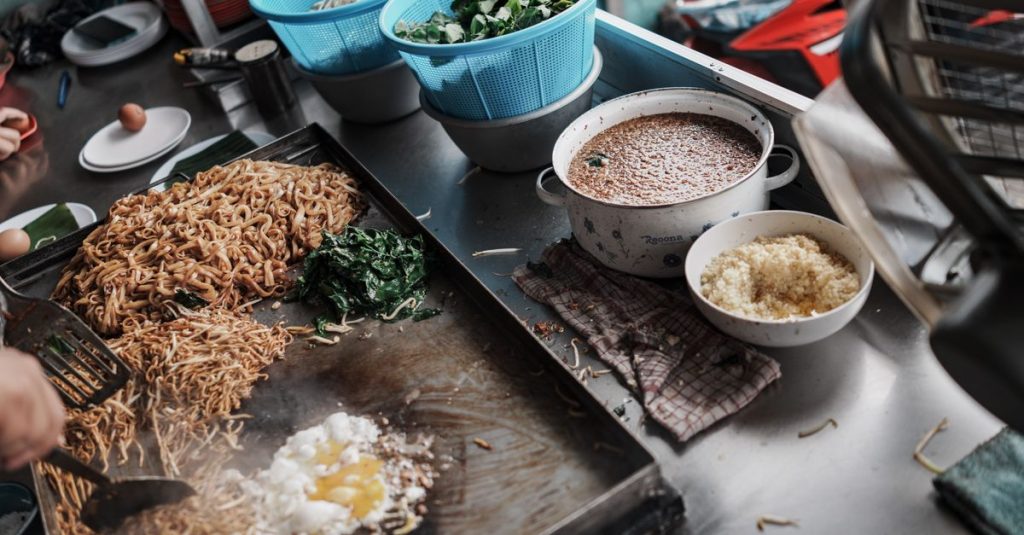
A Culinary Journey Through Indonesia: Flavors, Culture, and a Classic Recipe
Spanning over seventeen thousand islands, Indonesia boasts one of the most vibrant, diverse, and flavorful culinary traditions in the world. Indonesian food is a masterclass in balance—combining the heat of fresh chilies, the deep umami of shrimp paste, the richness of coconut milk, and the bright acidity of lime. Whether you are wandering the bustling food stalls of Java, sampling the spice-laden dishes of Sumatra, or enjoying the fragrant, lemongrass-infused cuisine of Bali, every meal tells a story of trade, history, and local ingenuity.
Today, we are exploring the heart of Indonesian comfort food by diving into the rich cultural background of its cuisine and providing a reliable, step-by-step recipe for Authentic Indonesian Chicken Satay (Sate Ayam) with Peanut Sauce that you can easily recreate in your home kitchen.
What is Indonesian Food?
Indonesian cuisine is not a monolith; rather, it is a vast collection of regional styles influenced by indigenous traditions, Indian spices, Chinese cooking techniques, Middle Eastern trade, and Dutch colonization. A fundamental element of many Indonesian meals is bumbu—a freshly ground spice paste made from ingredients like shallots, garlic, ginger, galangal, candlenuts, and chilies. These aromatics are sautéed to form the flavor base for countless stews, soups, and marinades.
Rice sits at the center of the Indonesian table, usually accompanied by various proteins, vegetables, pickles, and sambal (chili paste). Among the nation’s most popular culinary exports is satay—skewered and grilled meats served with a rich, savory peanut sauce. While variations exist across the archipelago, the combination of smoky grilled chicken and creamy, sweet-savory peanut sauce remains universally beloved.
Cultural Background of Sate Ayam
Satay (or *sate* in Indonesian) is widely considered the national dish of Indonesia. Its origins are deeply rooted in the street food culture of Java, where street vendors (*tukang sate*) historically carried portable grills through neighborhoods, fanning the coals to create irresistible clouds of fragrant smoke.
The dish was heavily influenced by Indian street food traders who introduced skewered meats to the region centuries ago. However, Indonesians made it their own by incorporating local ingredients, most notably sweet soy sauce (*kecap manis*) and peanuts—a crop introduced to Southeast Asia by Portuguese and Spanish traders in the 16th century. Today, sate ayam is enjoyed everywhere from high-end restaurants to humble roadside carts (*warungs*).
Recipe: Authentic Indonesian Chicken Satay with Peanut Sauce
Make this classic street food favorite at home using standard grocery store ingredients. The secret lies in a quick marinade that infuses the chicken with flavor before it hits a hot grill or skillet.
Ingredients
For the Chicken Satay:
- 1.5 lbs (700g) boneless, skinless chicken thighs, cut into bite-sized strips
- 15-20 wooden skewers (soaked in water for 30 minutes to prevent burning)
For the Chicken Marinade:
- 3 tablespoons sweet soy sauce (*kecap manis*)
- 1 tablespoon vegetable oil
- 2 cloves garlic, finely minced
- 1 teaspoon fresh ginger, grated
- 1 teaspoon ground coriander
- 1/2 teaspoon salt
For the Peanut Sauce:
- 1 cup natural, smooth peanut butter
- 1 can (13.5 oz) coconut milk
- 2 tablespoons sweet soy sauce (*kecap manis*)
- 1 tablespoon lime juice
- 2 cloves garlic, minced
- 1 small shallot, finely minced
- 1 teaspoon red chili flakes or 1 fresh red chili, minced (adjust to taste)
- 1 tablespoon vegetable oil
- 1/2 cup water (as needed to thin)
- Salt to taste
Step-by-Step Instructions
- Marinate the Chicken: In a mixing bowl, combine the sweet soy sauce, vegetable oil, minced garlic, grated ginger, ground coriander, and salt. Add the chicken strips, tossing well to ensure every piece is coated. Cover and refrigerate for at least 30 minutes (or up to 4 hours for deeper flavor).
- Thread the Skewers: Thread 3 to 4 pieces of marinated chicken tightly onto each soaked wooden skewer. Do not overcrowd too tightly, but ensure the meat won’t slip off while turning.
- Make the Peanut Sauce: Heat 1 tablespoon of vegetable oil in a medium saucepan over medium heat. Sauté the minced shallot and garlic until fragrant and translucent (about 2 minutes).
- Simmer the Sauce: Pour in the coconut milk, peanut butter, sweet soy sauce, and chili. Whisk continuously until the mixture is smooth. Bring to a gentle simmer, then reduce heat to low. Let it cook for 5 to 8 minutes, stirring frequently so it doesn’t burn on the bottom. If the sauce becomes too thick, whisk in a splash of water.
- Finish the Sauce: Stir in the lime juice and season with salt to taste. Turn off the heat and set aside. (Reserve half of the sauce for dipping and use the other half for basting if desired).
- Cook the Satay: Preheat an outdoor grill, indoor grill pan, or cast-iron skillet over medium-high heat and lightly oil the grates. Cook the skewers for 3 to 5 minutes per side, turning occasionally, until the chicken is slightly charred on the edges and cooked through (internal temperature of 165°F / 74°C).
- Serve: Arrange the hot chicken skewers on a platter, drizzle with a little peanut sauce, and serve the remaining sauce on the side.
Cooking Tips and Tricks
- Soak Your Skewers: Always soak wooden skewers in water for at least 30 minutes before grilling to prevent them from catching fire over high heat.
- Cut Uniform Pieces: Slice your chicken thighs into even, bite-sized strips so they cook at the exact same rate on the grill.
- Control the Heat: Chicken thighs are forgiving and stay juicy, but keep your grill at medium-high so you get a nice char without burning the sweet marinade.
Substitutions
- Protein: If you prefer red meat or seafood, you can easily substitute chicken with beef sirloin, pork shoulder, or firm tofu cubes.
- Sweet Soy Sauce (*Kecap Manis*): If you cannot find *kecap manis* at your local Asian market, mix regular soy sauce with brown sugar or molasses in a 1:1 ratio until thick and sweet.
- Peanut Butter: Use natural, unsweetened creamy peanut butter for the most authentic flavor profile. Avoid crunchy styles for the traditional smooth texture.
Common Mistakes to Avoid
- Skipping the Marinade Time: Don’t rush the marinating process. Even 30 minutes helps the chicken absorb the savory-sweet aromatics.
- Burning the Peanut Sauce: Peanut sauce contains sugars and fats that burn easily. Keep the heat on low once the peanut butter is added and stir constantly.
- Using Chicken Breast Exclusively: Chicken breast can dry out quickly over direct heat. Thigh meat yields a much juicier, more traditional satay.
Serving Suggestions
Serve your chicken satay hot alongside traditional Indonesian accompaniments:
- Steamed jasmine rice or compressed rice cakes (*lontong*).
- Fresh cucumber and shallot slices for a refreshing crunch.
- A spoonful of spicy sambal oelek for those who enjoy extra heat.
- A sprinkle of fried shallots (*goreng bawang*) on top of the peanut sauce.
Variations
- Sate Padang: A version from West Sumatra featuring beef tongue or meat served in a thick, yellowish curry-like sauce thickened with rice flour.
- Sate Madura: The most famous style featuring chicken served with a dark, sweet peanut sauce heavily laced with shallots and lime.
- Vegetarian Satay: Swap the meat for firm tofu, tempeh, or button mushrooms marinated in the same sweet soy blend.
Frequently Asked Questions (FAQ)
1. Is Indonesian food very spicy?
While many Indonesian dishes feature chili-based *sambal*, the cuisine as a whole balances many flavor profiles—including sweet, sour, salty, and bitter. You can easily control the spice level in home cooking by reducing or omitting fresh chilies.
2. Where can I buy *kecap manis*?
Kecap manis is widely available in Asian grocery stores, in the international aisle of many major supermarkets, or online. It is a thick, sweet Indonesian soy sauce essential for authentic flavor.
3. Can I make the peanut sauce ahead of time?
Yes! The peanut sauce can be made up to 3 days in advance and stored in an airtight container in the refrigerator. Reheat it gently on the stovetop with a splash of warm water to loosen it up before serving.
4. Can I cook satay in the oven?
Absolutely. Preheat your oven’s broiler to high. Place the assembled skewers on a wire rack set over a foil-lined baking sheet. Broil for 4 to 5 minutes per side until nicely browned and cooked through.
Conclusion
Exploring Indonesian cuisine opens up a world of bold aromas, comforting textures, and harmonious flavors. This easy homemade chicken satay with creamy peanut sauce is a fantastic entry point into Southeast Asian cooking, bringing authentic street food magic straight to your dinner table. Gather your ingredients, fire up the grill, and enjoy a taste of Indonesia tonight!