
Thai food is celebrated for its harmonious blend of sweet, sour, salty, and spicy notes. Whether you’re a kitchen novice or a seasoned foodie, this guide will equip you with the knowledge and confidence to explore Thailand’s culinary treasures.
What Makes Thai Food Unique
Thai cuisine relies on fresh herbs, aromatic spices, and a balance of flavors that create depth in every bite. The hallmark is the balance of taste elements, achieved through careful layering of ingredients like lemongrass, galangal, and fish sauce. The use of coconut milk, chilies, and lime juice gives dishes their signature brightness and heat.
In addition to flavor, Thai cooking emphasizes quick, high‑heat techniques such as stir‑frying and sautéing, allowing vegetables to stay crisp and proteins to remain tender. This approach preserves nutrients and delivers vibrant textures.
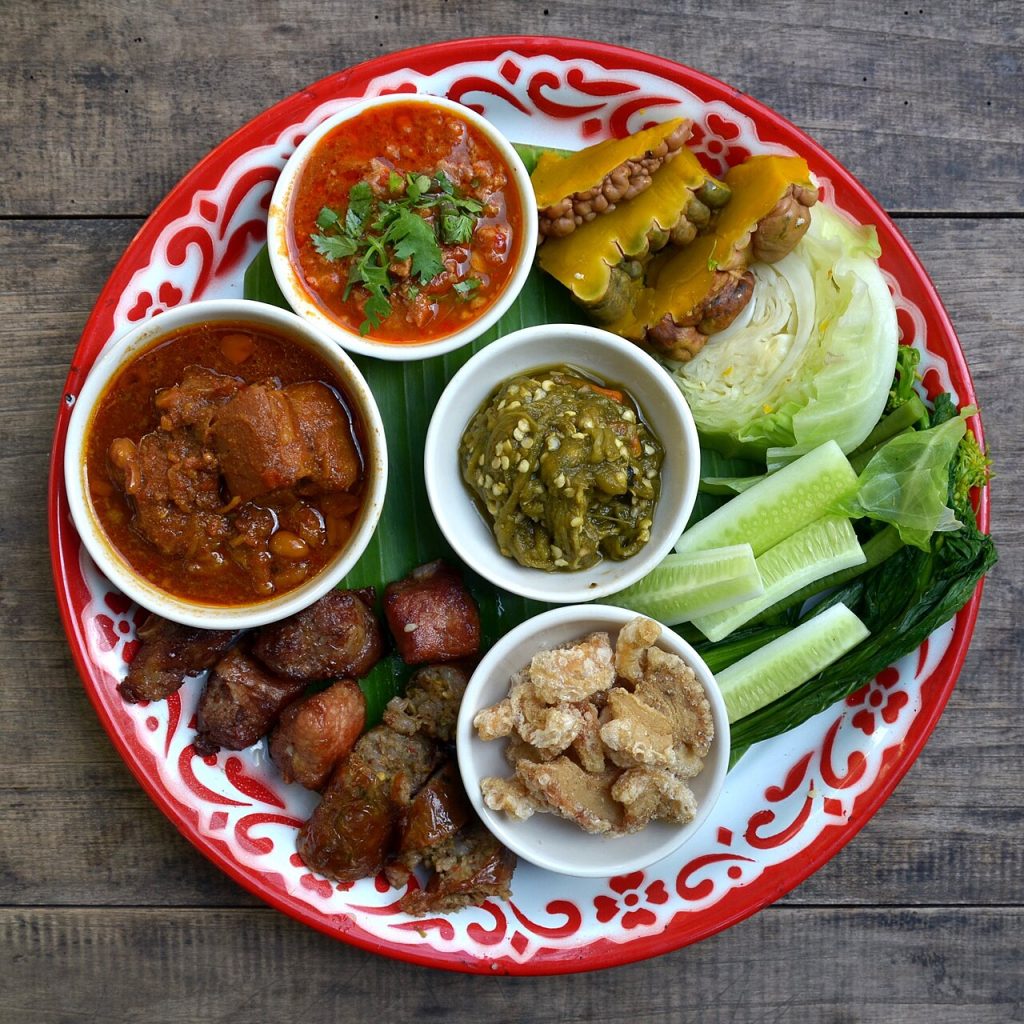
Must‑Try Signature Dishes
Start your culinary journey with these iconic dishes that showcase the core elements of Thai cooking:
- Pad Thai – Stir‑fried rice noodles with tamarind, peanuts, and a splash of lime.
- Tom Yum Goong – Spicy and sour shrimp soup flavored with lemongrass, kaffir lime leaves, and galangal.
- Green Curry – A fragrant coconut milk curry with green chilies, basil, and your choice of protein.
- Som Tum – A fiery papaya salad combining lime juice, fish sauce, and crushed peanuts.
- Massaman Curry – A mild, nutty curry that blends Thai and Indian spices.
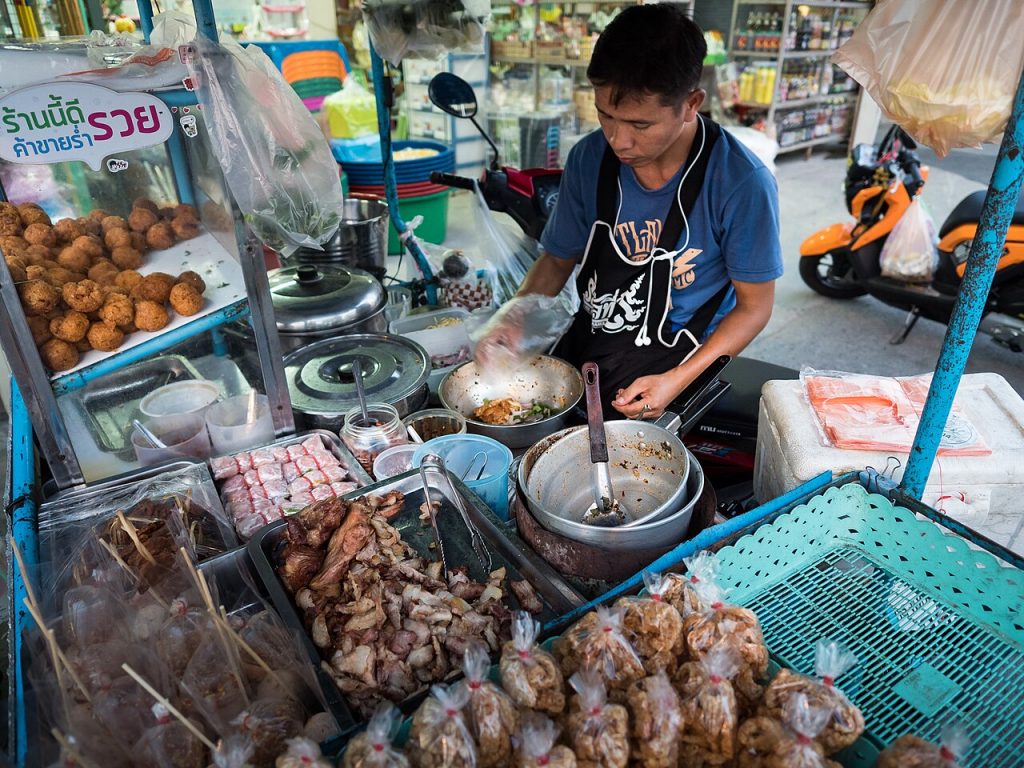
Essential Ingredients & Spices
Mastering Thai cuisine begins with stocking a pantry of key ingredients:
- Fish Sauce (Nam Pla) – The backbone of savory depth.
- Rice Vinegar – Adds subtle acidity.
- Palm Sugar – Sweetens sauces without overpowering.
- Fresh Herbs – Cilantro, Thai basil, mint, and kaffir lime leaves.
- Spices – Chili paste, lemongrass, galangal, and turmeric.
- Coconut Milk – Provides creaminess for curries.
These staples allow you to create authentic sauces like nam prik (chili paste) and pad see ew (stir‑fried wide noodles) with confidence.
Cooking Basics for Beginners
Follow these steps to keep your Thai dishes balanced and flavorful:
- Prep in advance: Chop all vegetables and marinate proteins before heating the pan to avoid overcrowding.
- Use a wok or wide skillet: High heat and quick movement are essential for authentic textures.
- Add aromatics first: Lemongrass, garlic, and shallots release maximum flavor when sautéed briefly.
- Layer flavors: Start with the base sauce, then add proteins, followed by vegetables, and finish with fresh herbs and a squeeze of lime.
- Adjust seasoning: Taste as you go; add fish sauce for saltiness, palm sugar for sweetness, and lime juice for brightness.
Practical Tips for Authentic Flavor
To elevate your home cooking:
- Use fresh chilies: For heat, slice chilies and stir them into the oil early. For a milder version, remove seeds.
- Cook rice separately: Jasmine rice or sticky rice pairs best with curries; cook it to perfection before serving.
- Practice the “quick fry” technique: Keep the wok hot and toss ingredients rapidly to retain color and crunch.
- Experiment with fish sauce ratios: A little goes a long way; start with a teaspoon and adjust.
- Finish with fresh herbs: Add basil or cilantro right before plating for aroma and freshness.
Where to Eat Thai Food in Your City
Once you’ve mastered a few dishes, try local Thai restaurants to taste regional variations. Look for places that serve traditional dishes like khao pad (fried rice), pad see ew, and mango sticky rice. Many establishments source fresh herbs and spices directly from Thai markets, ensuring authentic flavor profiles.
Happy cooking and enjoy the journey into Thai cuisine!