
Introduction
Japanese food is celebrated worldwide for its delicate flavors, meticulous presentation, and emphasis on seasonal ingredients. Whether you’re craving sushi, ramen, or a comforting bowl of miso soup, the culinary landscape offers something for every palate. This guide breaks down the essentials of Japanese cuisine, helping you navigate menus, understand flavor profiles, and enjoy your first Japanese dining experience with confidence.
What Makes Japanese Food Unique
Japanese cooking is built on a few core principles that set it apart from other culinary traditions:
- Seasonality (Shun): Ingredients are chosen based on the time of year, ensuring freshness and peak flavor.
- Balance (Umami, Sweet, Sour, Bitter, Salty): Meals aim for a harmonious blend of tastes, often highlighted by the savory depth of kombu or bonito flakes.
- Minimalism: Rather than masking flavors with heavy sauces, Japanese dishes let the natural taste of each component shine.
- Presentation: A dish’s visual appeal is as important as its taste; careful plating reflects respect for both food and guest.
Core Staples Every Beginner Should Know
Before diving into specific dishes, familiarize yourself with these staple ingredients that appear across menus:
- Rice (Shari): Short‑grained, sticky rice is the foundation of many meals, from sushi to onigiri.
- Seaweed (Nori, Kombu): Used for sushi sheets, flavoring broths, and adding texture.
- Soy Sauce (Shoyu): A versatile condiment that can be sweet or salty, often paired with mirin for glaze.
- Miso: Fermented soybean paste that ranges from light (white) to dark (red), essential for soups.
- Rice Vinegar: Adds acidity to sushi rice and pickled vegetables.
- Wasabi & Pickled Ginger: Complement sushi and sashimi by cutting through richness.
- Tempura Batter: Light, airy coating for seafood or vegetables, typically served with a dipping sauce.
Must‑Try Classic Dishes
Sushi & Sashimi
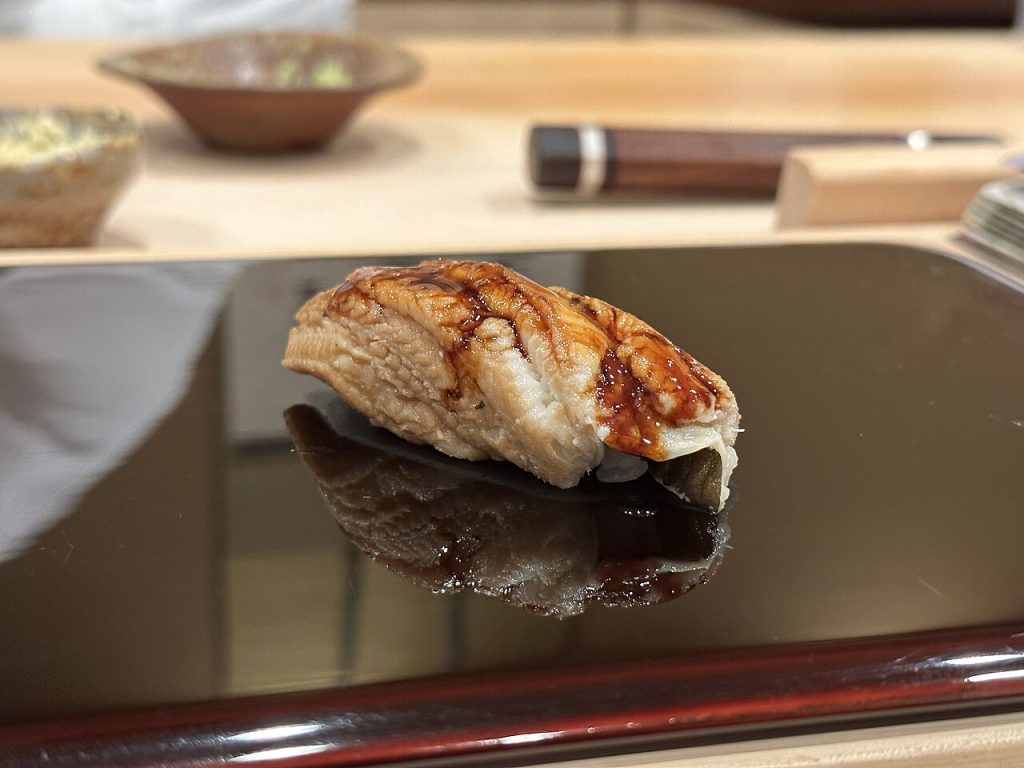
Sushi comes in many forms—nigiri, maki, and temaki—but the key is quality fish and properly seasoned rice. Sashimi, thinly sliced raw fish, showcases the freshness of the catch.
Ramen
Ramen is a noodle soup that varies by region and broth type. Common broths include shoyu (soy), miso, tonkotsu (pork bone), and shio (salt). Toppings often feature chashu pork, boiled egg, bamboo shoots, and nori.
Tempura
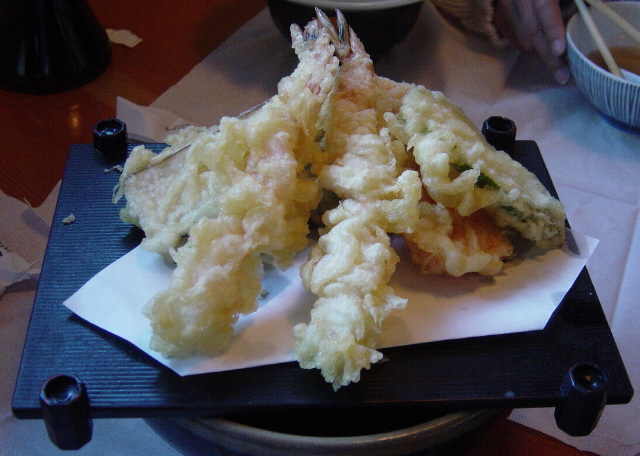
Lightly battered shrimp, squid, or seasonal vegetables, tempura is served with a chilled dipping sauce made from dashi, mirin, and soy sauce.
Yakitori
Skewered chicken pieces grilled over charcoal and brushed with tare sauce—a sweet, savory glaze made from soy sauce, mirin, and sugar.
Miso Soup
A comforting broth made from dashi and miso, often containing tofu, seaweed, and scallions. It’s a staple starter or side in many Japanese meals.
Practical Tips for Exploring Japanese Cuisine
- Start with Sushi Bars: Look for places that offer a tobiko or ikura menu—these are beginner-friendly and showcase fresh fish.
- Use Your Hands: While chopsticks are traditional, many diners find it easier to dip sushi rice in soy sauce with their fingers.
- Order a Set Menu: Many restaurants offer a teishoku (set meal) that balances rice, protein, and side dishes, giving you a rounded taste of Japanese flavors.
- Respect Table Etiquette: Keep your voice low, avoid pouring drinks for others, and finish the rice on your plate to show appreciation.
- Explore Seasonal Specials: Ask the server about shun dishes—these highlight the freshest produce of the season.
Conclusion
Japanese cuisine offers a journey of taste, texture, and tradition. By understanding its core ingredients, familiarizing yourself with iconic dishes, and following a few dining etiquette tips, you’ll be well on your way to enjoying authentic Japanese food with confidence. Whether you’re a home cook experimenting with sushi rice or a traveler seeking the perfect ramen bowl, this guide provides the foundation you need to explore the rich flavors of Japan.