Introduction
Indonesia is a culinary treasure trove, boasting more than 17,000 islands and a tapestry of cultures that translate into a diverse food scene. Whether you’re dining out in Jakarta, sampling street food in Surabaya, or cooking at home, understanding the basics of Indonesian cuisine can elevate your experience and help you appreciate the depth of flavors that define this Southeast Asian paradise.
Regional Flavors and Culinary Identity
Indonesian cuisine is far from monolithic; each region brings its own signature ingredients and cooking styles. Here’s a quick snapshot of the major culinary zones:
- Java: Rich, coconut‑based curries and savory nasi goreng (fried rice) dominate the island’s palate.
- Sumatra: Known for bold, spicy dishes like rendang and pepes, often featuring lemongrass, galangal, and chilies.
- Bali: A blend of sweet, spicy, and aromatic flavors, with dishes such as babi guling (roasted suckling pig) and lawar.
- Sulawesi: Emphasizes seafood, with distinctive preparations like coto Makassar (beef soup).
- Maluku & Papua: Fresh fish and tropical fruits, often cooked with minimal spices to showcase natural flavors.
Key Ingredients That Define Indonesian Taste
Familiarizing yourself with staple ingredients will help you navigate menus and cook authentic dishes:
- Coconut milk (santan) – Adds creaminess and depth.
- Galangal – Earthy, peppery root that replaces ginger in many recipes.
- Turmeric – Provides golden color and subtle bitterness.
- Shredded lemongrass – Citrus aroma, often used in broths.
- Bird’s eye chilies – Small, fiery peppers for heat.
- Balado paste – A spicy, tomato‑based sauce common in West Java.
- Tempeh & tofu – Fermented soybeans and soy curds for protein.
Must‑Try Classic Dishes
Below are iconic dishes that represent the heart of Indonesian cooking. Each comes with a brief description and what to look for when ordering.
Nasi Goreng
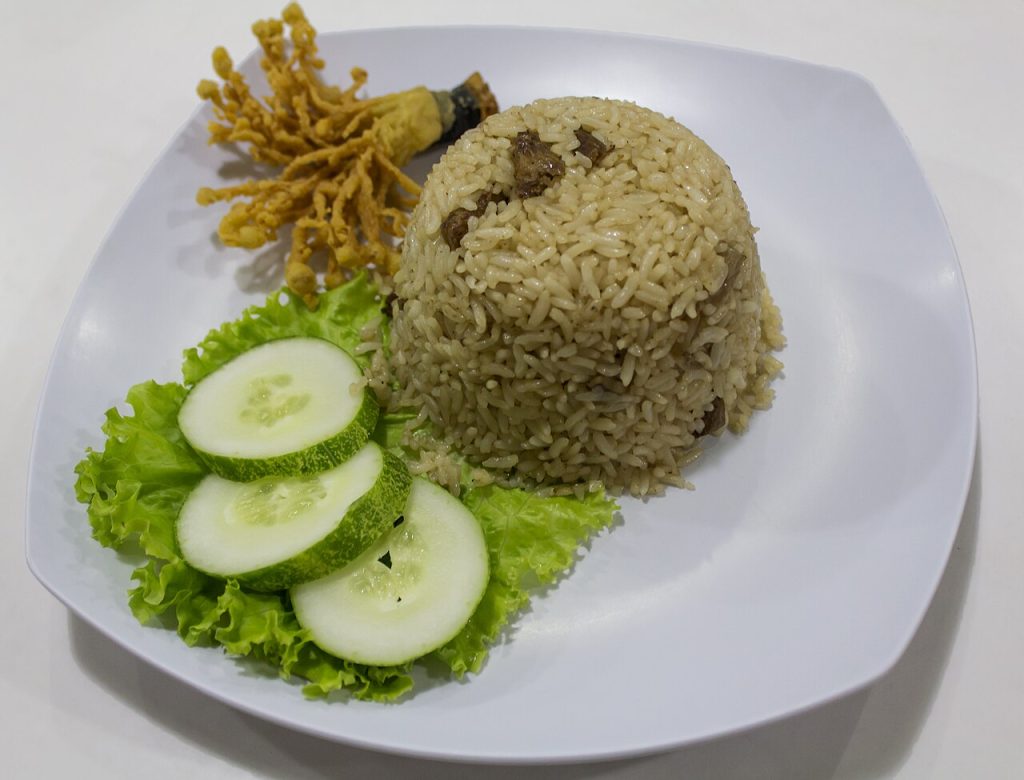
A fragrant fried rice that’s often served with a fried egg, prawns, and crispy shallots. Look for the sweet soy sauce (kecap manis) that balances the savory.
Rendang
A slow‑cooked beef stew from Sumatra, simmered in coconut milk, spices, and dried chilies until the liquid evaporates, leaving a thick, aromatic sauce.
Satay (Sate)
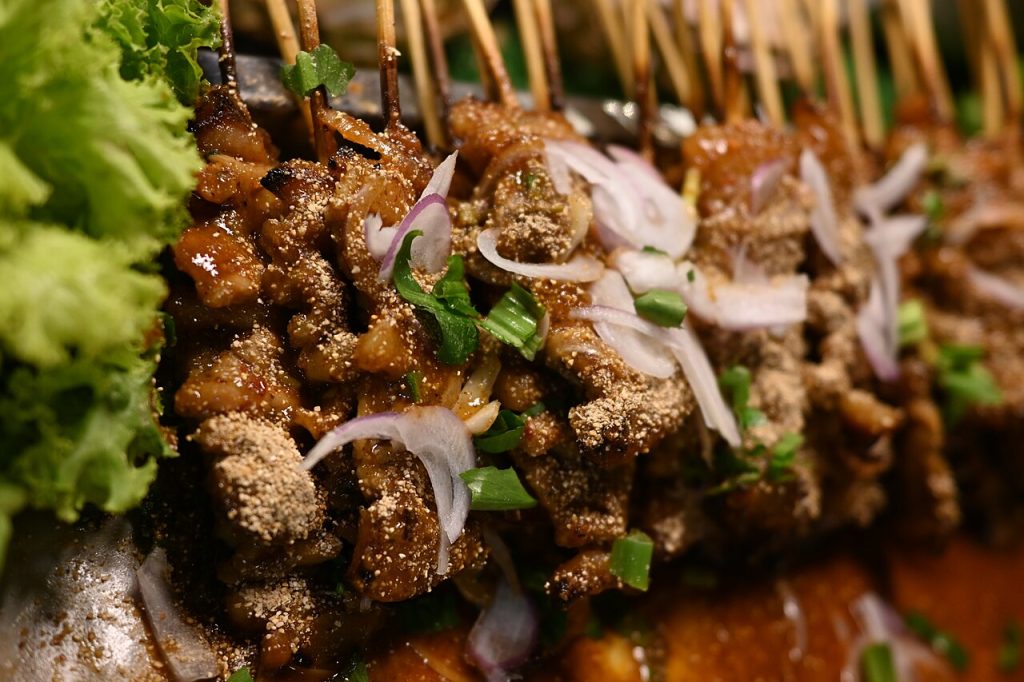
Skewered meat (chicken, beef, or lamb) grilled over charcoal and served with a creamy peanut sauce. The smoky flavor pairs beautifully with the nutty sauce.
Gado‑Gado
A fresh vegetable salad tossed in a rich peanut dressing, often topped with hard‑boiled eggs and krupuk (crunchy crackers).
Bakso
Meatball soup with noodles, tofu, and sometimes glass noodles. It’s a comforting, street‑food staple across the islands.
How to Order Indonesian Food Like a Pro
Ordering in Indonesia can be straightforward if you keep a few pointers in mind:
- Use “Berapa?” (How much?) to ask for the price before ordering.
- When you’re ready to order, say “Saya mau… ” (I would like…) followed by the dish name.
- Ask for “bumbu” (spice mix) if you want extra heat.
- For rice dishes, request “nasi putih” (plain white rice) or “nasi kuning” (yellow rice with turmeric).
- Remember that many dishes come with side items; you can specify if you’d like them omitted to avoid extra costs.
Cooking Indonesian Food at Home
Recreating authentic flavors at home is easier than you think. Here are steps to start your culinary journey:
- Begin with a tempeh or tofu stir‑fry using soy sauce, garlic, and a dash of chili paste.
- For a simple nasi goreng, sauté garlic, shallots, and diced onions; add cooked rice, soy sauce, and a beaten egg.
- Experiment with a homemade balado paste by blending chilies, tomatoes, garlic, and salt.
- Use a pressure cooker for dishes like rendang to reduce cooking time while preserving flavor.
- Finish with fresh herbs like coriander or green onions for brightness.
Practical Tips for Food Enthusiasts
To make the most of your Indonesian food adventure, keep these tips handy:
- Try street food early: Many stalls open at dawn, offering the freshest preparations.
- Respect local customs: Using the right fork and knife, and eating with your left hand is common in some regions.
- Ask locals for recommendations: A quick “Apa rekomendasi?” (What do you recommend?) often leads to hidden gems.
- Be mindful of spice levels: If you’re sensitive to heat, ask for “rendah” (low) or “sedang” (medium) spiciness.
- Carry small change: Many vendors accept only cash.
Conclusion
Indonesian cuisine is an invitation to explore a world of flavors, textures, and aromas. By understanding regional differences, key ingredients, and how to order and cook, beginners can confidently navigate the vibrant culinary landscape. Whether you’re sampling street stalls in Jakarta or creating a home‑cooked feast, the spirit of Indonesian food—rich, communal, and endlessly inventive—will leave a lasting impression.