
Introduction
Indonesian food is a tapestry of colors, aromas, and textures that reflects the archipelago’s cultural richness. Whether you’re a seasoned foodie or a curious traveler, this guide will help you navigate the essential dishes, ingredients, and cooking techniques that define Indonesia’s culinary identity.
What Makes Indonesian Food Unique
Unlike many Asian cuisines that rely heavily on soy sauce or fish sauce, Indonesian cooking balances sweet, salty, sour, and spicy flavors through a diverse range of spices, herbs, and tropical ingredients. The use of coconut milk, galangal, lemongrass, and palm sugar creates depth and warmth, while fresh chilies and fermented fish add heat and umami.
Regional influences are also a cornerstone of Indonesian cuisine. Each island or province brings its own staple ingredients—rice in Java, seafood in the coastal provinces, and spices from the Spice Islands—resulting in a menu that feels both familiar and entirely distinct.
Regional Highlights
Indonesia’s culinary map is as varied as its geography. Here are three key regions and what they’re known for:
- Java – The heart of the country, famous for its satay, nasi goreng (fried rice), and the creamy rendang from West Sumatra.
- Sumatra – Known for rich, spicy curries and the iconic rendang, a slow‑cooked beef dish that’s become a global favorite.
- Bali – Offers a mix of fresh seafood, vegetarian-friendly dishes, and the famous Babi Guling (roasted suckling pig).
Each region also has unique street‑food scenes, from bustling night markets in Jakarta to beachside stalls in Lombok, where you can sample bite‑size delights that showcase local flavors.
Signature Dishes to Try
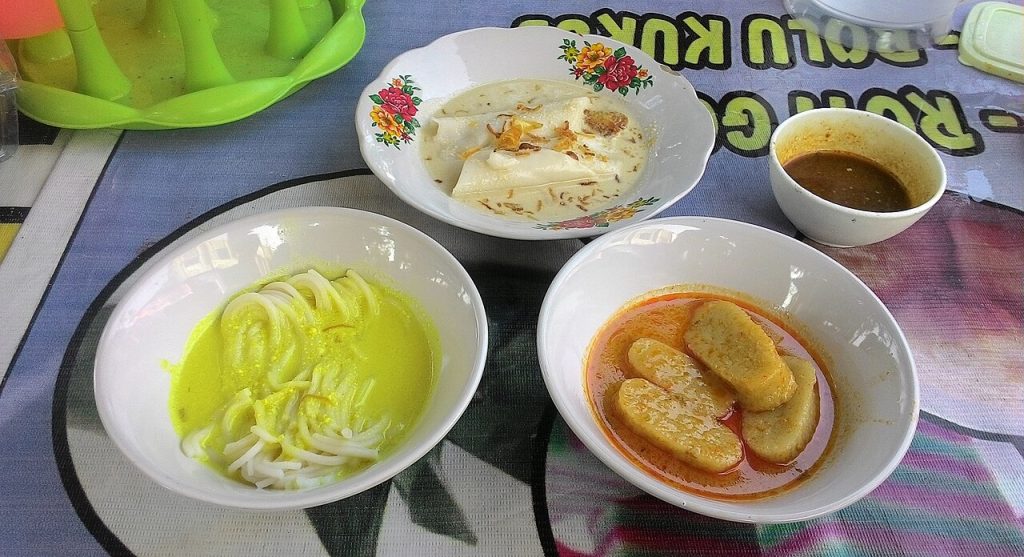
Here are five must‑taste dishes that represent Indonesian cuisine’s breadth:
- Nasi Goreng – A fragrant fried rice with shallots, garlic, and a hint of sweet soy sauce, usually topped with a fried egg.
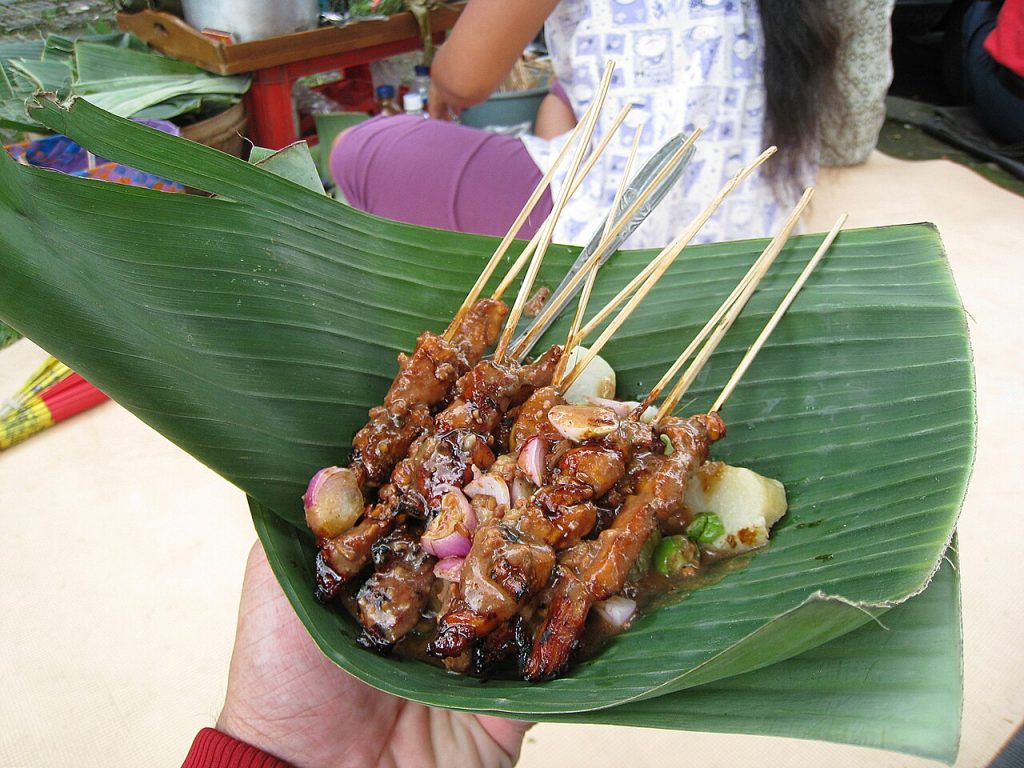
- Satay – Skewered grilled meats served with a creamy peanut sauce and a side of cucumber and onions.
- Rendang – A slow‑cooked beef or pork dish simmered in coconut milk and spices until the sauce thickens into a caramelized glaze.
- Gado‑Gado – A vegetable salad tossed in a nutty peanut dressing, often served with boiled eggs and tofu.
- Bakso – Meatballs made from beef or chicken, served in a savory broth with noodles and vegetables.
Key Ingredients & Flavors
Understanding the core ingredients will give you confidence when exploring Indonesian markets or cooking at home.
- Coconut Milk – Provides richness and balances spicy heat.
- Galangal & Lemongrass – Offer citrusy, aromatic notes that replace ginger in many dishes.
- Spice Mixes – Pandan leaves, kaffir lime leaves, and bay leaves contribute fragrance, while turmeric, coriander, and cumin add warmth.
- Fermented Sauces – Fish sauce (kecap) and shrimp paste (belacan) add depth and umami.
- Palm Sugar – Sweetens dishes without the harshness of white sugar.
Basic Cooking Techniques for Beginners
Indonesian cooking is accessible and often relies on simple techniques that produce complex flavors:
- Stir‑Frying – Quick and versatile for vegetables, meats, and sauces.
- Simmering – Ideal for curries and stews, allowing spices to meld over time.
- Roasting – For meats like satay and babi guling, giving a smoky char.
- Blending – Essential for making fresh sauces such as sambal and peanut sauce.
Practice these methods, and you’ll find that Indonesian dishes can be made in a short amount of time without sacrificing flavor.
Practical Tips for Exploring Indonesian Food
Whether you’re dining out or cooking at home, these pointers will help you enjoy Indonesian cuisine safely and authentically:
- Start with Mild Dishes – If you’re new to spice, begin with milder options like nasi goreng or gado‑gado, then gradually increase heat.
- Seek Local Markets – Fresh ingredients and spices are best sourced from wet markets or street stalls.
- Ask for Recommendations – Locals often know the best hidden gems and can explain the story behind a dish.
- Use Fresh Herbs – Replace dried herbs with fresh lemongrass, kaffir lime leaves, and coriander for brighter flavor.
- Respect Food Etiquette – When dining, it’s polite to try a little of every dish and to finish your plate.

Conclusion
Indonesian cuisine offers a rich, flavorful adventure that’s accessible to beginners. By understanding its regional diversity, key ingredients, and foundational techniques, you can confidently explore dishes ranging from simple street food to elaborate curries. Start with the basics, experiment with local flavors, and let each bite take you on a journey through Indonesia’s culinary heritage.