
Indonesian cuisine is a tapestry of flavors, colors, and aromas that reflect the country’s rich cultural heritage and abundant natural resources. Whether you’re a seasoned foodie or just starting to explore international flavors, this guide will help you navigate the basics of Indonesian cooking, introduce you to its most beloved dishes, and give you practical tips for enjoying and recreating these delights at home.
What Makes Indonesian Food Unique
Unlike many national cuisines that center around a single staple, Indonesian cooking thrives on a blend of rice, noodles, coconut, and a generous use of spices. The country’s archipelagic geography has led to a culinary diversity where ingredients and techniques differ dramatically from one island to another. A few key elements stand out:
- Spice blends – From fragrant rendang to fiery sambal, spices are the heart of Indonesian flavor.
- Coconut – Coconut milk and grated coconut appear in soups, curries, desserts, and even drinks.
- Rice & noodles – Steamed rice, fried rice, and noodle dishes such as mie goreng form everyday meals.
- Freshness & balance – Dishes aim for harmony of sweet, salty, sour, and umami, often topped with fresh herbs.
Regional Flavors You Should Try
Java – The Heartland
Java offers hearty dishes like nasi goreng (fried rice), gado-gado (vegetable salad with peanut sauce), and the royal rawon (beef soup with keluak nuts). The island’s mild climate yields abundant spices such as nutmeg and cloves.
Sumatra – Bold & Aromatic
Sumatra is famous for rendang – slow‑cooked beef in coconut milk and spices – and siomay (steamed fish dumplings). The region’s peppery flavors come from local peppercorns and the use of galangal.
Bali – Tropical & Sweet
Bali’s cuisine balances spice with sweet, exemplified by dishes like babi guling (roast suckling pig) and lawar (vegetable salad with coconut). Fresh tropical fruits and coconut milk are staples.
Maluku & Papua – Spice Islands
These islands contribute unique ingredients such as tamarind and black pepper, and feature dishes like ikan bakar (grilled fish) seasoned with local chilies.
Essential Ingredients and Spices
Mastering Indonesian cooking starts with familiarizing yourself with a few core ingredients:
- Spices – galangal, lemongrass, kaffir lime leaves, coriander seeds, cumin, turmeric, and fresh chilies.
- Condiments – sambal oelek, sweet soy sauce (kecap manis), and fermented shrimp paste (terasi).
- Base ingredients – coconut milk, tamarind pulp, palm sugar, and fish sauce.
- Fresh produce – bean sprouts, cabbage, carrots, and leafy greens like daun singkong.
Many of these items are available in Asian grocery stores or online. Keep a spice rack with the basics, and you’ll be ready for almost any recipe.
Must‑Try Classic Dishes
Nasi Goreng
This iconic fried rice is seasoned with sweet soy sauce, garlic, shallots, and a touch of sambal. Top it with a fried egg, sliced cucumber, and prawn crackers for a complete meal.
Rendang
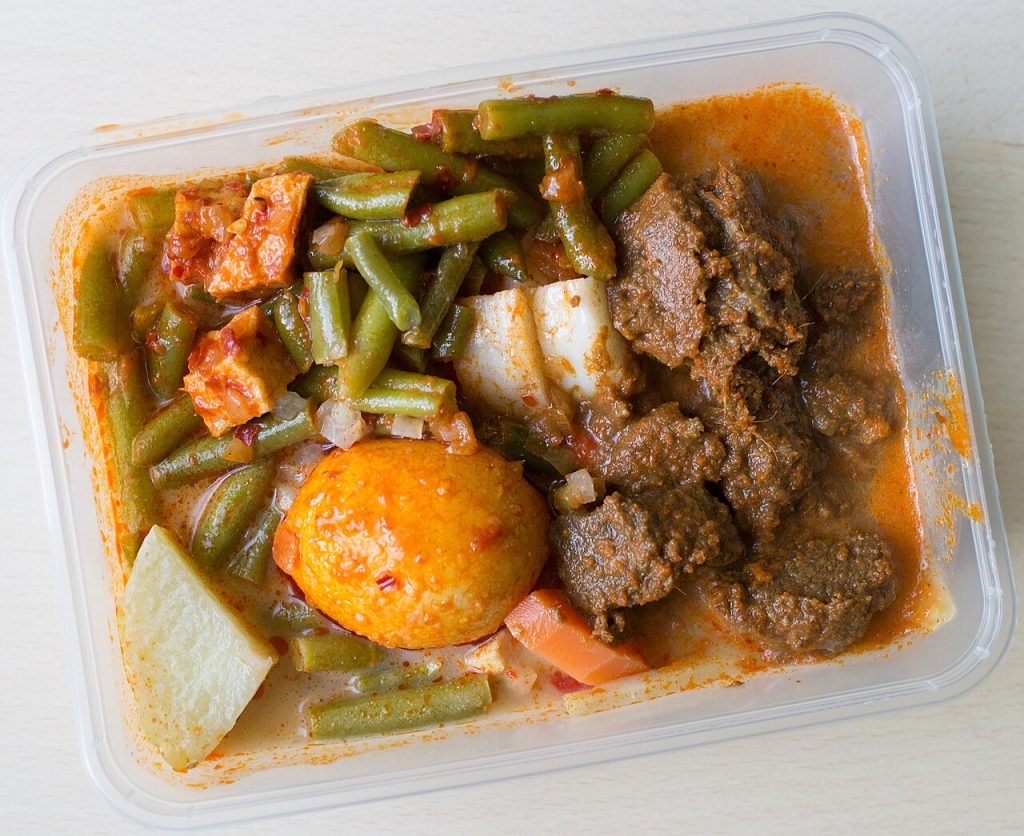
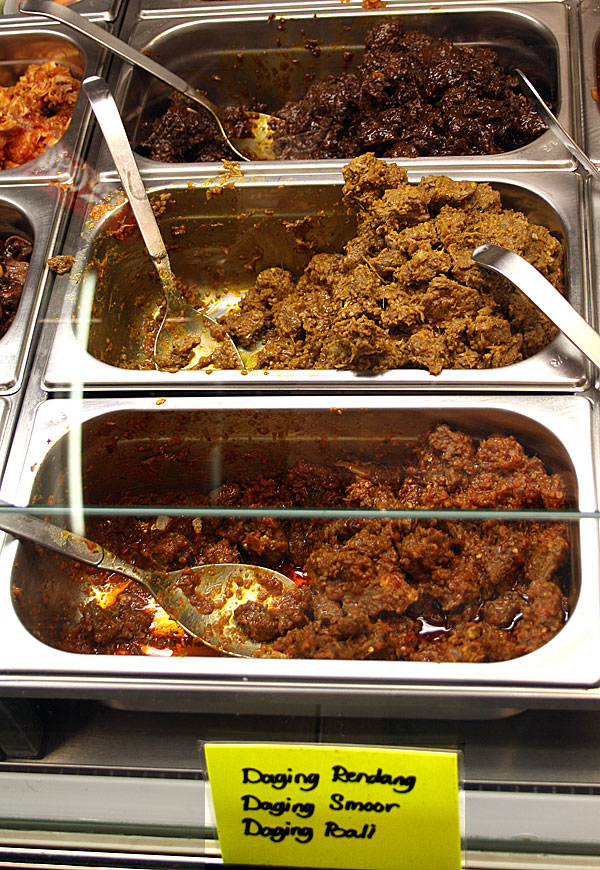
Slow‑cooked beef or chicken in a rich coconut sauce, spiced with ginger, galangal, and dried chilies. The result is tender meat with a smoky, caramelized glaze.
Sate Ayam
Grilled chicken satay skewers served with a peanut sauce and a side of cucumber salad. The skewers are marinated in a mixture of turmeric, garlic, and coriander.
Gado‑Gado
A mixed vegetable salad tossed in a creamy peanut sauce. It’s a vegetarian favorite that balances crunchy vegetables with a rich, nutty dressing.
Babi Guling
Balinese roast suckling pig, marinated with turmeric, lemongrass, and a blend of spices, then slow‑roasted to achieve crispy skin and succulent meat.
Practical Tips for Beginners
- Start small – Pick one dish, learn its technique, then expand your repertoire.
- Use a spice grinder – Freshly ground spices make a huge difference in flavor.
- Balance flavors – Taste as you cook, adjusting sweet, salty, sour, and spicy notes.
- Don’t skip the aromatics – Sautéing garlic, shallots, and chilies first builds depth.
- Pair with rice – Steamed jasmine or sticky rice complements most Indonesian dishes.
- Explore street food – Indonesian street vendors often showcase authentic, affordable versions of classics.
- Respect dining etiquette – Share dishes, use the right hand for eating, and express gratitude with a polite “selamat makan.”
Conclusion
Indonesian cuisine offers a vibrant journey through spice, texture, and tradition. By understanding its core ingredients, regional variations, and classic dishes, you’ll be well on your way to mastering this delicious food culture. Grab a few key spices, experiment with a few recipes, and soon you’ll find yourself savoring the flavors of Indonesia right in your kitchen.