
Introduction
Indonesia’s culinary scene is a mosaic of aromas, textures, and colors that reflect its archipelagic diversity. From fragrant coconut curries to spicy sambals, the country’s dishes offer a sensory adventure for any food lover. Whether you’re planning a trip, curious about Southeast Asian flavors, or simply want to expand your cooking repertoire, this guide will give you the essentials to start exploring Indonesian cuisine with confidence.
What Makes Indonesian Food Unique
Unlike many neighboring countries that rely heavily on rice as a staple, Indonesian dishes often balance rice with an array of side dishes, grilled meats, and vegetable stews. The cuisine is deeply rooted in the use of fresh herbs, aromatic spices, and tropical ingredients such as coconut milk, galangal, and lemongrass. The result is a harmonious blend of sweet, sour, salty, and spicy notes that can be both comforting and adventurous.
Key Ingredients & Flavor Profile
Understanding the core ingredients will help you identify authentic Indonesian dishes and recreate them at home.
- Coconut Milk (Santan) – Provides a rich, creamy base for many curries and soups.
- Galangal – A root with a sharp, citrusy flavor, often used in stews and spice blends.
- Lemongrass – Adds a fresh, lemony aroma, especially in broths.
- Balado & Sambal – Spicy chili pastes that range from mild to fiery.
- Spice Pastes (Bumbu) – Made from a blend of ground chilies, shallots, garlic, and candlenuts.
- Rice Varieties – From fragrant jasmine to sticky glutinous rice for desserts.
These ingredients come together in a delicate dance of flavors that define Indonesian cooking.
Must‑Try Classic Dishes
Below are some iconic dishes you should experience first. Each dish offers a unique glimpse into Indonesia’s culinary heritage.
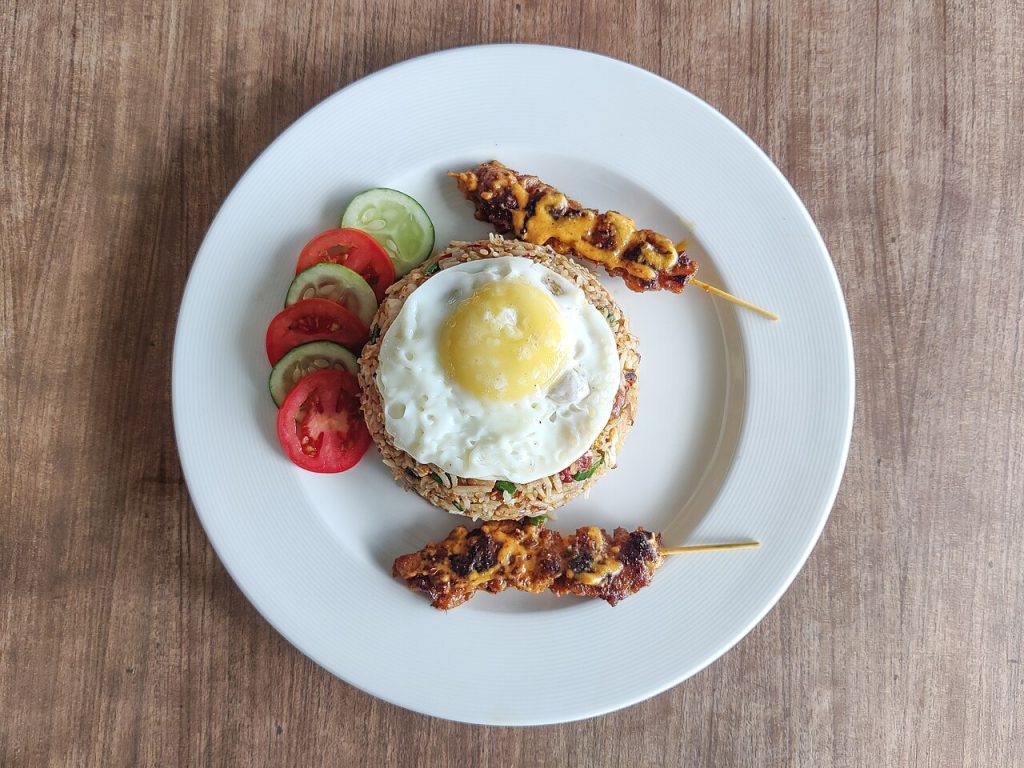
Nasi Goreng (Indonesian Fried Rice)
A fragrant fried rice seasoned with kecap manis (sweet soy sauce), garlic, shallots, and sometimes a hint of chili. It’s often served with a fried egg, sliced cucumber, and prawn crackers.
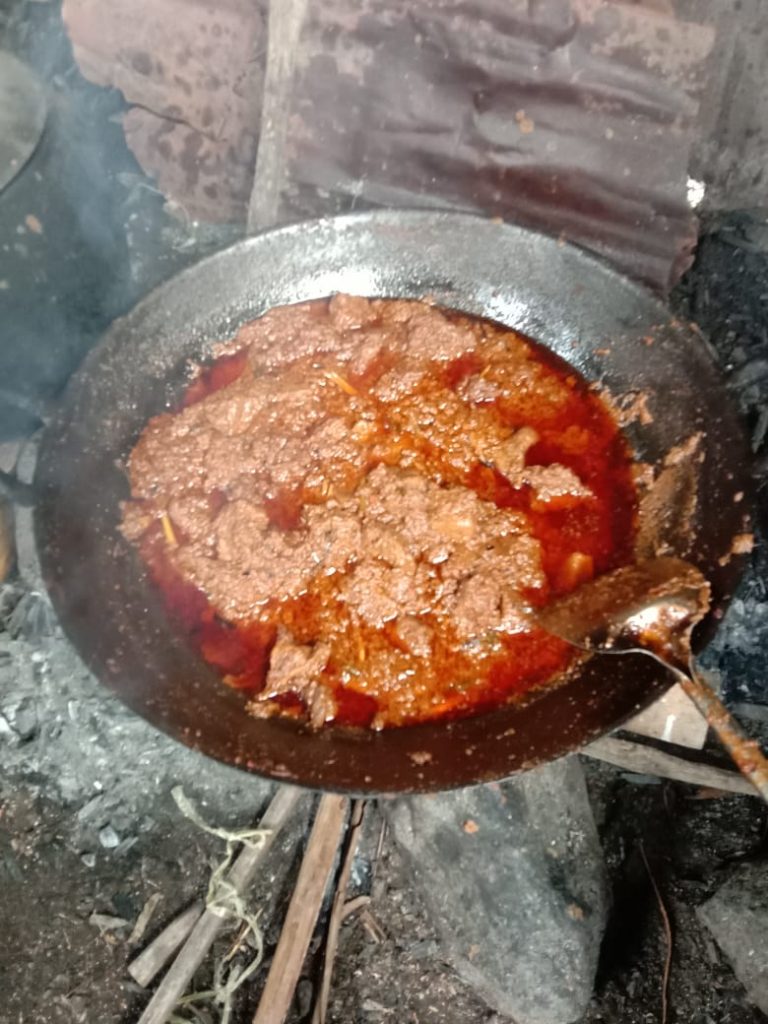
Rendang (Beef Rendang)
Originating from Padang, this slow‑cooked beef stew is simmered in coconut milk and a complex spice paste until the liquid evaporates and the meat becomes tender and richly flavored.
Sate (Satay Skewers)
Marinated grilled meat skewers served with a creamy peanut sauce. Variants include chicken, beef, lamb, or even tofu.
Gado‑Gado (Vegetable Salad with Peanut Sauce)
A refreshing salad of blanched vegetables, hard‑boiled eggs, tofu, and tempeh, topped with a thick peanut sauce and a sprinkle of fried shallots.
Ayam Bakar Taliwang (Spicy Grilled Chicken)
From Lombok, this grilled chicken is coated with a fiery mixture of chilies, garlic, and lime, giving it a bright, smoky flavor.
Regional Variations
Indonesia’s geography translates into distinct regional flavors:
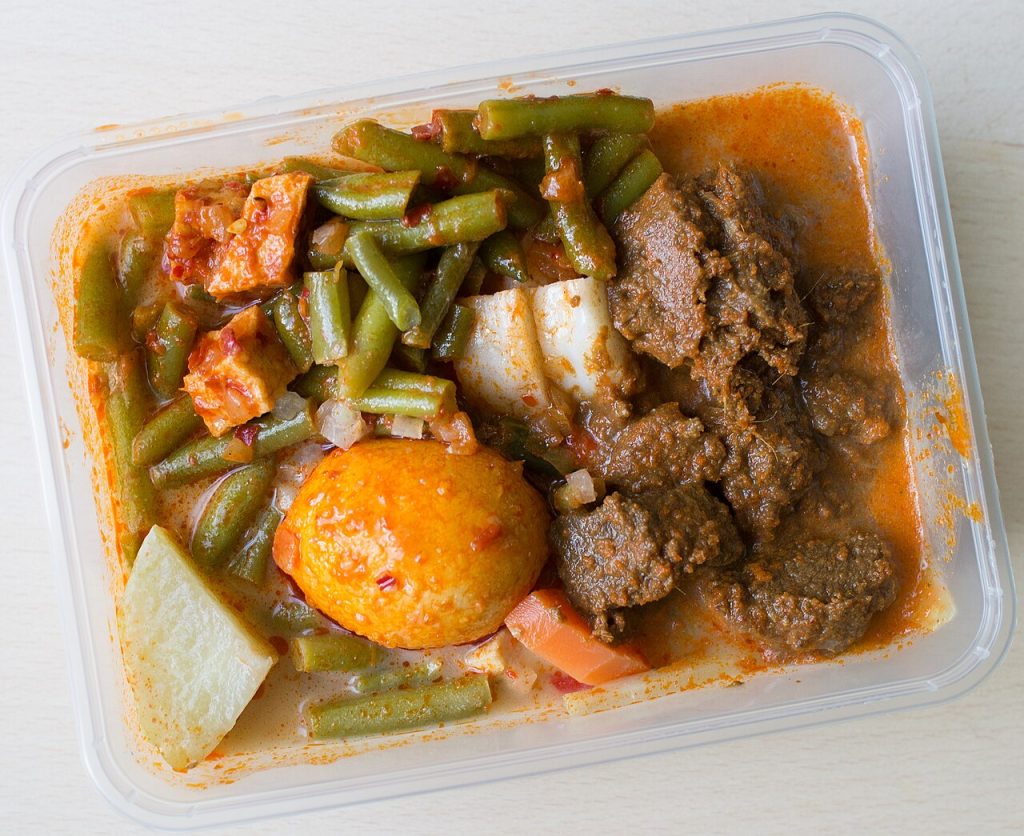
- Sumatra – Known for its bold, spice‑heavy dishes like rendang and gulai.
- Java – Features milder, sweeter tastes such as nasi kuning (yellow rice) and pecel.
- Bali – Offers aromatic seafood dishes with a touch of sweetness, often served with fresh coconut.
- Sulawesi – Famous for its spicy soups and unique use of local seafood.
- Maluku & Papua – Known for its use of coconut and local fish in rich stews.
Practical Tips for Beginners
- Start Simple – Master basic spice pastes (bumbu) before experimenting with complex recipes.
- Use Fresh Herbs – Fresh ginger, lemongrass, and kaffir lime leaves elevate any dish.
- Balance Flavors – Taste as you cook; adjust sweetness, saltiness, or heat to suit your palate.
- Invest in a Good Pan – A cast‑iron or stainless‑steel skillet works well for sautéing spices.
- Explore Markets – Local markets are the best places to find fresh spices, chilies, and aromatics.
- Practice Portioning – Indonesian meals often consist of many small dishes; this encourages sharing and sampling.
Pairing Food & Drinks
Complement your Indonesian dishes with suitable beverages:
- Beer – A light lager or a local craft beer pairs nicely with spicy curries.
- Rice Wine (Beras) – Traditional fermented rice drinks can help cleanse the palate.
- Tea – Jasmine or green tea works well with milder dishes.
- Fresh Coconut Water – Refreshes the taste buds between spicy bites.
Conclusion
Indonesian cuisine is a celebration of bold flavors, aromatic spices, and culinary ingenuity. By understanding its foundational ingredients, exploring classic dishes, and practicing mindful cooking techniques, beginners can confidently dive into this vibrant food culture. Grab a spice jar, set up a small stove, and let the flavors of Indonesia transport you to an unforgettable culinary journey.