
Introduction
Indonesia, the world’s largest archipelago, offers a culinary landscape as diverse as its islands. From the aromatic rendang of Sumatra to the spicy sambal of Java, Indonesian food is a vibrant tapestry of spices, fresh seafood, and fragrant herbs. Whether you’re a seasoned traveler or a curious foodie, this guide will help you navigate the basics, taste the highlights, and even create authentic dishes at home.
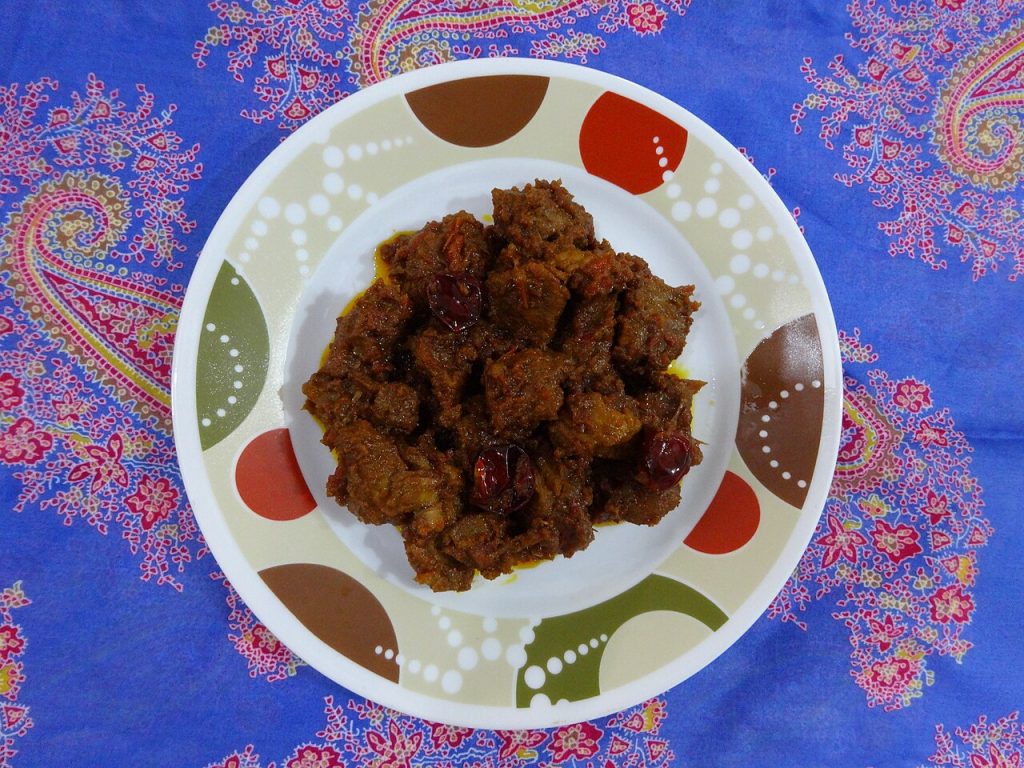
Overview of Indonesian Cuisine
Indonesian cooking is built on three core principles: balance, harmony, and regional identity. The cuisine blends influences from India, China, the Middle East, and Europe, yet each dish carries a distinct local character. The main ingredients—rice, coconut milk, chili, and fresh herbs—are paired with a variety of meats, seafood, and vegetables, resulting in a wide spectrum of flavors from sweet to spicy.
Key Ingredients You’ll Need
- Rice – the staple base for almost every meal.
- Coconut milk – adds creaminess and depth to curries.
- Fresh chilies – range from mild bird’s eye to fiery cabe rawit.
- Turmeric, galangal, and lemongrass – essential for authentic aroma.
- Peanut sauce (tahini) – a must-have for satay and gado‑gado.
- Fish sauce (kecap) and soy sauce (kecap manis) – provide savory umami.
- Fresh herbs: mint, basil, coriander – brighten dishes.
Having these ingredients on hand will make cooking Indonesian dishes at home a breeze.
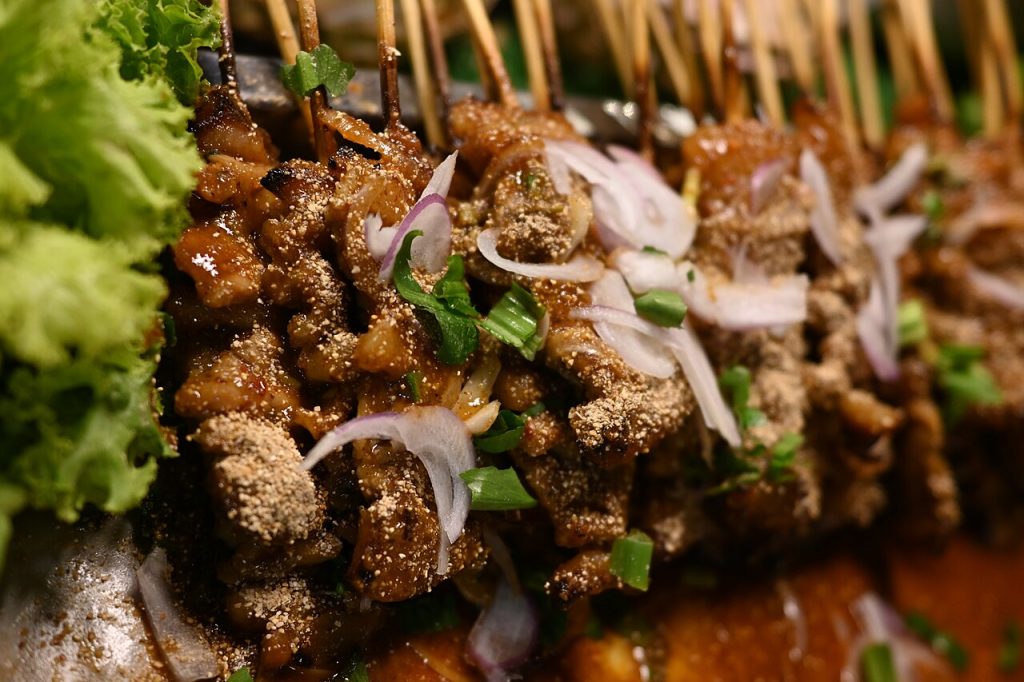
Popular Dishes Every Beginner Should Try
- Rendang – a slow‑cooked beef stew simmered in coconut milk and a spice blend of turmeric, ginger, and galangal.
- Satay – skewered grilled meats served with a rich peanut sauce.
- Nasi Goreng – Indonesian fried rice, typically topped with a fried egg and a side of fresh cucumber.
- Gado‑Gado – a colorful salad of blanched vegetables, boiled eggs, and tofu, dressed in a sweet peanut sauce.
- Soto Betawi – a hearty beef soup flavored with coconut milk and galangal.
- Ayam Goreng – crispy fried chicken marinated in a blend of spices.
These dishes showcase the range of textures and flavors that define Indonesian cuisine.
How to Prepare Indonesian Dishes at Home
Follow these simple steps to create a memorable Indonesian meal:
- Start with aromatics: Sauté onions, garlic, and sliced chilies until fragrant.
- Add spices: Stir in ground turmeric, ginger, and crushed galangal. Let them toast for a minute.
- Introduce the protein: Add your choice of meat or seafood, coating it well with the spice mixture.
- Pour coconut milk: Add coconut milk and simmer until the liquid reduces and the flavors meld.
- Season: Finish with fish sauce, sugar, and salt to balance the dish.
- Serve: Pair with steamed rice, fresh herbs, or a side salad.
With practice, you’ll develop an intuition for seasoning and timing, allowing you to adapt the recipe to your taste.
Practical Tips for Authentic Flavor
- Use a mortar and pestle to grind spices; it releases essential oils that a blender can’t.
- Choose fresh chilies for heat; dried chilies give a milder, smoky flavor.
- Let coconut milk sit overnight; the cream will rise to the top, giving a richer consistency.
- Always taste as you go—adjust salt, sweetness, and acidity to achieve harmony.
Where to Eat Authentic Indonesian Food
If you’re traveling, look for local “warung” restaurants or street stalls, as they often serve the freshest and most authentic dishes. In major cities, neighborhoods like Jakarta’s Menteng or Bali’s Seminyak boast a variety of Indonesian eateries ranging from budget stalls to upscale restaurants. Online review platforms can help you find highly rated spots that showcase regional specialties.
Conclusion
Indonesian cuisine invites you to explore a world of spices, textures, and stories. By understanding its core ingredients, familiarizing yourself with signature dishes, and practicing at home, you can enjoy the rich flavors of Indonesia wherever you are. Whether you’re cooking for friends, planning a culinary trip, or simply satisfying your curiosity, this guide is your first step toward becoming a true Indonesian food enthusiast.