
Indonesian cuisine is a colorful tapestry of spices, fresh ingredients, and regional traditions that reflect the archipelago’s diverse cultures. Whether you are a curious foodie or a home cook looking to expand your culinary horizons, this guide will give you a solid foundation to start exploring Indonesian dishes with confidence.
Overview of Indonesian Cuisine
Indonesian food is built on a balance of sweet, salty, sour, and spicy flavors. Rice is the staple grain, often paired with a variety of side dishes that showcase local produce, meats, and seafood. Traditional cooking methods include grilling, steaming, stir‑frying, and slow simmering, each bringing out unique textures and aromas.
Key Ingredients
Understanding the core ingredients will help you recognize Indonesian dishes at a glance:
- Spices and Aromatics: ginger, galangal, lemongrass, turmeric, coriander, cumin, and chili peppers form the backbone of many sauces.
- Herbs: kaffir lime leaves, bay leaves, and daun salam add citrusy and floral notes.
- Condiments: sweet soy sauce (kecap manis), fish sauce (kecap ikan), and shrimp paste (belacan) provide depth and umami.
- Fresh Produce: coconut milk, tamarind, lime, and a variety of tropical fruits contribute to the bright, tangy flavors.
Must‑Try Dishes
Here are a few iconic dishes that every beginner should try:
- Nasi Goreng: fried rice with garlic, shallots, and a splash of sweet soy sauce, often topped with a fried egg.
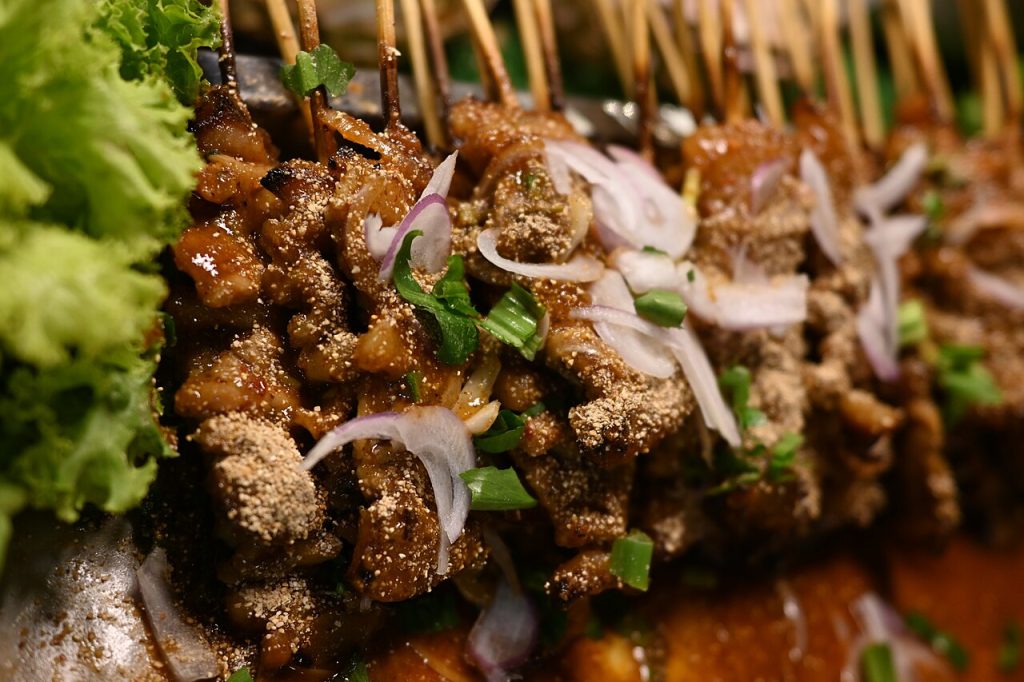
- Sate Ayam: grilled chicken skewers served with a rich peanut sauce.
- Rendang: slow‑cooked beef in a spicy coconut milk gravy, originating from Padang.
- Gado‑Gado: a mixed vegetable salad tossed in a creamy peanut dressing.
- Bakso: Indonesian meatballs served in a savory broth.

Regional Variations
Indonesia’s geography gives rise to distinct culinary styles:
- Java: known for its rich, sweet dishes like gudeg and sambal.
- Sumatra: famous for its bold, spicy curries and rendang.
- Bali: offers fresh seafood and vibrant vegetable dishes with coconut milk.
- Maluku and Papua: feature unique ingredients such as sago and freshwater fish.
How to Cook Indonesian Food at Home
Start with simple recipes and gradually experiment with more complex flavors:
- Use a wok or large skillet for stir‑frying.
- Toast spices lightly before adding liquids to release their aromas.
- Balance flavors by tasting as you cook; add sweet, salty, or sour components in small increments.
- Keep a small stock of essential condiments like sweet soy sauce and shrimp paste.
Practical Tips for Beginners
1. Start with familiar ingredients: Many Indonesian dishes use ingredients you already know, such as rice, chicken, and vegetables.
2. Learn the basics of spice blends: A simple mixture of ground coriander, cumin, and chili can be a versatile base for many sauces.
3. Use fresh herbs: Adding fresh lime leaves or basil at the end of cooking brightens the dish.
4. Practice portion control: Indonesian meals often feature small plates; try serving a variety of side dishes to experience the full range of flavors.
Conclusion
Indonesian cuisine offers a rich palette of flavors that can be explored at any skill level. By mastering a few key ingredients, understanding regional styles, and practicing simple cooking techniques, you can bring the taste of Indonesia into your own kitchen. Happy cooking!