
Introduction
Chinese food is celebrated worldwide for its diversity, balance, and bold flavors. Whether you’re a seasoned foodie or a casual diner, the sheer number of regional styles and menu options can feel overwhelming. This article breaks down the key considerations that will help you choose the perfect Chinese dish for any setting.
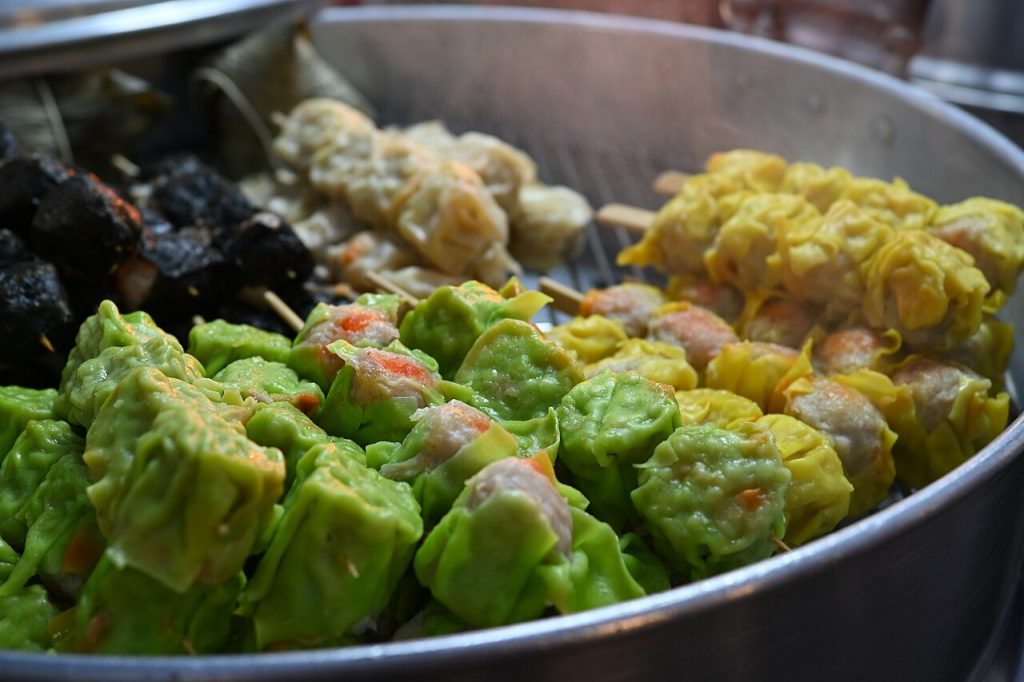
1. Understanding Chinese Cuisine
At its core, Chinese cuisine is built on four main principles: taste, texture, color, and aroma. Each regional style—Sichuan, Cantonese, Hunan, Shandong, Jiangsu, and more—offers distinct flavor profiles, cooking techniques, and signature ingredients. Knowing these basics can guide you toward dishes that align with your palate.
2. Identify Your Preferences
Start by answering a few simple questions:
- Spice level? Do you like heat, or prefer milder flavors?
- Protein choice? Are you a meat lover, seafood enthusiast, or plant‑based diner?
- Texture? Do you enjoy crispy, chewy, or silky textures?
- Occasion? Is it a casual meal, a special celebration, or a business lunch?
Once you have a clear picture, you can narrow down the vast menu options.
3. Key Factors When Choosing a Dish
3.1 Flavor Profile
Match the dish’s flavor to your preference:
- Sweet & savory: Think sweet and sour pork or braised duck with soy sauce.
- Umami & salty: Mapo tofu and steamed fish with ginger are classic choices.
- Herbal & aromatic: Dishes like hot pot or stir‑fried greens with garlic emphasize fresh herbs.
3.2 Dietary Considerations
Many Chinese dishes can be adapted to suit dietary needs:
- Gluten‑free: Choose steamed buns or rice‑based noodles instead of wheat.
- Low‑fat: Opt for steamed or boiled proteins over deep‑fried options.
- Vegetarian: Sichuan tofu, stir‑fried bok choy, or egg drop soup are flavorful alternatives.
3.3 Cooking Method
Cooking techniques influence texture and flavor intensity:
- Stir‑fry: Quick, high‑heat cooking that preserves crunch.
- Steaming: Gentle method that keeps ingredients moist and light.
- Deep‑frying: Adds a crispy exterior, ideal for dumplings or chicken feet.
3.4 Presentation & Portion Size
Consider the dining context: a family‑style banquet may call for shared platters, while a date night might favor single‑portion dishes like seafood hot pot or steamed fish.
4. Practical Tips for Selecting Chinese Food
- Read the menu description: Look for clues about cooking style and spice level.
- Ask for recommendations: Staff can guide you toward regional specialties that suit your taste.
- Check ingredient lists: If you have allergies, ensure no hidden allergens like soy or gluten.
- Consider the season: Fresh, light dishes are great in summer, while hot pot or braised items warm you in winter.
- Balance your plate: Combine protein, vegetables, and carbohydrates for a satisfying meal.
Conclusion
Choosing the right Chinese dish boils down to a few thoughtful steps: understand the regional flavors, identify your personal preferences, weigh dietary needs, and consider the cooking method. Armed with this knowledge, you can confidently navigate any Chinese menu and savor the authentic taste of China in every bite.