Introduction
Traditional food is more than just a meal; it’s a cultural narrative that tells the story of a people’s history, geography, and values. When traveling or exploring new cuisines at home, the question often arises: how do I choose the right traditional dish? This guide breaks down the decision‑making process into clear, actionable steps that will help you enjoy authentic flavors while respecting their origins.
What Makes a Dish Traditional?
A dish earns its traditional status through a combination of history, local ingredients, and community practices. Authentic recipes are passed down through generations, often adapted to seasonal produce and regional tastes. When you look for a traditional meal, consider the following:
- Origin story – Does the recipe have documented roots in a specific region or community?
- Ingredient authenticity – Are the staples local and seasonally appropriate?
- Preparation method – Is the cooking technique traditional (e.g., wood‑fire roasting, slow braising)?
Key Factors to Consider
1. Cultural Context
Understanding the cultural backdrop of a dish can deepen your appreciation and guide your choice. For instance, a dish that’s a staple at festivals will carry different significance than one served in everyday meals.
2. Ingredient Quality
Local, fresh ingredients are the hallmark of traditional cuisine. Look for vendors or restaurants that source produce, spices, and meats from nearby farms or markets.
3. Seasonality
Traditional dishes often align with seasonal cycles. Eating a winter stew in summer might mean the dish has been altered, while a summer soup made from freshly harvested vegetables reflects its true roots.
4. Cooking Method
Authentic techniques—such as using a clay pot, a wood‑smoked grill, or a traditional tandoor—add depth to flavor that modern appliances can’t replicate.
Practical Tips for Selecting a Dish
- Ask the chef or vendor – Inquire about the dish’s history and the source of its ingredients.
- Check the menu description – Look for terms like “hand‑crafted,” “family recipe,” or “regional specialty.”
- Observe preparation – A dish that is visibly prepared in front of you, especially using traditional tools, often guarantees authenticity.
- Read reviews – Authentic experiences are frequently highlighted in local food blogs and traveler testimonials.
- Respect local customs – Some dishes are tied to specific rituals; be mindful of how you partake in them.
Regional Variations: A Snapshot
Every region adds its own twist to a traditional dish. Here are three examples that illustrate how local ingredients and cultural nuances shape flavor profiles:
Italian Pasta alla Norma (Sicily)
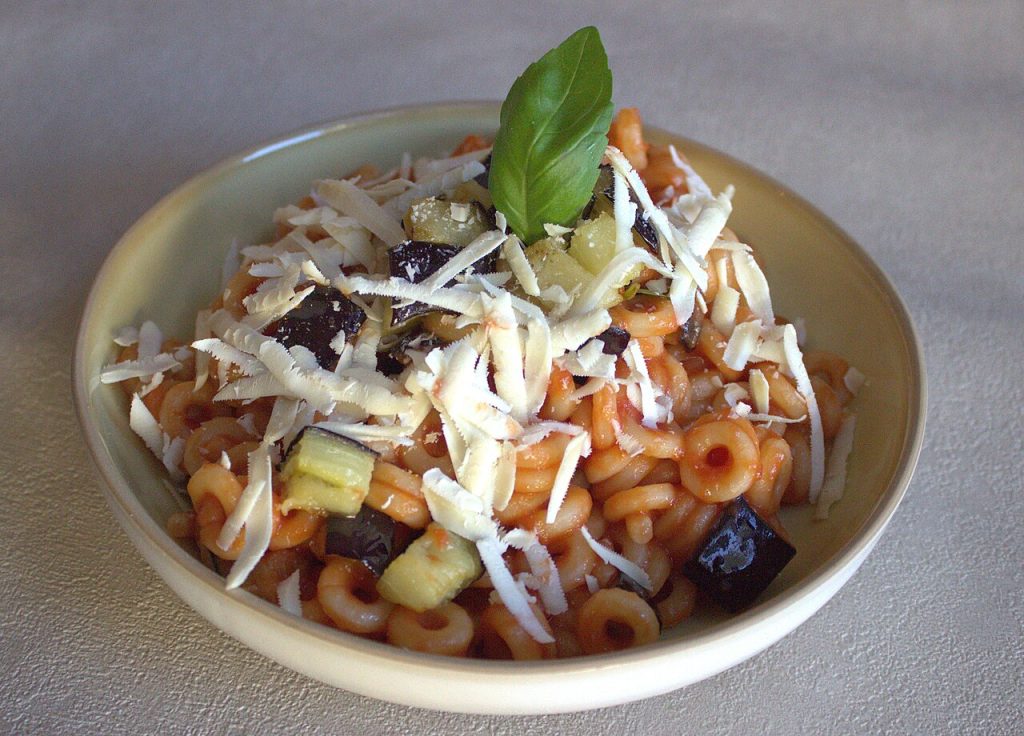
Made with fresh egg noodles, roasted eggplant, tomato sauce, and ricotta salata, this dish showcases Sicily’s love for simple, hearty ingredients. The key is the balance between the earthy eggplant and the sharpness of ricotta.
Mexican Tamales (Yucatán)
Tamales here use masa de maíz, slow‑cooked pork, and a smoky achiote sauce. The corn husk wrapper adds subtle flavor and is a nod to pre‑colonial techniques.
Japanese Kaiseki (Kyoto)
A multi‑course meal that emphasizes seasonal presentation, kaiseki reflects Japan’s reverence for nature. Each dish is meticulously crafted to highlight the freshest ingredients available.
How to Enjoy Traditional Food Responsibly
Respecting the heritage behind a dish is as important as savoring its taste. Here’s how to dine with cultural sensitivity:
- Support local producers – Buy ingredients from farmers or markets that uphold traditional farming methods.
- Learn the etiquette – Some cultures have specific dining rituals; a quick research can prevent faux pas.
- Ask for portion sizes – Traditional servings are often smaller, designed to be shared.
- Share the experience – Encourage others to try the dish, spreading awareness of its cultural value.
Conclusion
Choosing the right traditional food involves more than a menu check. By understanding the dish’s cultural roots, evaluating ingredient authenticity, and respecting local practices, you can enjoy a meal that feels both genuine and memorable. Whether you’re a seasoned traveler or a culinary enthusiast, these guidelines will help you connect with the soul of any cuisine you encounter.
Embark on your culinary adventure with confidence, and let every bite tell a story that transcends borders.
Visual Inspiration