
Chinese cuisine is celebrated for its vibrant flavors, fresh ingredients, and balanced approach to cooking. Whether you’re a seasoned foodie or a curious beginner, understanding its benefits and how to recreate its dishes at home can transform everyday meals into delightful experiences.
Health Benefits of Chinese Cuisine
Nutrient‑Rich Ingredients
Many traditional Chinese recipes center around vegetables, lean proteins, and whole grains. Ingredients such as bok choy, snow peas, ginger, garlic, and tofu provide essential vitamins, minerals, and antioxidants while keeping calorie density low.
Balanced Cooking Techniques
Stir‑frying, steaming, and braising are common methods that preserve nutrients and reduce the need for excessive oil. Steaming, for instance, retains water‑soluble vitamins like vitamin C, while quick stir‑fry releases flavors without overcooking delicate greens.
Iconic Chinese Dishes to Try
Dim Sum Delights
- Har Gow – translucent shrimp dumplings that are light and protein‑rich.
- Char Siu Bao – steamed buns filled with sweet barbecued pork.
- Turnip Cake – a savory cake of grated daikon and rice flour, offering a good source of fiber.
Stir‑Fry Staples
- Kung Pao Chicken – a spicy peanut‑sauce dish that balances protein, healthy fats, and crunchy peanuts.
- Mapo Tofu – silky tofu in a fragrant bean paste sauce, delivering plant‑based protein and gut‑friendly fermented ingredients.
- Beijing Beef – tender beef with a sweet‑savory sauce and crisp vegetables.
Soups and Stews
- Hot & Sour Soup – a broth of mushrooms, bamboo shoots, and vinegar for a low‑calorie, umami punch.
- Wonton Soup – delicate pork or shrimp wontons in a clear broth, perfect for a light starter.
- Congee – rice porridge that can be customized with scallions, ginger, or preserved egg for a comforting, easily digestible meal.
Practical Tips for Cooking Chinese at Home
Essential Kitchen Staples
- High‑heat oil (e.g., peanut or sunflower) for quick searing.
- Rice vinegar and soy sauce for classic sauces.
- Fresh ginger, garlic, and scallions for base aromatics.
- Wok or large skillet for even heat distribution.
Flavor Building Blocks
Layer flavors by starting with aromatics (ginger, garlic, scallions), adding protein, then vegetables, and finishing with sauces. This method ensures each component contributes to the overall taste profile.
Healthy Substitutions
- Replace white rice with jasmine or brown rice for added fiber.
- Use skinless chicken or tofu instead of fatty cuts.
- Swap heavy sauces for lighter versions using less oil and more stock.
Creative Ideas for Modern Meals
Fusion Bowls
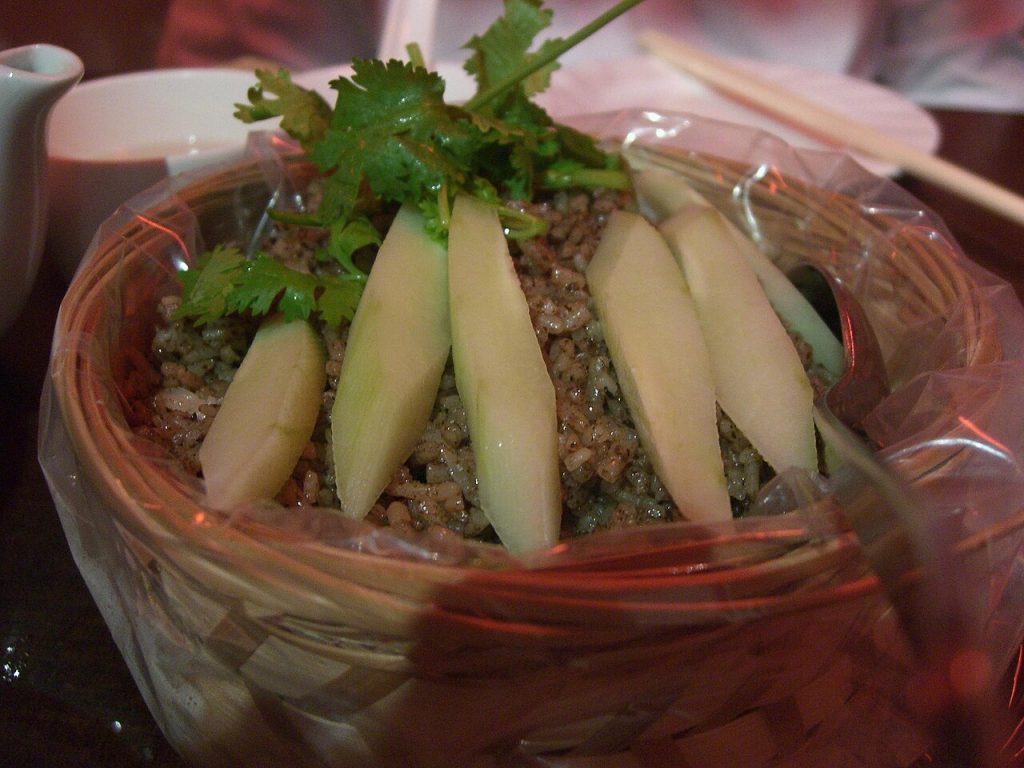
Combine steamed rice, sautéed bok choy, sliced grilled chicken, and a drizzle of hoisin sauce for a quick, balanced bowl that’s both familiar and fresh.
Quick One‑Pan Dishes
Throw all ingredients into a single pan: garlic, sliced bell peppers, tofu, and a splash of soy sauce. Cook until everything is caramelized; serve over quinoa for a protein‑packed dinner.
Snack and Appetizer Variations
- Mini spring rolls filled with shredded cabbage and carrots.
- Steamed dumplings with a dipping sauce of soy and chili oil.
- Cold cucumber salad tossed in rice vinegar and sesame seeds.
Conclusion
Chinese food offers more than just bold flavors; its emphasis on fresh ingredients, balanced techniques, and mindful seasoning makes it a wholesome choice for everyday meals. By mastering a few staple dishes and incorporating practical kitchen tips, you can enjoy authentic tastes while keeping health in focus. Start experimenting today and let each bite transport you to the bustling streets and serene kitchens of China.