
Common Mistakes When Making Thai Food
Thai cuisine is celebrated for its vibrant flavors, aromatic herbs, and balanced sweet, salty, spicy, and sour notes. Yet many home cooks fall into predictable traps that can turn a promising recipe into a forgettable meal. This guide highlights the most common mistakes and offers clear, actionable solutions to help you master authentic Thai cooking.
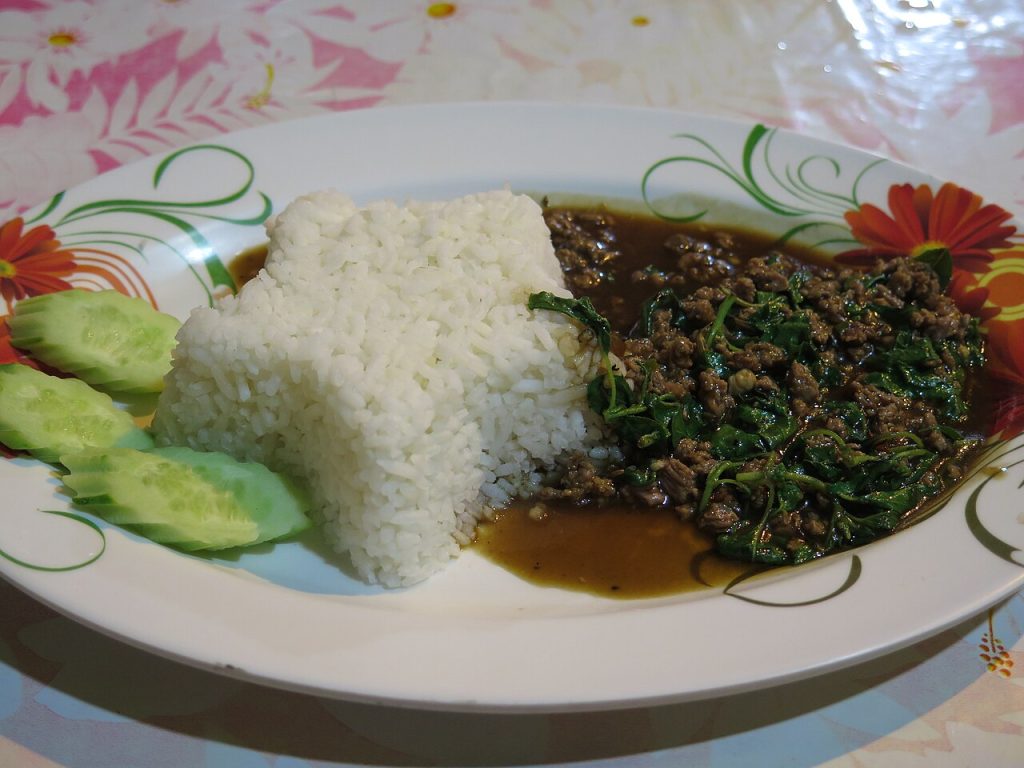
1. Skipping Fresh Ingredients
Thai dishes thrive on freshness. Using dried or over‑aged herbs can mute the bright, lively flavors that define the cuisine.
Use Fresh Herbs, Not Dried
Replace dried basil or oregano with fresh Thai basil, cilantro, or kaffir lime leaves. Even a small pinch of fresh herbs can elevate the entire dish.
Choose the Right Protein
Opt for fresh, high‑quality meat or seafood. Marinating with lime juice or fish sauce before cooking can enhance flavor and tenderize the protein.
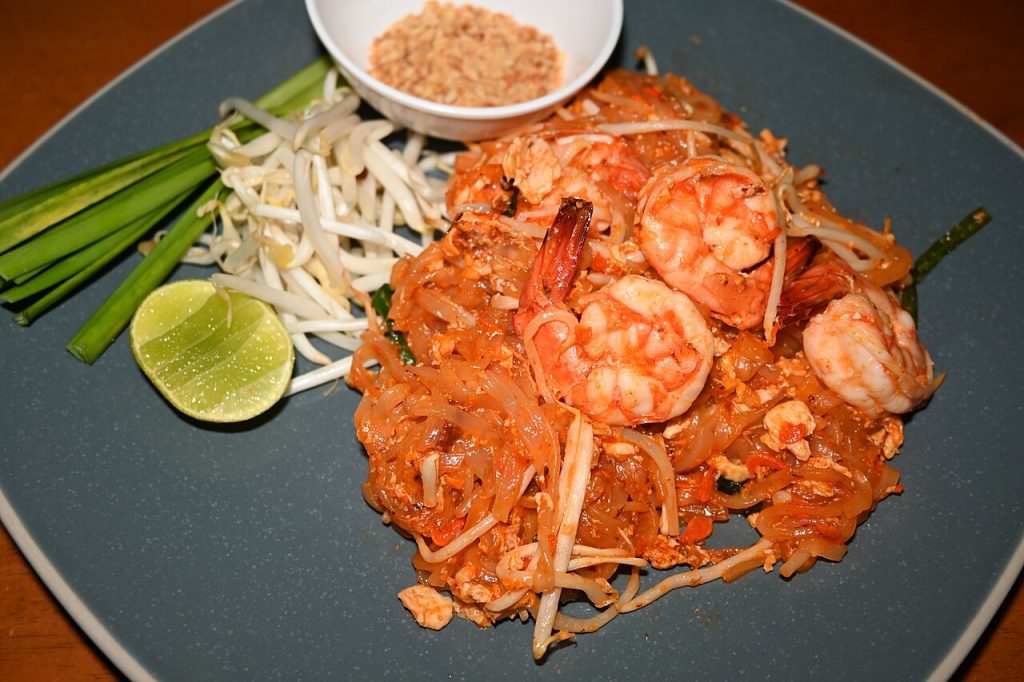
2. Misbalancing Sweet, Salty, Sour, and Spicy Notes
One of the hallmarks of Thai food is its harmonious balance. Over‑emphasis on any single element ruins the dish.
Start with a Small Amount of Fish Sauce
Fish sauce is potent. Begin with a teaspoon, taste, and add more gradually to avoid an overpowering saltiness.
Adjust Sweetness Carefully
Palm sugar or brown sugar should be added in small increments. Sweetness should complement, not dominate.
Incorporate Lime or Tamarind Gradually
Acidity should be layered. Add a splash at the end of cooking and adjust to taste.
Control the Heat
Thai chilies are hot. If you’re sensitive, start with a quarter of the recommended amount and increase as desired.
3. Over‑or Under‑Cooking Rice and Noodles
Rice and noodles are the backbone of many Thai meals. Incorrect cooking can lead to mushy or rubbery textures.
Rinse Rice Thoroughly
Rinse jasmine rice until the water runs clear to remove excess starch.
Use the Right Ratio of Water to Rice
A common rule is 1 part rice to 1.5 parts water. Adjust slightly based on your stove’s heat.
Stir-Fry Noodles Quickly
Preheat the wok, add oil, then the noodles. Stir constantly to keep them from sticking and to achieve the desired al dente bite.
4. Ignoring Proper Heat Management
Thai cooking often requires high heat for quick, flavorful results. A low or uneven flame can cause uneven cooking and flavor loss.
Preheat Your Wok or Pan
Wait until the surface is hot before adding oil. A drop of water should sizzle immediately.
Keep Ingredients Ready
Have all chopped items, sauces, and aromatics measured and within reach. The faster you add them, the better the flavor integration.
Use the Right Fat
Peanut oil or vegetable oil with a high smoke point is ideal for stir‑frying.
5. Neglecting Presentation and Timing
Thai food is as much about visual appeal as it is about taste. Serve dishes promptly to maintain texture and temperature.
Plate Immediately
Serve hot dishes on pre‑heated plates to keep them warm and preserve crispness.
Add Fresh Garnishes
Sprinkle sliced chilies, lime wedges, and fresh herbs right before serving to add brightness.
Practical Tips to Avoid These Mistakes
- Start with a well‑balanced recipe and taste as you go.
- Keep a small tasting spoon handy to adjust seasonings gradually.
- Invest in a good wok and a reliable stove for high‑heat cooking.
- Learn to recognize the right texture for rice, noodles, and proteins.
- Practice plating techniques to enhance the dish’s visual appeal.
Conclusion
Mastering Thai cooking is less about memorizing complex techniques and more about respecting the ingredients, balancing flavors, and managing heat. By avoiding these common mistakes and applying the practical tips above, you’ll elevate your dishes from ordinary to authentically delicious. Happy cooking, and enjoy the journey through Thailand’s vibrant culinary landscape!