
Japanese food is known for its delicate flavors and precise techniques. However, many home cooks stumble over simple mistakes that can ruin the dish. This article highlights the most common pitfalls and offers practical solutions.
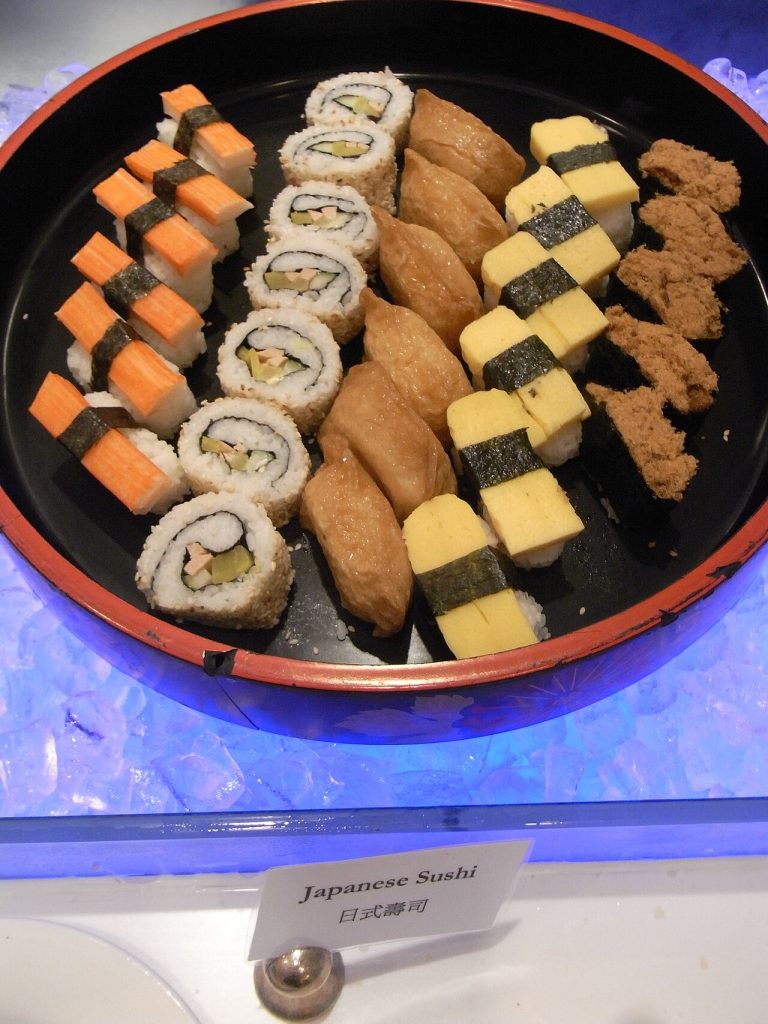
Mistake 1: Using the Wrong Rice
Rice is the backbone of many Japanese meals, and choosing the right variety is crucial. Most people use short‑grain rice that is sold in supermarkets, but the ideal choice for sushi or onigiri is a specific type of short‑grain Japanese rice that has a higher amylopectin content. This gives it a sticky, slightly sweet texture that holds together well.
Common problems include:
- Using long‑grain rice that dries out.
- Rinsing the rice too lightly, leaving excess starch on the surface.
- Over‑cooking the rice, which makes it mushy.
To avoid these issues, rinse the rice until the water runs clear, soak for 30 minutes, and then cook on a low heat setting. Use a rice cooker if available, as it automatically adjusts the time and temperature.
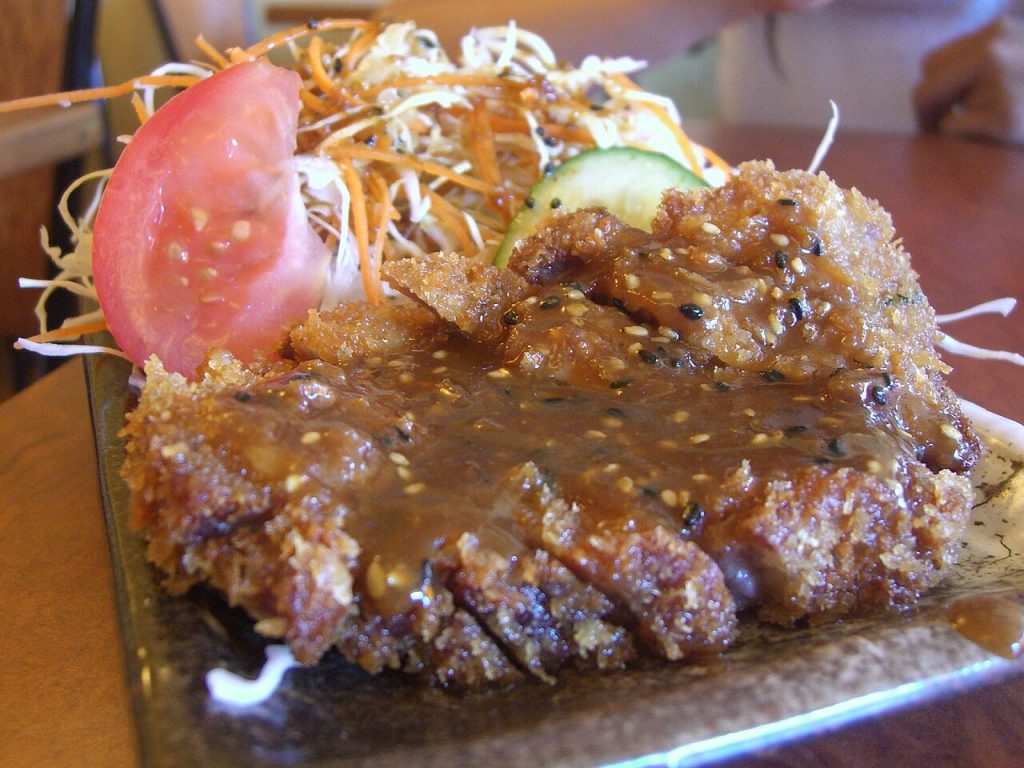
Mistake 2: Overcooking Fish
Fresh fish is a staple in Japanese cuisine, but it is easy to overcook it, especially when grilling or pan‑frying. Over‑cooked fish becomes dry and loses its natural umami flavor.
Tips to keep fish moist:
- Marinate lightly with soy sauce, mirin, and a touch of sugar for 10 minutes.
- Cook on medium heat and flip only once.
- Use a thermometer; the internal temperature should reach 125°F (52°C) for sashimi or 140°F (60°C) for cooked dishes.
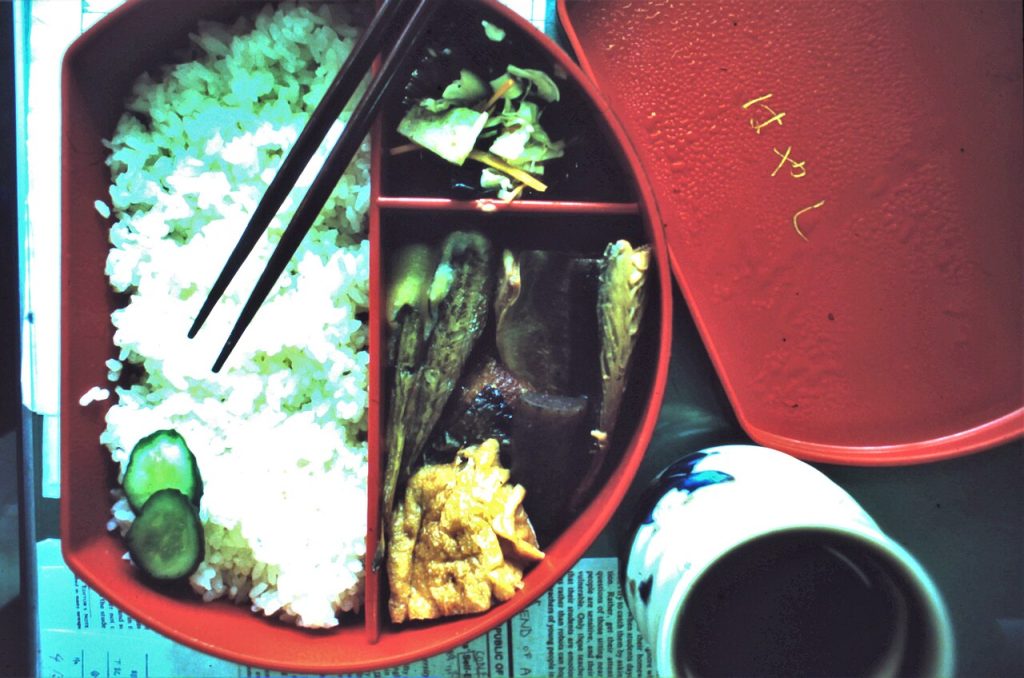
Mistake 3: Ignoring Umami
Umami is the savory taste that defines many Japanese dishes. Skipping ingredients that provide this depth, such as dashi, miso, or bonito flakes, results in bland food.
How to enhance umami:
- Make a homemade dashi using kombu and bonito flakes.
- Add miso paste to soups and sauces for richness.
- Finish dishes with a splash of soy sauce or a drizzle of sesame oil.
Mistake 4: Not Balancing Textures
Japanese cuisine thrives on contrast. Combining crunchy, chewy, and silky textures creates a memorable eating experience.
Common texture errors:
- Serving only soft rice with a soft soup.
- Neglecting crisp vegetables in a dish.
- Using too much sauce that clogs the palate.
To balance textures, include:
- A crunchy element like pickled daikon or tempura.
- A chewy component such as soba noodles.
- A silky sauce like ponzu or a light miso glaze.
Mistake 5: Skipping Proper Seasoning
Seasoning is the final touch that brings harmony to a dish. Over‑seasoning can mask flavors, while under‑seasoning leaves the dish flat.
Seasoning guidelines:
- Season in layers: start with a base of soy sauce, then add mirin, sugar, and finish with a dash of rice vinegar.
- Taste as you go; small adjustments make a big difference.
- Use fresh ingredients; dried soy sauce can be too salty.
Practical Tips for Success
Here are quick actions you can take to elevate your Japanese cooking:
- Invest in a good rice cooker and a set of Japanese knives.
- Keep a small stock of dashi powder or kombu for quick broth.
- Practice the art of slicing sashimi; use a sharp knife and a steady hand.
- Store fresh fish in a cold, airtight container and use it within 24 hours.
- Experiment with different soy sauces: light, dark, and tamari each bring unique flavors.
Conclusion
Mastering Japanese food is less about complex techniques and more about attention to detail. By avoiding these common mistakes—choosing the right rice, cooking fish properly, embracing umami, balancing textures, and seasoning thoughtfully—you can create dishes that honor the tradition and delight the senses. Practice, patience, and a willingness to learn will transform your kitchen into a gateway to authentic Japanese cuisine.