
Indonesian cuisine offers a vibrant mix of spices, textures, and aromas that can transform a simple meal into a memorable experience. Yet, many home cooks stumble over small mistakes that can ruin a dish’s authenticity. This article pinpoints the most common errors and provides clear, actionable advice to help you avoid them. With the right ingredients, balanced flavors, and proper techniques, you’ll be able to recreate iconic dishes like Nasi Goreng, Gado‑Gado, and Rendang with confidence.
Common Ingredient Errors
Choosing the wrong ingredients is the first step toward an unbalanced dish. Indonesian cooking relies on fresh, region‑specific produce and spices that can be hard to find outside specialty markets.
- Using dried or canned coconut milk instead of fresh. Fresh coconut milk gives a bright, creamy texture and subtle sweetness that canned versions often lack.
- Substituting regular ginger with powdered ginger. Fresh ginger has a sharper, more complex flavor; powdered ginger is milder and can leave your dish flat.
- Choosing the wrong chili. Indonesia uses fresh bird’s eye chilies or dried kepi. Using sweet bell peppers or hot Scotch‑Bonnet peppers can change the expected heat profile.
- Overlooking tamarind. Tamarind provides the characteristic tang in many sauces. Replacing it with vinegar or lime can alter the dish’s authenticity.
To avoid these pitfalls, shop at a reputable Asian grocery store or farmers’ market where you can find fresh coconut, fresh chilies, and local herbs. If you’re in the U.S., look for Indonesian or Southeast Asian sections in larger supermarkets.
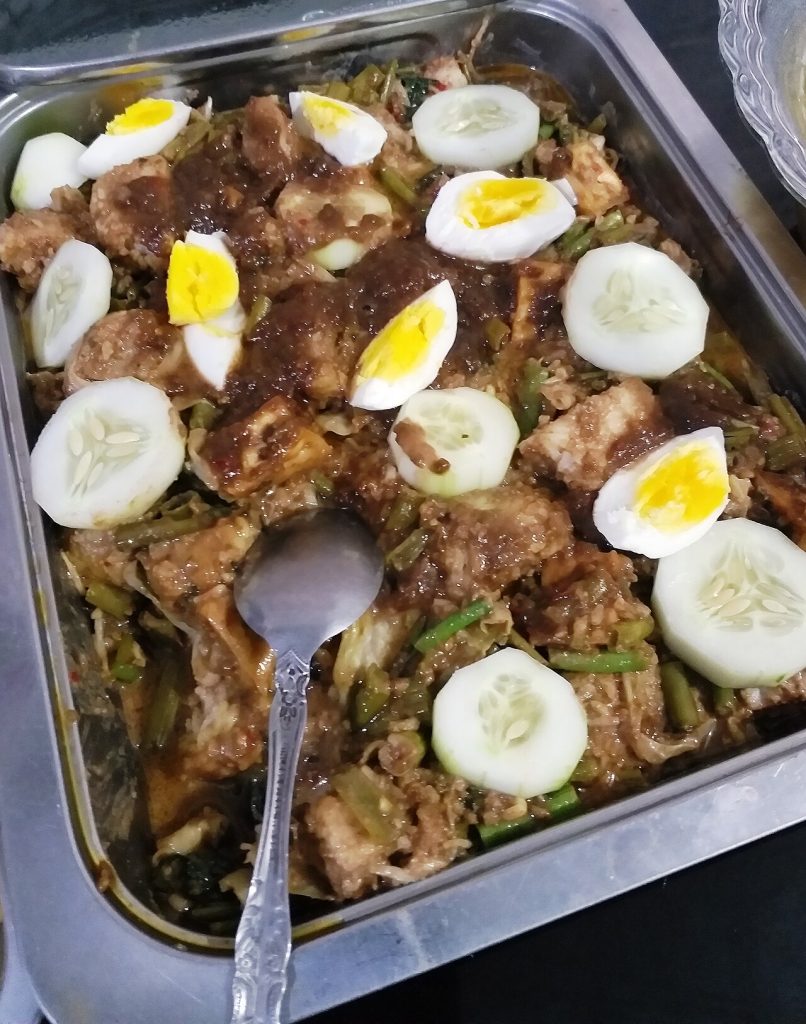
Spice Balance Pitfalls
Balancing the complex layers of flavor—sweet, salty, sour, and umami—is essential in Indonesian cooking. Too much or too little of one element can throw off the whole dish.
- Adding too much salt. Indonesian sauces often use fermented shrimp paste or fish sauce for depth. Over‑salting can mask the subtlety of these umami sources.
- Neglecting the sweet component. Palm sugar or sweet soy sauce is frequently used to counterbalance heat and acidity. Skipping it can leave a dish overly sharp.
- Under‑cooking spices. Toasting spices like cumin, coriander, or galangal releases their oils. Skipping this step can result in a flat, under‑seasoned sauce.
- Forgetting the finish. A splash of lime or a drizzle of sesame oil at the end can brighten the dish. Omitting this finish may leave flavors muddy.
Practice layering flavors: start with aromatics, add spices, then adjust with sweet, salty, and sour components. Taste as you go, and remember that each ingredient has a purpose.
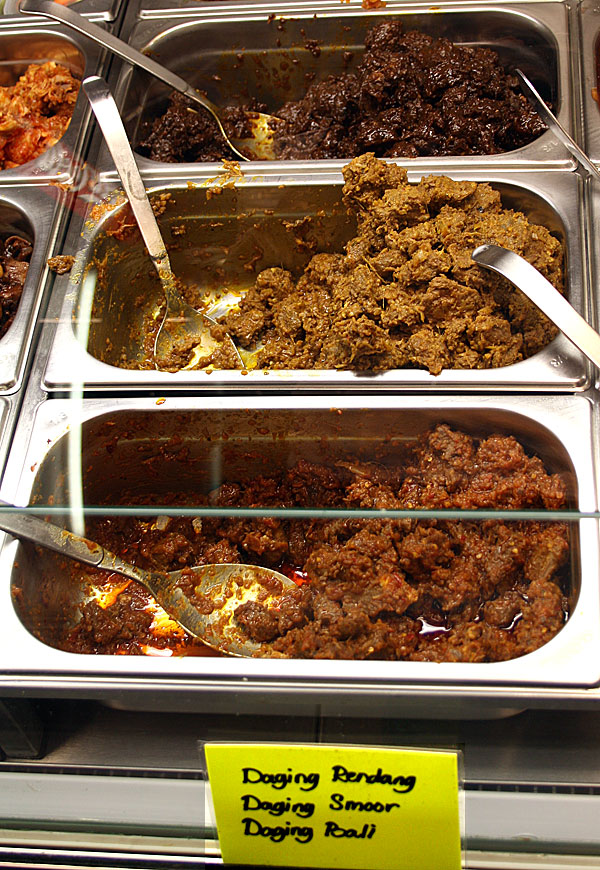
Cooking Technique Missteps
Even with perfect ingredients and seasoning, improper cooking methods can ruin a dish. Indonesian cuisine uses a variety of techniques—stir‑frying, braising, slow‑cooking—that each demand specific attention.
- Over‑stirring or under‑stirring. Stir‑fry dishes like Ayam Goreng require constant motion to prevent sticking; slow‑cooked dishes like Rendang benefit from gentle, consistent heat.
- Using the wrong heat level. High heat is essential for the “wok‑tender” effect in stir‑fry, while low, steady heat is needed for braised soups.
- Skipping the sear. Searing meat or vegetables before adding liquids locks in flavor and adds depth.
- Not allowing sauces to reduce. Many Indonesian sauces need to simmer until the liquid thickens and flavors concentrate; rushing this step can leave a watery finish.
Equip yourself with a good wok or skillet, and keep a fire‑proof spatula handy. Practice the “quick stir” technique: heat the pan, add oil, then drop in aromatics, followed by the main ingredients in a single layer. Finish with a quick splash of sauce and a stir to coat everything evenly.
Mastering Indonesian Cuisine
By avoiding these common mistakes, you’ll unlock the true spirit of Indonesian cooking. The key lies in sourcing fresh, region‑specific ingredients; respecting the balance of flavors; and mastering the cooking techniques that bring each dish to life. Keep a spice jar handy, taste frequently, and don’t be afraid to experiment—after all, many Indonesian dishes are meant to be shared and enjoyed together. Happy cooking!