
Introduction
Thai cuisine is celebrated for its vibrant flavors, aromatic herbs, and precise balance of sweet, sour, salty, and spicy notes. Yet many home cooks stumble over common mistakes that can turn a promising dish into a culinary disappointment. Whether you’re simmering a fragrant soup or stir‑frying a quick noodle plate, the smallest missteps—like using stale ingredients or misjudging heat—can derail the entire flavor profile. This article breaks down the most frequent errors and offers clear, actionable advice so you can consistently create authentic Thai dishes that wow.
Common Mistake #1: Ignoring Freshness of Key Ingredients
Thai cooking relies heavily on fresh aromatics—lemongrass, galangal, kaffir lime leaves, cilantro, and basil. These ingredients carry the bright, herbal backbone of many dishes. When they’re wilted, bruised, or past their prime, the entire flavor collapses. A common oversight is buying dried or pre‑cut herbs that lack the lively punch of fresh leaves. Similarly, using stale fish sauce or soy sauce can introduce a metallic or overly salty taste that masks subtle nuances.
To avoid this, shop at a reputable market where produce is turned daily, and store herbs in a moist paper towel inside the refrigerator. For sauces, keep them in a cool, dark place and always check the expiration date. When possible, make your own fish sauce or coconut milk for maximum freshness.
Common Mistake #2: Over‑ or Under‑Balancing Flavors
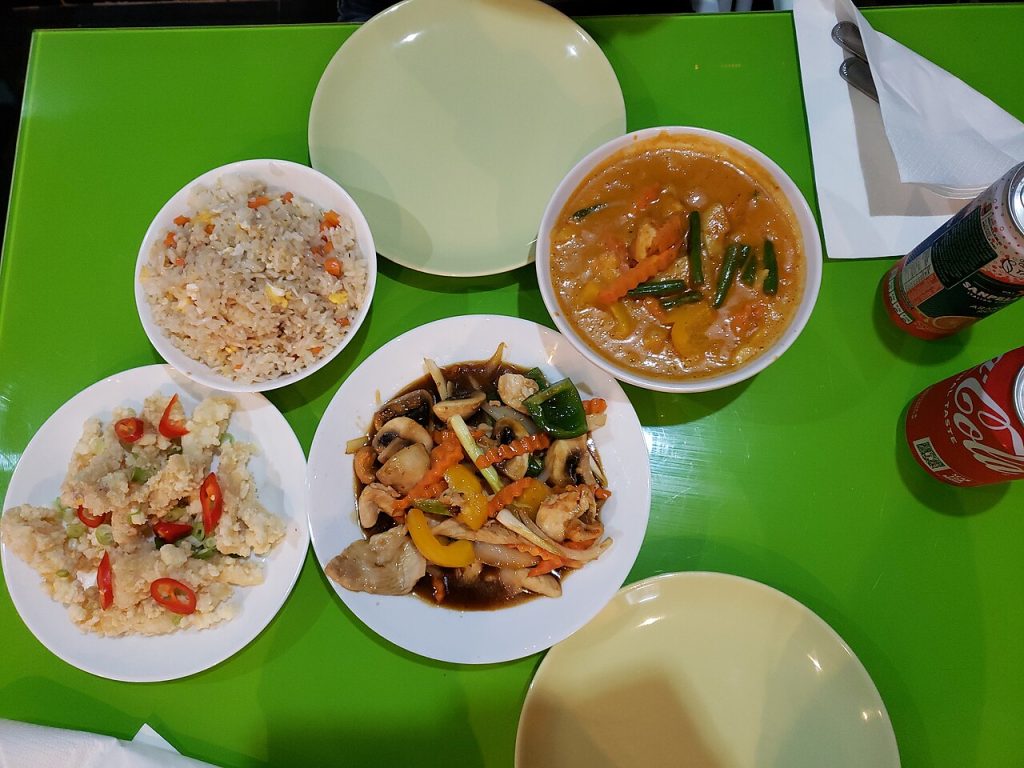
One of the hallmarks of Thai cuisine is the delicate equilibrium between sweet, sour, salty, and spicy elements. A common mistake is adding too much sugar or lime juice, which can overpower the dish. Conversely, neglecting salt can leave a bland result that feels “unfinished.” Many cooks also underplay the heat by using too little chili or by cooking the peppers too long, which diminishes their bright, fresh heat.
The key is to taste continuously. Add small increments of each seasoning—just a pinch of sugar, a splash of lime, a dash of fish sauce—and adjust after each addition. Remember that heat is best added at the end of cooking; sautéing chilies for too long releases a milder, sweeter flavor rather than the crisp bite you want.
Common Mistake #3: Misusing Heat and Cooking Times
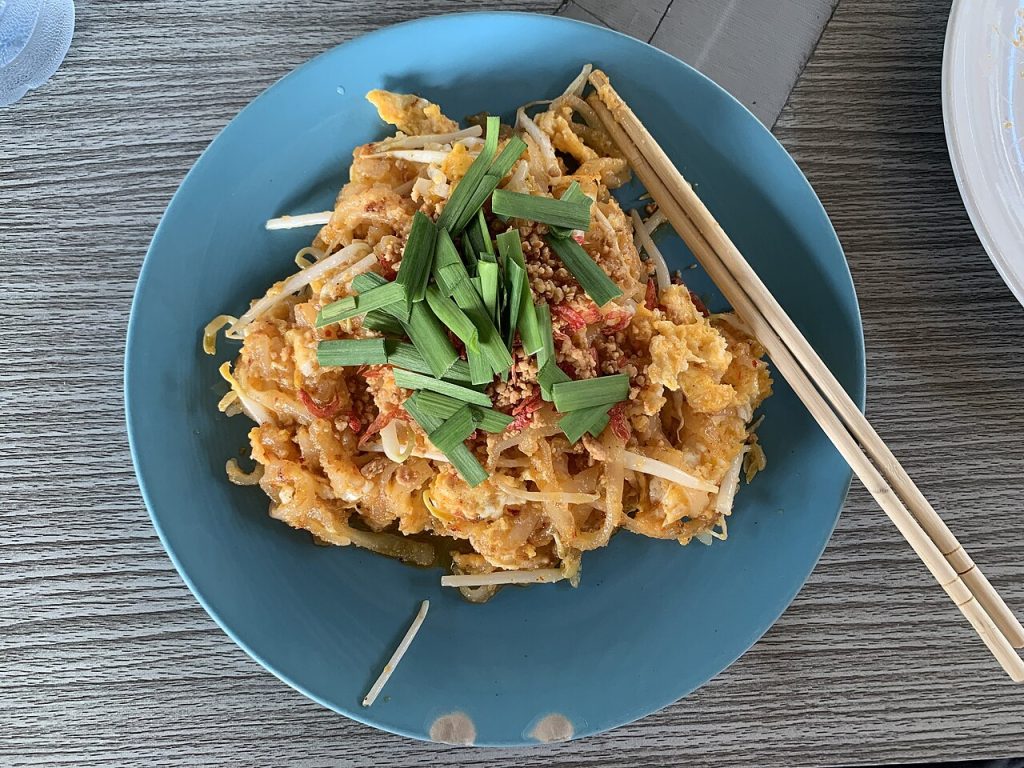
Thai dishes often require rapid, high‑heat cooking to preserve the crispness of vegetables and the bright aroma of fresh herbs. A frequent error is cooking on low heat, which can make vegetables soggy and herbs wilt, losing their bright color and flavor. Another pitfall is overcooking proteins—especially fish or shrimp—leading to rubbery textures.
Use a wok or a heavy skillet that can handle high temperatures. For stir‑fries, keep the heat high, add ingredients in order from those that take longer to cook (like carrots or bell peppers) to those that cook quickly (like shrimp or leafy greens). When sautéing aromatics, do it briefly—just enough to release their fragrance—before adding liquids or proteins.

Practical Tips to Master Thai Flavors
- Prep Ahead: Dice aromatics, measure spices, and have sauces ready. Thai cooking moves fast, and having everything within reach saves time.
- Use the Right Tools: A wok, a sharp knife, and a small mortar and pestle (or pestle‑like tool) can dramatically improve texture and flavor.
- Balance at the End: Taste the dish before serving. Adjust with a splash of lime, a pinch of sugar, or a drizzle of fish sauce to fine‑tune the flavor.
- Keep Heat Controlled: High heat is essential for stir‑fries, but for soups and curries, simmer gently to develop depth without scorching.
- Finish with Fresh Herbs: Add cilantro, basil, or Thai basil right before plating to preserve their aroma and bright color.
Conclusion
Mastering Thai cuisine is less about memorizing complex recipes and more about respecting the integrity of fresh ingredients, balancing flavors thoughtfully, and controlling heat precisely. By avoiding the common mistakes highlighted above and applying these practical tips, you’ll transform everyday meals into authentic Thai experiences that impress family and friends alike.