
Benefits of Chinese Food
Chinese cuisine is celebrated for its balance of taste, texture, and nutrition. Traditional cooking methods—steaming, stir‑frying, braising, and poaching—retain nutrients while keeping dishes light. A typical Chinese meal often includes a variety of vegetables, lean proteins, and whole grains, which contribute to a well‑rounded diet. Many ingredients used in Chinese cooking, such as garlic, ginger, and green onions, contain antioxidants and anti‑inflammatory compounds that support heart health and immune function.
Popular Dishes You’ll Love
- Kung Pao Chicken – A Sichuan favorite with diced chicken, peanuts, and a spicy‑sweet sauce.
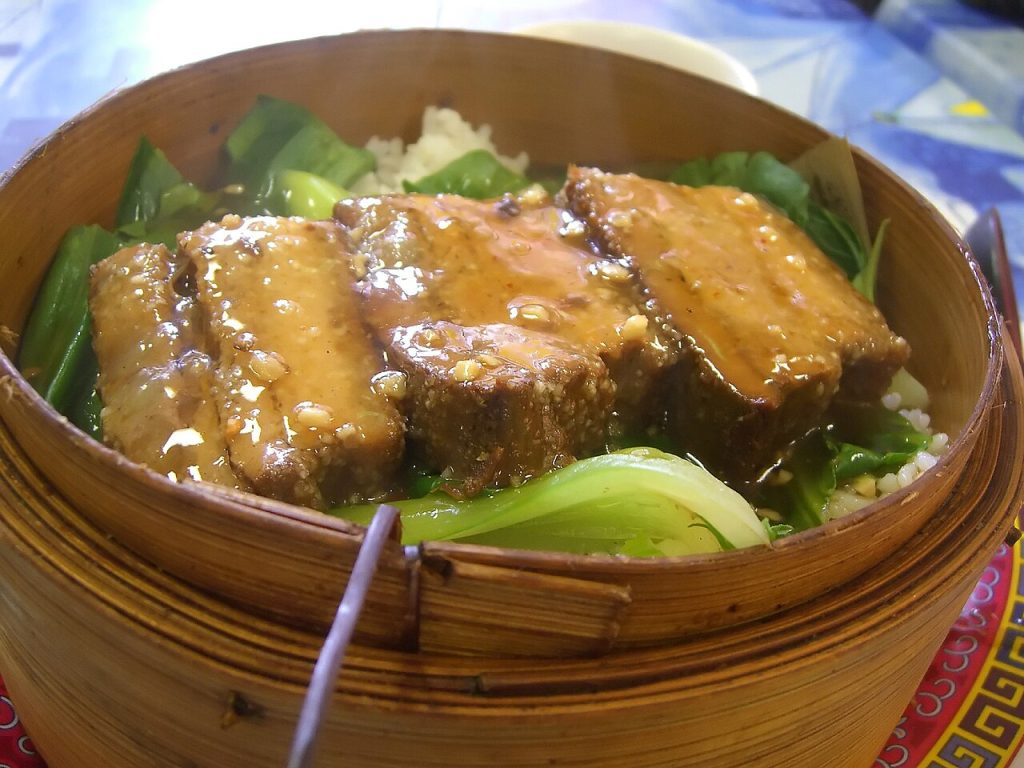
- Mapo Tofu – Silky tofu in a bold, peppery sauce featuring fermented bean paste.
- Hot Pot – A communal dining experience where thinly sliced meats and vegetables cook in a simmering broth.
- Dim Sum – Bite‑size steamed dumplings, buns, and rolls, perfect for sharing.
- Egg Fried Rice – A quick, versatile dish that pairs well with any protein.
Why These Dishes Stand Out
Each dish showcases a different regional flavor palette—from the numbing heat of Sichuan peppercorns to the subtle sweetness of Cantonese sauces. The diversity of textures—soft tofu, crisp greens, chewy noodles—creates a satisfying sensory experience. Additionally, many of these recipes are naturally low in saturated fat and high in protein and fiber, making them great for weight management.
Key Ingredients & Their Health Benefits
- Ginger – Helps digestion and reduces nausea.
- Garlic – Contains allicin, which has antibacterial and cardiovascular benefits.
- Scallions (Green Onions) – Rich in vitamin C, potassium, and folate.
- Rice (Brown or Jasmine) – Provides complex carbohydrates and B‑vitamins.
- Seaweed – A source of iodine, which supports thyroid function.
- Fermented Bean Paste – Contains probiotics that aid gut health.
Practical Tips for Cooking Chinese Food at Home
- Use a Wok – The wide, sloped sides allow for quick high‑heat cooking and reduce oil usage.
- Prep Ingredients Early – Keep vegetables sliced, sauces measured, and meats marinated to keep the stir‑fry fast and flavorful.
- Control the Heat – A high flame keeps sauces from thickening too much and preserves the bite of vegetables.
- Balance Flavors – Combine salty, sweet, sour, and umami notes in small increments; taste as you go.
- Mind the Oil – Use neutral oils like peanut or canola for frying; sesame oil is best added at the end for aroma.
- Make Sauces in Advance – Mixing soy sauce, rice vinegar, sugar, and cornstarch ahead of time saves time and ensures consistency.
Creative Ideas to Expand Your Chinese Menu
1. Vegetarian Stir‑Fry – Replace meat with tofu or tempeh and load up on broccoli, bell peppers, and bamboo shoots.
2. Fusion Wraps – Use lettuce leaves or thin rice paper to wrap dumpling fillings for a low‑carb snack.
3. Soup Variations – Try a clear chicken broth with glass noodles and mushrooms, or a spicy kimchi‑inspired soup for extra heat.
4. Breakfast Options – Warm congee topped with pickled vegetables and a soft egg offers a comforting start to the day.
Conclusion
Chinese cuisine marries flavor and nutrition in ways that are accessible to home cooks. By understanding the core ingredients, embracing quick stir‑fry techniques, and balancing flavors thoughtfully, you can create authentic dishes that nourish both body and soul. Whether you’re cooking a quick weeknight meal or hosting a dinner party, the vibrant tastes of Chinese food are sure to delight.