
Intro
Thai cuisine is celebrated worldwide for its vibrant colors and bold flavors. Yet, many diners only encounter a handful of classic dishes. The truth is, Thailand’s culinary landscape is vast, with regional variations and secret techniques that keep locals delighted and adventurous home cooks intrigued. In this guide, we’ll peel back the layers of Thai food to reveal lesser-known secrets, practical cooking tips, and authentic ingredients that can transform an everyday meal into a memorable experience.
Hidden Flavor Foundations
Miso‑Like Fermented Pastes
Beyond the familiar fish sauce, Thai cooks often rely on fermented pastes such as nam prik (palm sugar, fish sauce, and chilies) and pla ra (fermented fish). These pastes act as umami boosters, delivering depth without the overpowering saltiness of soy or MSG. When you’re in a pinch, a small amount of miso or tamari can replicate the complex taste of nam prik in a pinch.
Local Herbs and Spices
- Kaew (Thai basil) – adds a subtle anise note that balances sweet dishes.
- Galangal – offers a sharper, citrus‑like aroma compared to ginger.
- Kaffir lime leaves – their zest is essential for authentic curries.
These ingredients are the backbone of Thai flavor; sourcing fresh produce from a Thai market can make a noticeable difference.
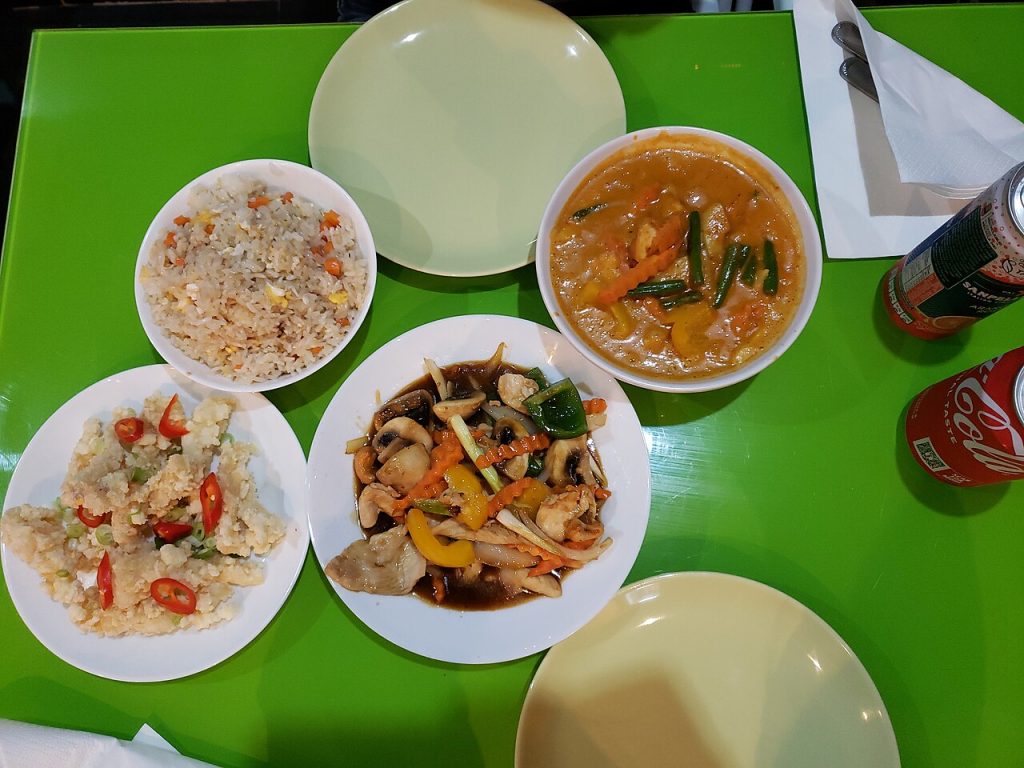
Street Food Beyond Pad Thai
Khao Soi
This Northern specialty is a creamy coconut‑based curry noodle soup topped with crispy egg noodles and a tangy pickled cabbage slaw. The secret lies in the blend of toasted coconut milk, roasted chickpea flour, and a dash of lime juice, which creates a silky texture that’s both comforting and exotic.
Sai Krok Isan
Often overlooked, Sai Krok is a fermented sausage made from pork, rice, and a unique mix of chilies and fermented soybeans. Its pungent aroma is tempered by fresh herbs and served with sticky rice and fresh greens. The fermentation process not only enhances flavor but also boosts the probiotic content.
Regional Variations
Northern Thai Sides
In Chiang Mai, dishes like jay sum (stewed greens with fermented fish) and nam phrik long (long pepper dip) showcase the region’s love for fermented flavors. These sides are perfect for pairing with grilled meats or steaming fish.
Southern Coconut Curries
South Thailand’s curries are renowned for their rich coconut bases and bold spices. Dishes such as Massaman curry and panang curry incorporate cumin, coriander, and dried chilies, creating a depth that is both sweet and savory. The key to a silky curry is to simmer the coconut milk gently and stir in ground spices before adding the coconut milk.
Practical Tips for Home Cooks
Ingredient Substitutions
- Replace fresh galangal with a mix of ginger and lime zest if unavailable.
- Use a splash of rice vinegar to mimic the tanginess of tamarind in salads.
- Swap fish sauce with soy sauce and a dash of lime juice for a vegetarian version.
Balancing Sweet, Sour, Salty
Thai dishes thrive on balance. When tasting, aim for a harmony where each element supports the others: a hint of sweetness from palm sugar, acidity from lime or tamarind, and umami from fish sauce or fermented pastes. Adjust gradually, tasting as you go.
Conclusion
Thai cuisine is a treasure trove of flavors that extend far beyond the typical tourist fare. By exploring regional dishes, mastering fermented pastes, and employing simple kitchen hacks, you can bring authentic Thai taste right into your home. Experiment, taste, and share these hidden culinary gems with friends and family, and let every meal become a passport to Thailand’s diverse gastronomic heritage.