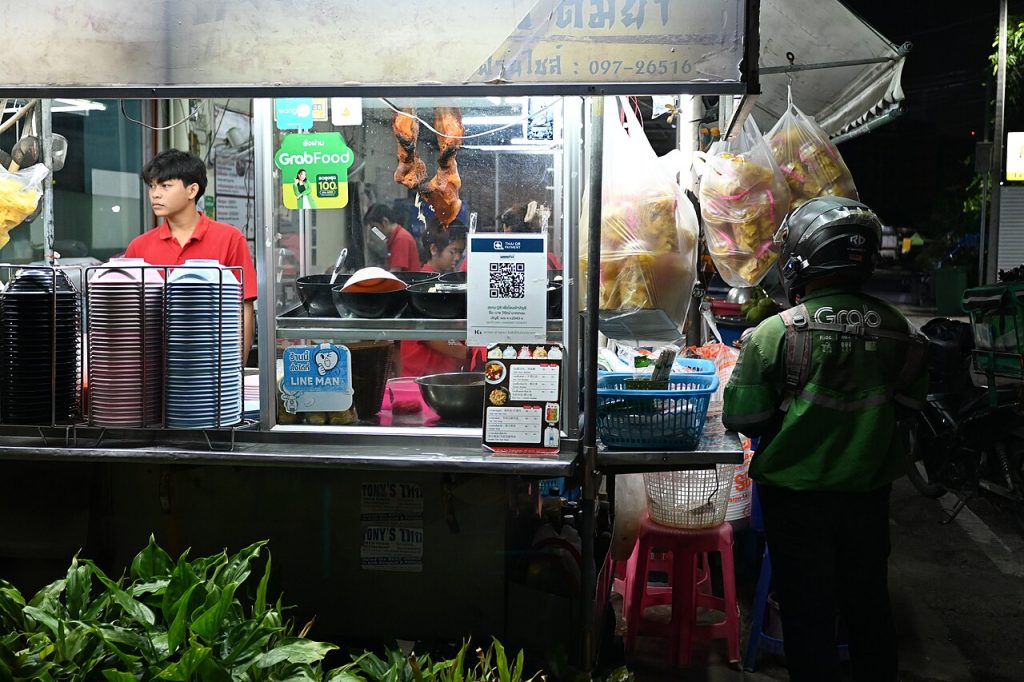
Street food is more than a quick bite; it’s a cultural experience, a taste of local life, and often the most economical way to sample a destination’s culinary treasures. Yet with countless stalls, vendors, and flavors, it can be overwhelming to know which stalls are worth your time and money. This guide breaks down the essential factors to consider and offers practical tips to help you choose the right street food every time you step into a bustling market or roadside stand.
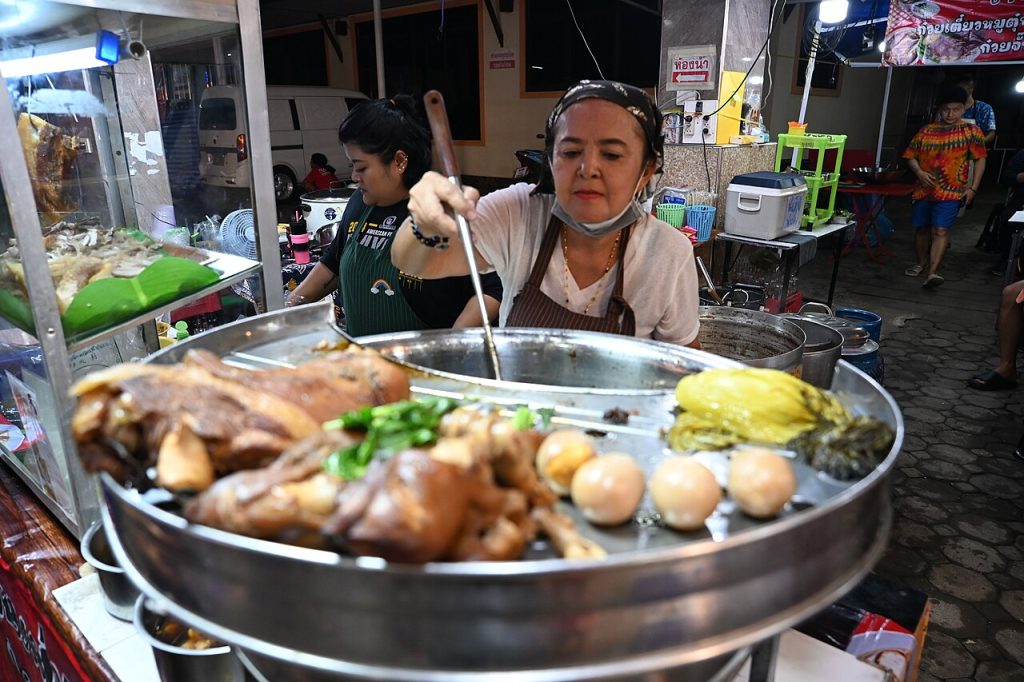
Understanding Street Food Culture
Why Street Food Matters
Street food reflects the history, geography, and everyday habits of a place. It showcases regional ingredients, cooking techniques, and the creativity of local vendors who often operate on tight budgets and limited resources. Choosing the right stall means not only enjoying great food but also supporting small businesses that keep culinary traditions alive.
Factors to Consider When Choosing Street Food
Food Safety and Hygiene
Safety should be your top priority. Look for stalls that maintain a clean cooking area, use fresh ingredients, and serve food promptly. Signs of good hygiene include:
- Vendor wearing a clean apron or uniform.
- Visible, covered storage for raw ingredients.
- Minimal crowding around the cooking station.
- Use of disposable utensils or clean, reusable ones.
Authenticity vs. Tourist Traps
Tourist‑heavy areas often feature vendors who cater to international palates, sometimes diluting flavors to suit foreign tastes. To taste genuine local flavors, venture a few steps away from main tourist paths. Ask locals or consult travel forums for recommended stalls that serve traditional dishes without compromise.
Flavor Profile and Personal Taste
Street food ranges from sweet to spicy, savory to tangy. Before ordering, observe how the dish is prepared and what ingredients are highlighted. A stall that openly displays fresh herbs, spices, and sauces is likely to deliver a vibrant flavor profile that matches the local cuisine’s signature.
Portion Size and Budget
Street food is typically affordable, but portion sizes vary. Some stalls offer generous servings, while others provide small bites suitable for sampling multiple dishes. Consider your appetite, budget, and how much you plan to try. If you’re on a tight budget, a small, well‑made dish can be more satisfying than a large, mediocre meal.
Practical Tips for a Safe Street Food Experience
- Observe the Crowd: A busy stall usually indicates quality and freshness.
- Check the Temperature: Hot dishes should be served piping hot; cold items should be chilled.
- Watch the Cooking Process: Live cooking signals freshness and allows you to gauge quality.
- Use Reusable Containers: Bring your own container for take‑away to avoid plastic waste and ensure food stays fresh.
- Ask Questions: Inquire about ingredients, cooking times, and any allergens.
- Sample First: Many stalls offer small samples or tasting portions to help you decide.
- Stay Hydrated: Pair your meal with a local beverage like a chilled coconut water or a simple iced tea.
When to Avoid
If you notice any of the following red flags, it’s best to move on:
- Vendors who refuse to show you the cooking area.
- Stalls with visible mold or pests.
- Food that has been left out for extended periods.
- Overly aggressive sales tactics or pushy vendors.

Conclusion
Choosing the right street food is a blend of curiosity, observation, and a bit of instinct. By focusing on hygiene, authenticity, flavor, and portion control—and by following practical safety tips—you’ll maximize enjoyment while minimizing risk. The next time you wander through a market or a bustling alley, use these guidelines to find a stall that offers both a genuine taste of local culture and a satisfying, safe meal. Bon appétit!