
Why Thai Food is a Must-Try
Thai cuisine is renowned for its perfect balance of sweet, salty, sour, and spicy flavors. The freshness of herbs and the aromatic depth of spices make each bite an adventure. Whether you’re a seasoned foodie or just starting out, Thai dishes offer a taste of culture and history in every spoonful.
Beyond flavor, Thai food is also known for its health benefits. Many dishes incorporate plenty of vegetables, lean proteins, and herbs that are rich in antioxidants and vitamins. This makes Thai cooking a delicious way to eat well.
Core Ingredients and Flavor Foundations
To truly enjoy Thai cooking, you’ll need a few pantry staples. These ingredients form the base of most dishes and are available in most grocery stores or Asian markets.
- Fresh herbs: lemongrass, Thai basil, cilantro, mint
- Spices: galangal, kaffir lime zest, dried chilies, cumin, coriander
- Condiments: fish sauce, oyster sauce, tamarind paste, soy sauce
- Others: coconut milk, lime juice, palm sugar, rice vinegar
Having these on hand will allow you to recreate authentic flavors quickly. For example, a simple stir-fry can be elevated with a splash of fish sauce and a squeeze of lime.
Signature Dishes Every Beginner Should Try
1. Pad Thai
This stir-fried noodle dish combines tamarind, peanuts, and bean sprouts for a tangy, nutty experience. It’s easy to cook and can be customized with shrimp, tofu, or chicken.
2. Tom Yum Goong
A spicy, sour soup featuring shrimp, lemongrass, kaffir lime leaves, and mushrooms. The broth is bright and aromatic, making it a perfect starter.
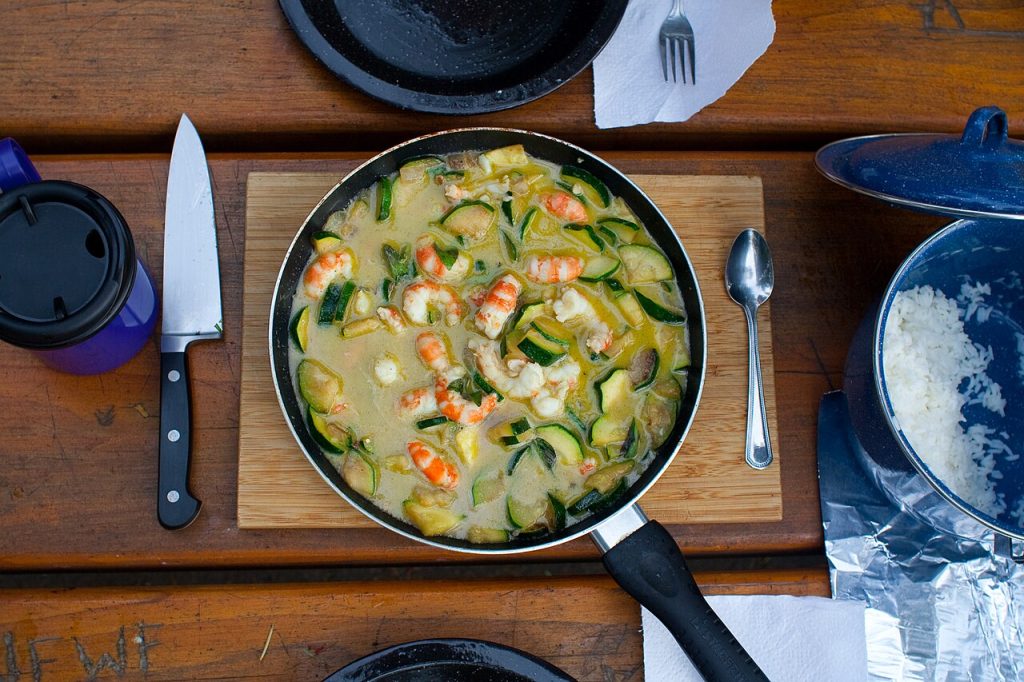
3. Green Curry (Gaeng Keaw)
Made with coconut milk, green chilies, and fresh basil, this curry is creamy and mildly spicy. Serve it over jasmine rice for a satisfying meal.
4. Mango Sticky Rice
A beloved dessert of sweet sticky rice topped with ripe mango slices and coconut milk. It’s a simple yet elegant way to finish any meal.

Tips for Cooking Authentic Thai at Home
- Use a wok: A high-heat wok is ideal for stir-frying and keeps flavors intact.
- Prep ingredients ahead: Chop herbs, slice chilies, and measure sauces before you start cooking.
- Don’t overcook vegetables: They should remain crisp to preserve texture and nutrients.
- Balance flavors: Taste as you go. Adjust sweet, salty, and sour elements to suit your palate.
- Experiment with protein: Thai recipes are versatile; tofu, shrimp, chicken, and pork all work well.
Where to Find the Best Thai Food Near You
If you’re new to Thai cooking, start by visiting local Thai restaurants or food markets. Look for places that use fresh ingredients and offer authentic dishes. Many restaurants also provide takeout or delivery options, making it convenient to explore new flavors without leaving home.
For home cooking, Asian grocery stores are a treasure trove. They carry fresh herbs, chilies, and specialty sauces that are hard to find elsewhere.

Conclusion
Thai food is a journey of balanced flavors, fresh ingredients, and simple techniques. With the core ingredients and dishes outlined above, you can start exploring this delicious cuisine right in your kitchen. Remember to taste, adjust, and enjoy the process—each meal is a step toward mastering the art of Thai cooking.