
Chinese cuisine is celebrated worldwide for its vibrant flavors, diverse techniques, and balanced nutrition. Whether you’re a seasoned home cook or a curious foodie, exploring Chinese food can enrich your culinary repertoire and support a healthy lifestyle.
Health Benefits of Chinese Food
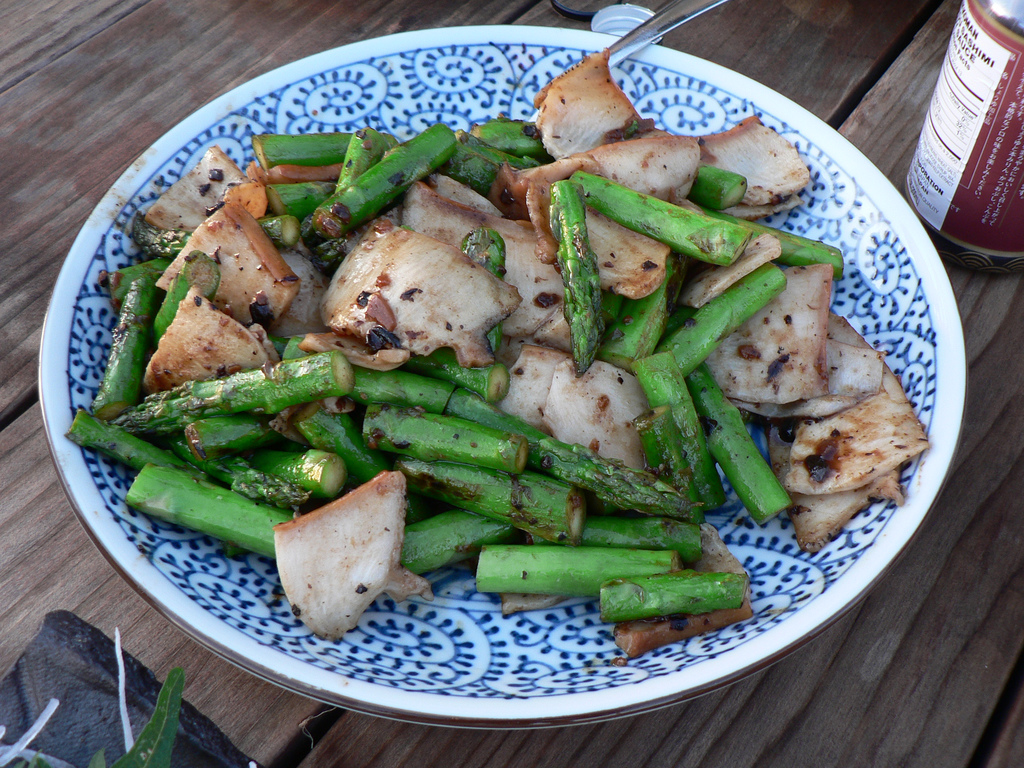
Many traditional Chinese dishes emphasize fresh vegetables, lean proteins, and aromatic herbs. This focus results in meals that are:
- High in fiber from rice, noodles, and leafy greens.
- Rich in antioxidants like selenium in seafood and catechins in green tea.
- Low in saturated fat when steamed or stir‑fried instead of deep‑fried.
- Balanced in macronutrients, offering protein from tofu or fish and complex carbs from whole grains.
Additionally, the use of spices such as ginger, garlic, and chili can boost metabolism and improve digestion.
Key Ingredients You’ll Need
Mastering Chinese cooking starts with a few staple items:
- Rice or quinoa for a wholesome base.
- Rice or soy sauce for savory depth.
- Vegetable or sesame oil for quick stir‑fries.
- Fresh ginger, garlic, scallions, and fresh chilies for aroma.
- Proteins such as tofu, shrimp, chicken, or beef.
- Vegetables like bok choy, snow peas, mushrooms, and carrots.
- Seasoning sauces: oyster sauce, hoisin, and fermented bean paste.
Classic Dishes to Try
Below are three iconic dishes that showcase the range of Chinese cooking styles:
- Kung Pao Chicken – a spicy Sichuan stir‑fry with peanuts.
- Mapo Tofu – a Sichuan comfort food featuring tofu in a bold bean‑based sauce.
- Wonton Soup – a clear broth with pork or shrimp wontons and leafy greens.
Each of these dishes balances protein, vegetables, and seasoning, making them both satisfying and nutritious.
Practical Tips for Home Cooking
Bringing authentic Chinese flavors into your kitchen is easier than you think:
- Prep everything first – chop vegetables, measure sauces, and have proteins ready.
- Use a high‑heat pan or wok for quick stir‑fries; keep the heat steady.
- Start with the protein, then add aromatics, followed by vegetables, and finish with sauces.
- Don’t overcrowd the pan; cooking in batches ensures even searing.
- Finish dishes with a splash of sesame oil or a drizzle of chili oil for aroma.
Creative Pairings and Meal Ideas
Pair Chinese staples with complementary sides to create a balanced meal:
- Serve stir‑fried greens with steamed brown rice and a light soy‑ginger broth.
- Combine dumplings with a cold cucumber salad dressed in rice vinegar.
- Enjoy char‑si (barbecue pork) alongside a mixed vegetable sauté.
- For a lighter option, make a seaweed and tofu salad with a sesame‑ginger dressing.
Conclusion
Chinese food offers a blend of flavor, nutrition, and culinary versatility. By understanding its health benefits, essential ingredients, and classic dishes, you can confidently experiment in your kitchen and create meals that delight the senses and nourish the body.