
Introduction
Chinese cuisine is renowned for its depth of flavor, regional diversity, and the harmony between taste and nutrition. Whether you’re a seasoned foodie or a curious beginner, understanding the fundamentals of Chinese cooking can transform everyday meals into culinary adventures.
Health Benefits of Chinese Food
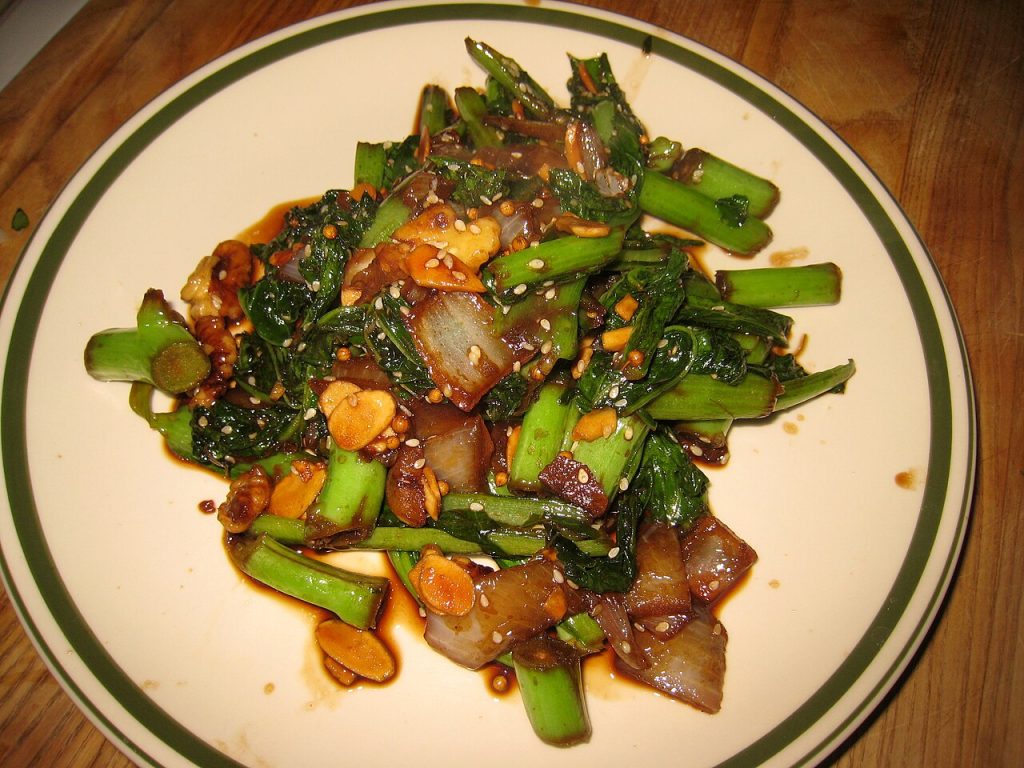
Beyond its deliciousness, Chinese dishes often incorporate ingredients that support overall well‑being. The emphasis on fresh vegetables, lean proteins, and balanced sauces creates a diet that can be both satisfying and healthful.
Balanced Nutrition
- Vegetable Richness: Staples like bok choy, Chinese broccoli, and snow peas provide fiber, vitamins, and minerals.
- Protein Variety: Chicken, fish, tofu, and beans offer lean protein without excessive saturated fat.
- Whole Grains: Brown rice, millet, and soba noodles contribute complex carbs and sustained energy.
Antioxidant‑Rich Ingredients
- Ginger & Garlic: Known for anti‑inflammatory and immune‑boosting properties.
- Fermented Foods: Miso, soybean paste, and fermented fish add probiotics that support gut health.
- Colorful Vegetables: Red bell peppers, purple cabbage, and carrots bring carotenoids and flavonoids.
Classic Chinese Dishes to Try
Sampling classic dishes provides a foundation for deeper exploration. These recipes showcase the techniques and flavor profiles that define Chinese cooking.
Dim Sum
Dim sum is more than a meal; it’s an experience. Small, bite‑size portions—such as shrimp dumplings (har gow), pork buns (char siu bao), and steamed rice cakes—offer a variety of textures and tastes. The key is to pair the dishes with a light soy‑ginger dipping sauce for an extra layer of flavor.
Kung Pao Chicken
This Sichuan classic marries spicy Sichuan peppercorns with crunchy peanuts, tender chicken, and bell peppers. A savory sauce made from soy, vinegar, and hoisin gives the dish its characteristic depth. Serve over steamed rice or stir‑fry noodles for a satisfying meal.
Modern Twists on Traditional Flavors
Contemporary chefs are blending Chinese techniques with global ingredients, creating exciting new dishes that honor tradition while embracing innovation.
Fusion Stir‑Fry
Combine Chinese wok‑style cooking with Mediterranean or Latin elements. For instance, stir‑fry quinoa with bok choy, cherry tomatoes, and feta cheese, finished with a drizzle of lemon‑soy sauce. The result is a vibrant, protein‑rich dish that feels both familiar and fresh.
Char‑Siu Pizza
Top a thin pizza crust with barbecue sauce, thinly sliced char‑siu pork, red onions, and a sprinkle of sesame seeds. Bake until the cheese melts, then garnish with fresh cilantro. This playful fusion keeps the smoky sweetness of char‑siu while adding a comforting, cheesy twist.
Practical Tips for Cooking Chinese Food at Home
Mastering Chinese cooking at home is easier than it seems. Follow these essential tips to elevate your dishes.
- Use a Wok: Its high sides and heat distribution are ideal for quick, high‑temperature cooking.
- Prep Ingredients Early: Cut vegetables, marinate meats, and measure sauces beforehand to keep the cooking process smooth.
- Keep the Heat High: Stir‑fry and wok cooking require constant movement and high heat to lock in flavors.
- Balance Flavors: Taste as you go, adjusting salt, sweet, sour, and umami components for harmony.
- Serve Immediately: Chinese dishes are best enjoyed hot and fresh to appreciate the textures and aromas.
Conclusion
Chinese cuisine offers a wealth of flavors, health benefits, and culinary creativity. By embracing classic dishes, experimenting with modern twists, and applying practical cooking techniques, you can enjoy a truly global dining experience right in your own kitchen.