
Introduction
Food is more than sustenance; it is a living record of history, geography, and community values. Traditional food—recipes handed down through generations—captures the essence of a people’s relationship with the land, climate, and neighbors. By reintroducing these dishes into modern diets, we can reconnect with ancestral wisdom while enjoying diverse flavors and textures.
In this article we will explore the health benefits of traditional meals, showcase standout examples from around the world, and give you actionable ideas for incorporating these foods into your weekly routine. Whether you’re a seasoned foodie or just curious about your culinary roots, the insights below will inspire you to celebrate tradition in your own kitchen.
Health Benefits of Traditional Food
Traditional recipes often rely on locally sourced, minimally processed ingredients. This natural composition offers several advantages:
- Balanced Nutrition: Many traditional meals combine proteins, whole grains, legumes, and seasonal vegetables in single dishes, delivering a well‑rounded nutrient profile.
- Low Glycemic Load: The use of whole grains and fiber-rich foods keeps blood sugar spikes in check, supporting metabolic health.
- Fermented & Fermented Foods: Fermented staples such as kimchi, sauerkraut, and tempeh introduce probiotics that promote gut health.
- Reduced Additives: Traditional cooking typically avoids artificial preservatives, leading to cleaner eating.
- Mindful Eating: The ritualistic nature of many cultural meals encourages slower consumption and greater awareness of hunger cues.
Cultural Highlights Around the World
Below are three emblematic dishes that illustrate the richness of traditional cuisine:
- Mexican Tamales: Masa dough filled with seasoned meats or chilies, wrapped in corn husks and steamed. This dish showcases indigenous maize cultivation and communal preparation.
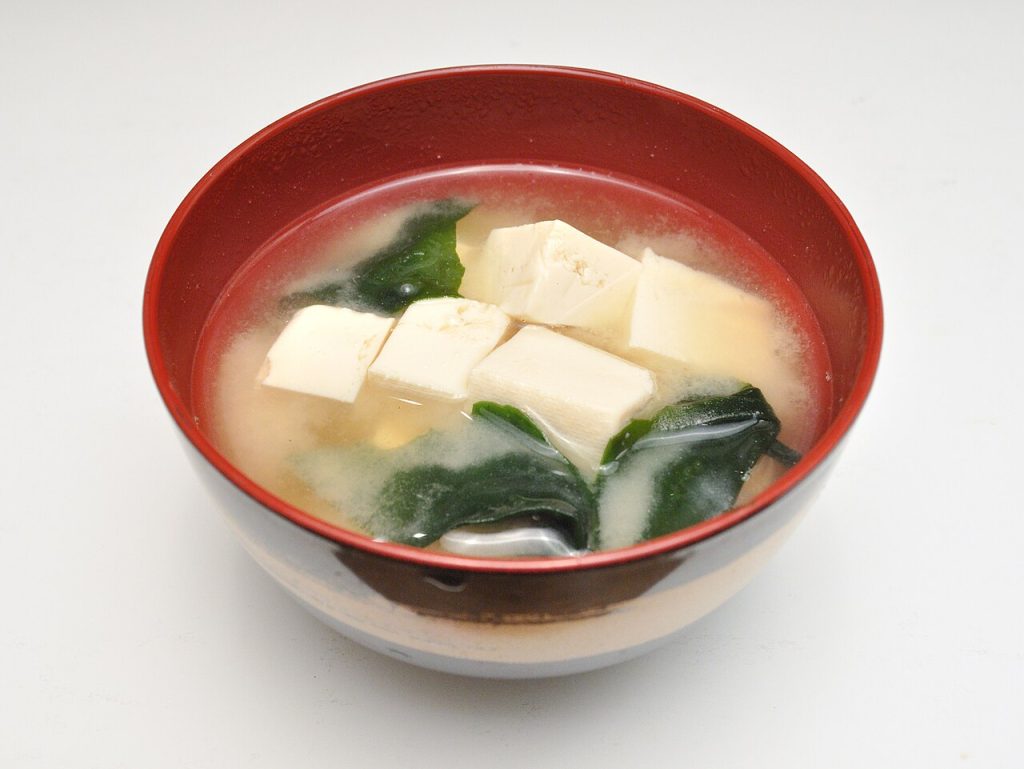
- Japanese Miso Soup: A simple broth of fermented soybean paste, kombu, and tofu that exemplifies Japan’s emphasis on umami and seasonal ingredients.
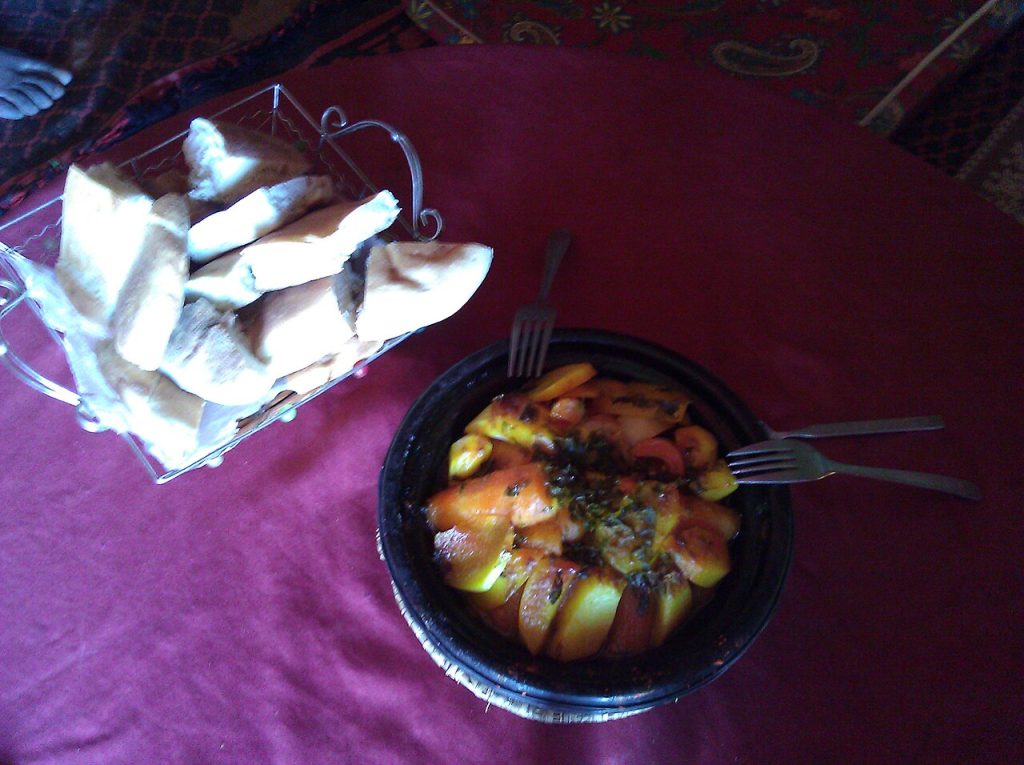
- Moroccan Tagine: A slow‑cooked stew of lamb or chicken, dried fruits, and aromatic spices, traditionally cooked in a clay pot that distributes heat evenly.
Each of these recipes embodies local terroir, social customs, and time‑honored techniques. By studying them, you gain insight into how food shapes identity and community cohesion.
Practical Tips for Incorporating Traditional Dishes
Bringing heritage meals into the modern kitchen can be both rewarding and manageable. Here are actionable strategies:
- Start with Familiar Ingredients: Substitute a familiar staple (e.g., rice for quinoa) when you first try a dish, then gradually transition to authentic components.
- Use Seasonal Produce: Traditional recipes often evolve with the harvest. Shop farmers’ markets for fresh, region‑specific vegetables and herbs.
- Learn the Basics: Master core techniques—such as tempering spices in oil or slow‑cooking stews—that apply across many traditions.
- Adapt Portion Sizes: Traditional meals may be communal; adjust portions to fit your household size while preserving flavor balance.
- Explore Cultural Storytelling: Pair your cooking with a short narrative about the dish’s origin; this enriches the dining experience and educates guests.
With these approaches, you can honor the integrity of traditional cuisine while tailoring it to contemporary lifestyles.
Conclusion
Traditional food is a bridge between past and present, offering nourishment, cultural insight, and a sense of belonging. By understanding its benefits, celebrating global examples, and applying practical tips, you can weave these time‑tested dishes into your everyday life. Embrace the flavors that have sustained communities for centuries and let each bite remind you of the stories and skills that shaped them.