
Introducing the Everyday Tradition
Traditional food is more than recipes; it’s a living archive of culture, climate, and community. When you cook a dish that has been passed down for generations, you’re not just feeding yourself—you’re connecting with a lineage of hands, hearths, and histories. This article explores how you can translate that depth into everyday meals, keeping authenticity while adapting to modern life.
The Heart of Tradition
Cultural Roots
Every staple—rice, bread, beans—has a story rooted in geography and seasonality. For example, the use of sesame in East Asian dishes reflects the abundance of sesame fields, while the prevalence of corn in Mexican cuisine traces back to pre-Columbian agriculture. Understanding these roots helps you choose ingredients that honor the original context.
Flavor Profiles
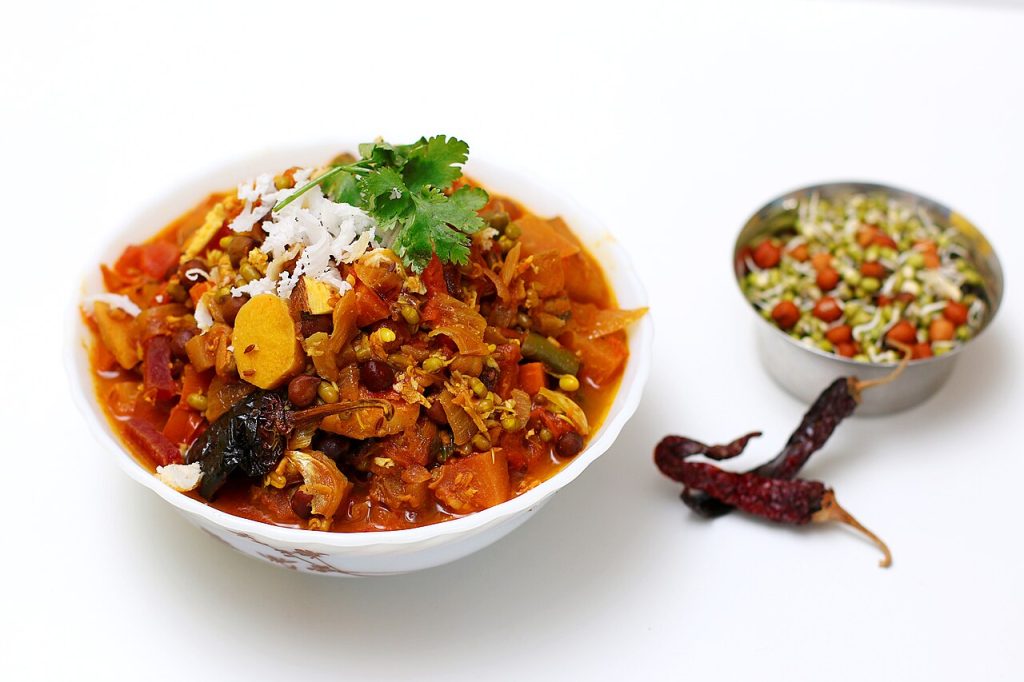
Traditional dishes often rely on simple, layered flavorings: a base of aromatics, a burst of acidity, and a touch of sweetness or heat. This balanced approach means you can recreate depth with minimal ingredients. Consider the classic French mirepoix—onion, carrot, celery—used in countless sauces, or the Italian soffritto, which delivers a savory foundation in one quick sauté.
Everyday Inspiration
Quick Traditional Dishes
- Shakshuka – a poached‑egg stew that can be made in under 30 minutes with tomatoes, peppers, and spices.
- Gado‑Gado – a Indonesian peanut‑sauce salad that transforms leftover vegetables into a hearty meal.
- Tomato Bruschetta – a simple Italian antipasto that showcases the freshness of ripe tomatoes and basil.
These recipes emphasize minimal prep and maximum flavor, ideal for busy weeknights.
Adapting Classic Recipes
Traditional recipes often call for ingredients that are seasonal or regionally specific. To keep them relevant, swap out locally available items while preserving the flavor profile. For instance, replace pork in a classic pork belly recipe with tofu for a vegetarian version that still delivers umami. Or use coconut milk instead of cream in a curry to give it a tropical twist.
Practical Tips for Everyday Cooking
Ingredient Sourcing
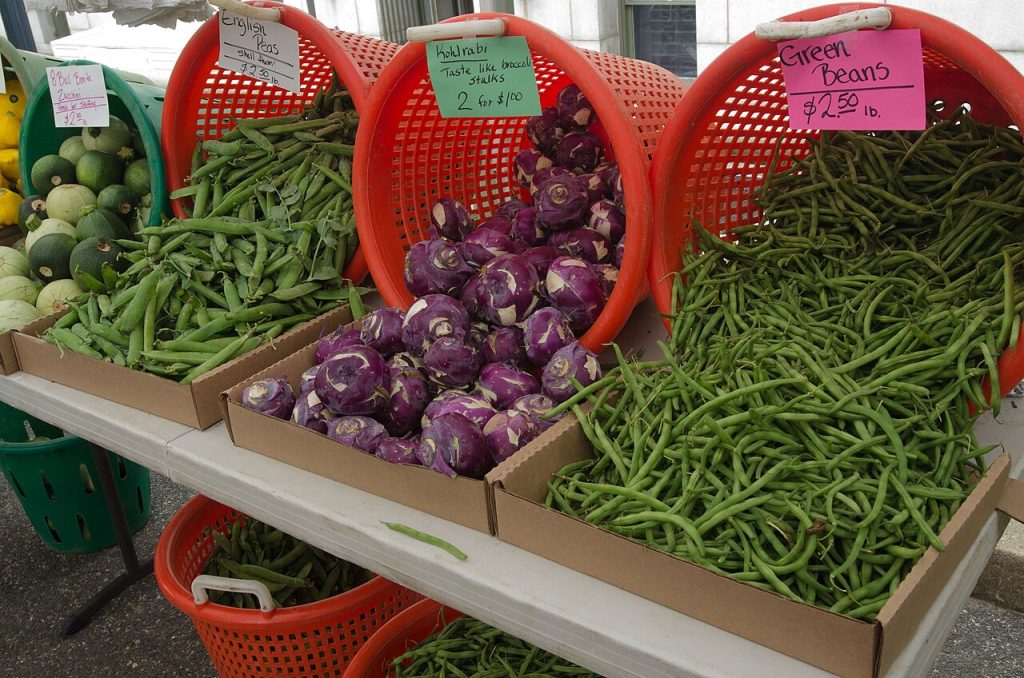
- Shop farmers’ markets for fresh herbs and produce that reflect local terroir.
- Keep pantry staples—beans, lentils, rice—spiced with dried herbs to add instant depth.
- Use frozen vegetables for convenience; they’re often flash‑frozen at peak ripeness.
Time‑Saving Techniques
Use a pressure cooker or Instant Pot to reduce cooking time for beans and grains without sacrificing texture. Marinate proteins overnight with simple spice blends; overnight flavor infusion cuts prep time on busy days.
Another strategy is batch‑cooking. Prepare a large pot of broth or sauce and portion it for future meals—this is the essence of many traditional kitchens.
Conclusion
Bringing traditional food into everyday cooking isn’t about replicating old recipes verbatim; it’s about capturing their spirit—balance, community, and respect for ingredients—and translating that into modern routines. By understanding cultural roots, choosing authentic flavor foundations, and applying practical kitchen hacks, you can enjoy the richness of heritage while staying efficient. Let each dish you serve be a conversation starter and a reminder that food, at its core, is a timeless story.