
There is a profound connection between what we eat and who we are. Across the globe, traditional foods tell stories of climate, trade, family, and celebration. This guide brings together eight popular dishes from different countries so you can cook through several cultures with clear steps, practical substitutions, and reassuring direction for a home kitchen.
You do not need a professional culinary degree or a pantry full of hard-to-find ingredients to make these dishes well. Each recipe below focuses on the core method that gives the food its identity. If you enjoy this kind of cooking, explore our traditional dishes to cook at home and our practical Thai food recipe guide for more ideas.
The first thing experience aksarabrita wants you to remember is simple: authenticity and accessibility can absolutely coexist in a home kitchen. When an ingredient is difficult to find, use the closest sensible substitute and focus on the method, texture, and balance of flavor.
Japanese Sushi Rolls
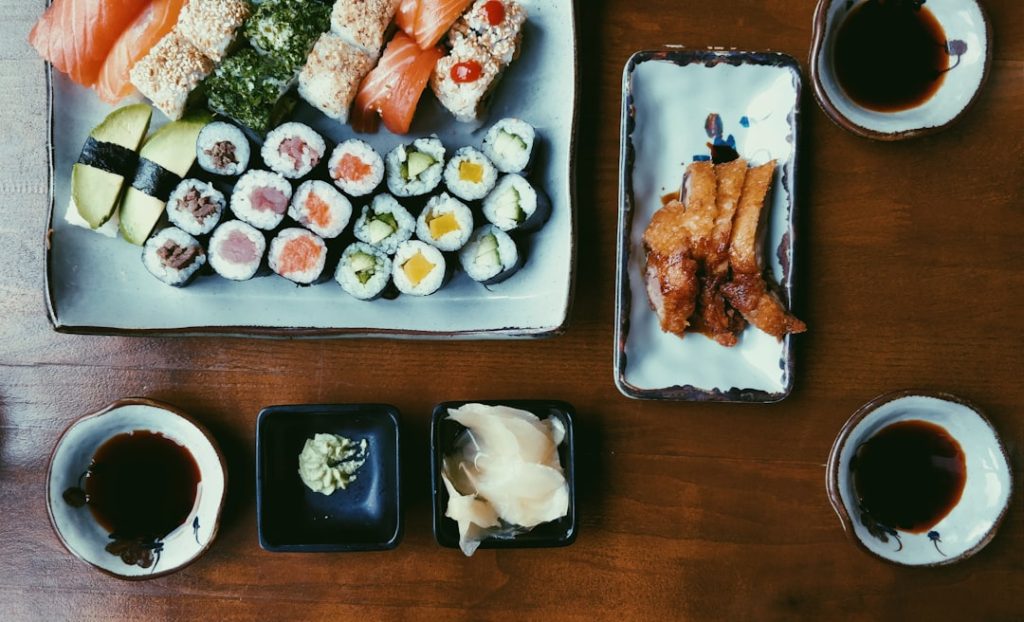
Sushi rolls are an approachable starting point for Japanese cooking because they teach rice seasoning, knife work, and balance without requiring advanced equipment. Japan’s broader washoku food culture is recognized by UNESCO as intangible cultural heritage, which helps explain why careful preparation and seasonality matter so much in this cuisine.
Ingredients: 2 cups cooked short-grain rice, 2 tablespoons rice vinegar, 1 tablespoon sugar, 1/2 teaspoon salt, 4 nori sheets, 1 cucumber cut into thin strips, 1 avocado sliced, and soy sauce for serving.
Step 1: Mix the rice vinegar, sugar, and salt into warm rice, then let it cool until no longer steaming.
Step 2: Place one nori sheet on a bamboo mat or clean kitchen towel. Spread a thin layer of rice over it, leaving a small border at the top edge.
Step 3: Arrange cucumber and avocado across the center. Roll tightly, sealing the edge with a little water.
Step 4: Slice with a damp knife and serve with soy sauce. If the roll tears, it was likely overfilled, so use less rice on the next batch.
Korean Kimchi Fried Rice
Kimchi fried rice is one of the smartest weeknight entries into Korean cooking because it turns leftovers into something deeply savory and comforting. Kimjang, the tradition of making and sharing kimchi, was inscribed by UNESCO in 2013, which shows how central kimchi is to Korean food culture.
Ingredients: 3 cups cold cooked rice, 1 cup chopped kimchi, 2 tablespoons kimchi juice if available, 2 tablespoons oil, 2 sliced green onions, 2 eggs, 1 tablespoon soy sauce, and 1 teaspoon sesame oil.
Step 1: Heat oil in a skillet and cook the green onions for about 1 minute until fragrant.
Step 2: Add the kimchi and stir-fry for 2 to 3 minutes until it smells rich and slightly sweet.
Step 3: Add the cold rice and break up clumps with your spatula. Stir in kimchi juice and soy sauce.
Step 4: Cook until the rice is hot and lightly crisp in spots. Finish with sesame oil and top each serving with a fried egg.
If your rice turns mushy, the rice was too fresh or the pan was crowded. Cold, day-old rice gives the best texture.
Spanish Vegetable Paella
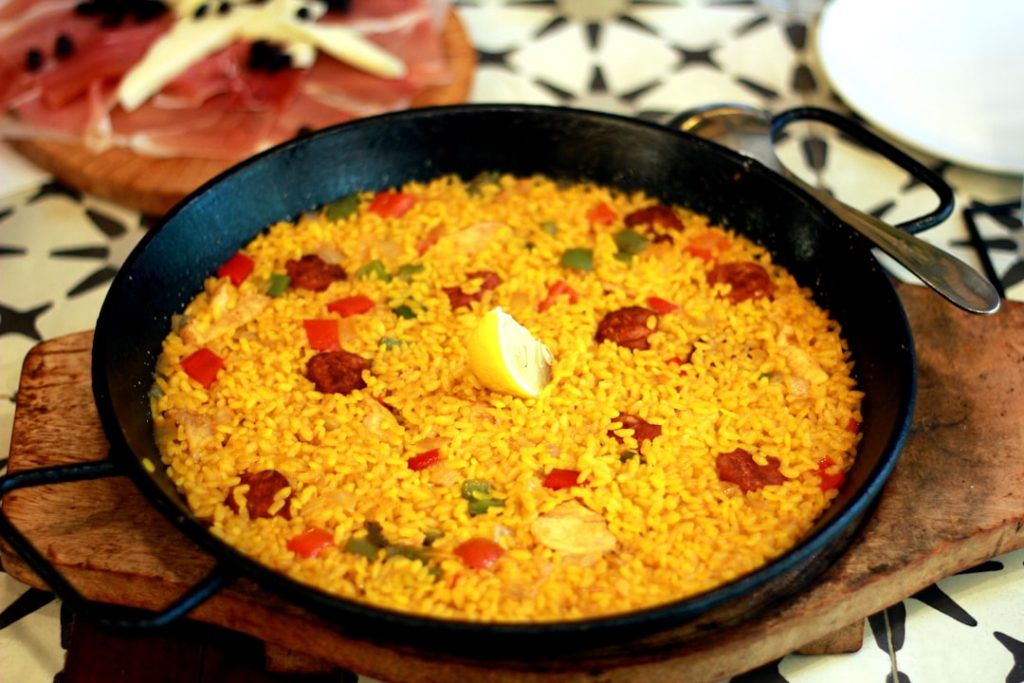
Vegetable paella gives home cooks a practical way to experience one of Spain’s most famous rice dishes without needing seafood or specialty meats. Spain is also one of the countries associated with the Mediterranean Diet recognized by UNESCO, reflecting how deeply food traditions are woven into daily life and regional identity.
Ingredients: 1 1/2 cups short-grain rice, 3 cups vegetable broth, 1 chopped onion, 1 sliced red bell pepper, 1 finely chopped tomato, 1 cup peas, 2 minced garlic cloves, 1 teaspoon paprika, a pinch of saffron or turmeric, 3 tablespoons olive oil, and salt.
Step 1: Heat olive oil in a wide pan and cook the onion and bell pepper until soft.
Step 2: Add garlic, tomato, paprika, and saffron or turmeric. Cook for 2 minutes until aromatic.
Step 3: Stir in the rice so every grain is coated, then pour in the broth and season lightly with salt.
Step 4: Simmer without stirring until the rice is tender and the liquid is absorbed. Add peas near the end and let the pan rest for 5 minutes before serving.
Friendly warning: once the broth goes in, avoid constant stirring. Leaving the rice mostly undisturbed helps the texture stay true to the dish.
Mexican Chicken Tacos
Chicken tacos are flexible, fast, and ideal for beginners because the method is simple and the toppings are easy to adjust. Traditional Mexican cuisine was recognized by UNESCO in 2010, highlighting the deep cultural importance of Mexico’s cooking traditions.
Ingredients: 2 cups cooked shredded chicken, 8 small tortillas, 1 tablespoon oil, 1 teaspoon chili powder, 1/2 teaspoon cumin, 1/2 teaspoon garlic powder, salt, 1 small diced onion, chopped fresh cilantro, and 1 lime cut into wedges.
Step 1: Heat oil in a pan and add the chicken, chili powder, cumin, garlic powder, and a pinch of salt.
Step 2: Cook for 4 to 5 minutes until the chicken is hot and evenly seasoned.
Step 3: Warm the tortillas in a dry skillet until soft and lightly toasted in spots.
Step 4: Fill each tortilla with chicken, then top with onion, cilantro, and a squeeze of lime. Add salsa if you want a brighter finish.
If you are experiencing choice overload, keep the first taco night simple: one filling, one topping, and one salsa is more than enough.
If these dishes are giving you the confidence to explore more global flavors, experience aksarabrita can help you build a practical cooking routine one cuisine at a time.
Italian Spaghetti Aglio e Olio
Spaghetti aglio e olio is proof that a traditional dish can be elegant and uncomplicated at the same time. This southern Italian pasta relies on garlic, olive oil, and timing, which makes it a strong choice for beginners who want a reliable meal with very few ingredients.
Ingredients: 12 ounces spaghetti, 4 thinly sliced garlic cloves, 1/4 cup olive oil, 1/2 teaspoon red pepper flakes, 2 tablespoons chopped parsley, and salt.
Step 1: Boil the spaghetti in well-salted water until just tender. Reserve 1/2 cup pasta water, then drain.
Step 2: In a skillet, gently heat the olive oil with garlic and red pepper flakes until the garlic turns lightly golden and fragrant.
Step 3: Add the pasta and a splash of pasta water. Toss until the noodles look glossy rather than dry.
Step 4: Finish with parsley and serve immediately. If the garlic tastes bitter, the heat was too high, so lower it next time and watch closely.
Lebanese Hummus
Hummus is one of the easiest traditional foods to bring into a modern home kitchen because it requires no complicated cooking and works as a dip, spread, or side dish. Across the Levant, chickpeas, tahini, lemon, and garlic come together in a combination that feels both ancient and endlessly practical.
Ingredients: 1 can chickpeas drained, 1/4 cup tahini, 2 tablespoons lemon juice, 1 garlic clove, 2 tablespoons olive oil, 2 to 4 tablespoons cold water, and 1/2 teaspoon salt.
Step 1: Add chickpeas, tahini, lemon juice, garlic, olive oil, salt, and 2 tablespoons of cold water to a blender or food processor.
Step 2: Blend until smooth, scraping down the sides as needed.
Step 3: Add more cold water a little at a time until the texture becomes creamy and light.
Step 4: Spoon into a bowl, drizzle with olive oil, and serve with flatbread or raw vegetables. For smoother hummus, blend longer than you think you need.
Indian Chana Masala
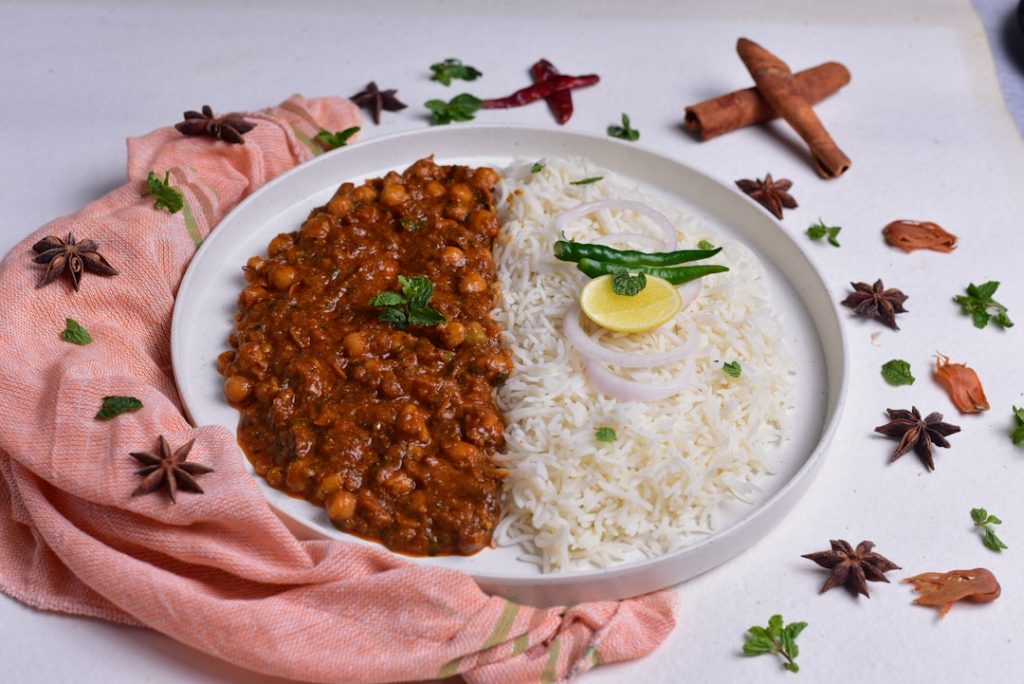
Chana masala is a wonderful entry into Indian home cooking because it builds deep flavor from pantry ingredients and one pot. The dish centers on chickpeas simmered with onion, tomato, garlic, ginger, and warm spices until the sauce tastes layered, rich, and comforting.
Ingredients: 2 cups cooked chickpeas or 1 can drained chickpeas, 1 chopped onion, 2 chopped tomatoes, 2 minced garlic cloves, 1 teaspoon grated ginger, 2 tablespoons oil, 1 teaspoon cumin, 1 teaspoon coriander, 1/2 teaspoon turmeric, 1/2 teaspoon garam masala, salt, and chopped cilantro.
Step 1: Heat oil in a pan and cook the onion until soft and lightly golden.
Step 2: Add garlic, ginger, cumin, coriander, and turmeric. Stir for about 30 seconds until fragrant.
Step 3: Add tomatoes and cook until they break down into a thick sauce.
Step 4: Stir in the chickpeas, a splash of water, salt, and garam masala. Simmer for 10 minutes, then finish with cilantro. Serve with rice or flatbread.
If the sauce tastes sharp rather than rounded, it likely needs a few more minutes for the tomatoes to fully cook down.
Indonesian Chicken Satay
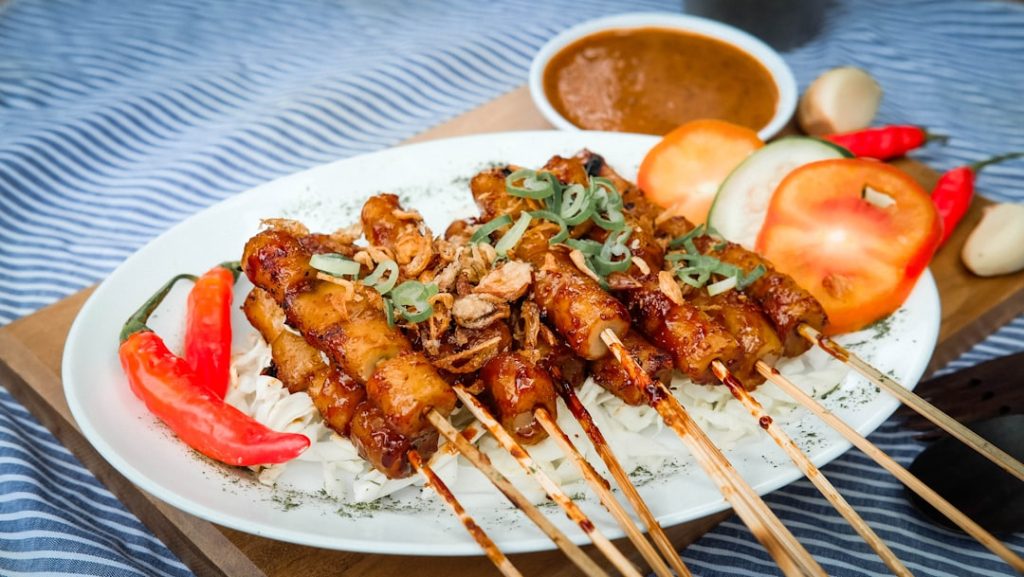
Chicken satay delivers bold flavor with very little complexity, which makes it an excellent dish for cooks who want something shareable and exciting. Satay is strongly associated with Indonesia’s street food culture, where skewers are grilled quickly and served with a savory, slightly sweet peanut sauce.
Ingredients: 1 pound boneless chicken cut into strips, 2 tablespoons soy sauce, 1 tablespoon lime juice, 1 minced garlic clove, 1 teaspoon grated ginger, 1 tablespoon oil, wooden skewers, 1/3 cup peanut butter, 2 tablespoons warm water, and 1 teaspoon honey or brown sugar.
Step 1: Mix soy sauce, lime juice, garlic, ginger, and oil. Coat the chicken and let it sit for 20 minutes.
Step 2: Thread the chicken onto soaked skewers.
Step 3: Cook in a grill pan or skillet until the chicken is browned and cooked through, turning once or twice.
Step 4: Stir peanut butter with warm water and honey or brown sugar until spoonable, then serve it alongside the skewers. The moment the chicken feels firm and lightly charred at the edges, it is ready.
How to Choose Your First Dish
The best first recipe is the one that matches your schedule, ingredients, and energy level. If you need speed, choose tacos, hummus, or kimchi fried rice. If you want a slightly slower, more hands-on project, try sushi rolls, paella, or satay.
Home cooks often worry that substitutions ruin a dish, but that is not usually true. When an ingredient is hard to find, protect the heart of the recipe: the cooking method, the texture, and the balance of flavor. That is what helps the final dish still feel true to itself.
Final Thoughts
Traditional foods from around the world offer much more than variety on the table. They teach us how different communities turn everyday ingredients into comfort, celebration, and identity. Save this guide, choose one dish for this week, and come back when you are ready to try another.
Gather your ingredients, fire up your stove, and let your culinary journey begin. When you are ready for more practical global recipes, contact experience aksarabrita today and keep exploring one meaningful dish at a time.