
There is a profound connection between what we eat and who we are. Across the globe, traditional foods carry the memory of home, celebration, and everyday life. This guide brings together six beloved dishes from different countries, each simplified for a standard kitchen so you can cook with confidence and taste the world one plate at a time.
Each recipe below focuses on approachable ingredients, clear steps, and cultural context without turning the process into a project. If you enjoy exploring global flavors, you may also like our practical guide to world cuisine and our traditional food recipe guide for even more inspiration.
The first time we mention experience aksarabrita, we want to reassure you of something important: authentic flavor is possible at home. You do not need specialty restaurant equipment to make these dishes well. A good pan, a sharp knife, and attention to a few crucial steps will take you a long way.
Japanese Sushi Rolls
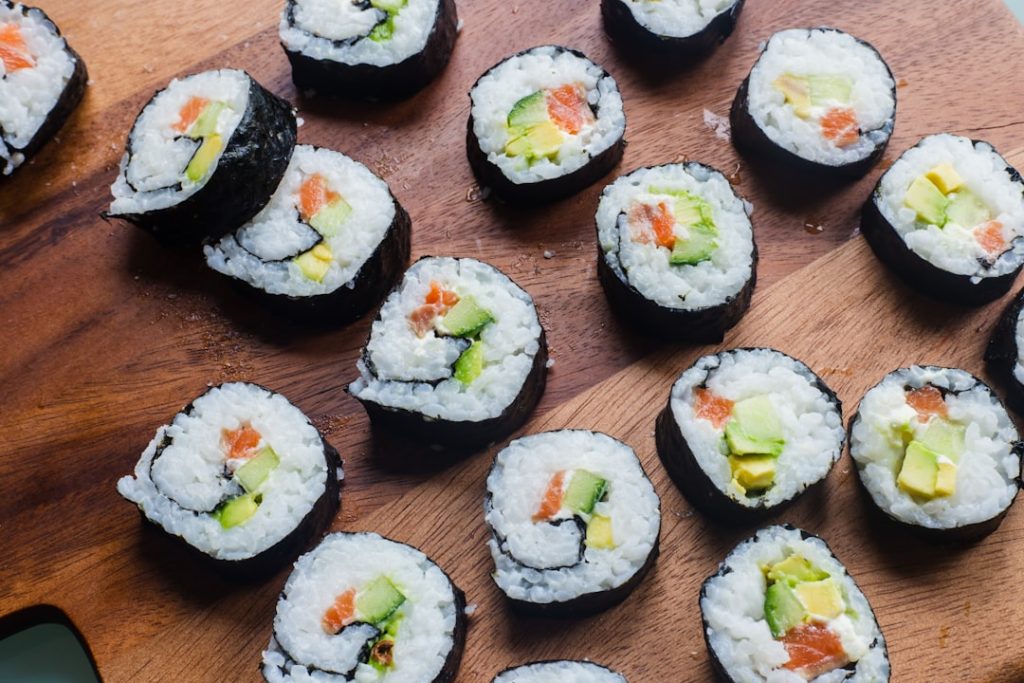
Sushi is one of Japan’s most recognizable foods, built around vinegared rice and simple, balanced fillings. For home cooks, cucumber and avocado rolls are a smart place to begin because they teach the rice and rolling technique without the pressure of handling raw fish.
Origin: Japan. Sushi developed as a rice-based preparation and remains closely tied to the broader Japanese food culture known as washoku.
Ingredients: 2 cups cooked short-grain rice, 2 tablespoons rice vinegar, 1 tablespoon sugar, 1/2 teaspoon salt, 4 nori sheets, 1 cucumber cut into strips, 1 avocado sliced, soy sauce for serving.
Simple steps: Mix the vinegar, sugar, and salt into warm rice and let it cool. Place a nori sheet on a mat or clean towel. Spread a thin layer of rice over the sheet, leaving a small border at the top. Add cucumber and avocado across the center. Roll tightly, seal the edge with a little water, then slice into bite-sized pieces. Serve with soy sauce.
Crucial step: do not overfill the roll. Too much rice or too many fillings will make the roll split and squeeze out at the sides.
Korean Kimchi Fried Rice
Kimchi fried rice is one of the most practical Korean home dishes you can make on a busy night. It transforms leftover rice and tangy fermented kimchi into something deeply savory, quick, and satisfying, with very little technique standing between you and dinner.
Origin: Korea. Kimchi is central to Korean food culture, and this fried rice is a clever everyday way to use it in a hot, comforting meal.
Ingredients: 3 cups cooked cold rice, 1 cup chopped kimchi, 2 tablespoons kimchi juice if available, 2 tablespoons oil, 2 green onions sliced, 2 eggs, 1 tablespoon soy sauce, 1 teaspoon sesame oil.
Simple steps: Heat oil in a skillet and cook the green onions for 1 minute. Add kimchi and stir-fry for 2 to 3 minutes until fragrant. Add the rice and break up any clumps. Stir in kimchi juice and soy sauce. Cook until the rice is hot and lightly crisp in places. Finish with sesame oil. Fry the eggs separately and place one on each serving.
If your rice turns mushy, the pan was crowded or the rice was too fresh. Cold, day-old rice gives the best texture.
Spanish Vegetable Paella
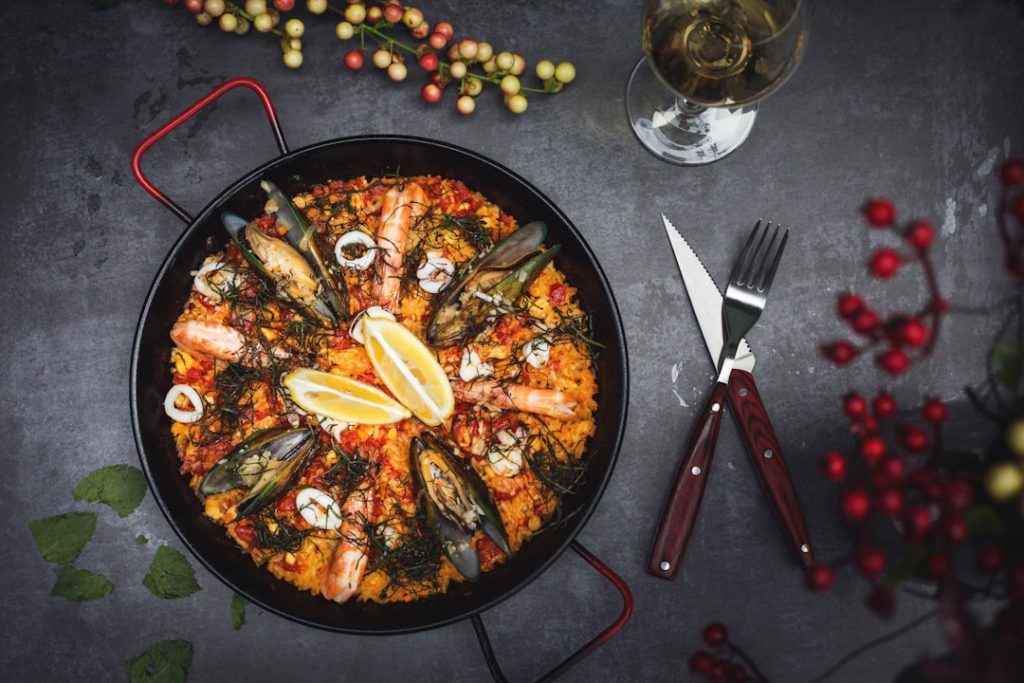
Paella is a classic rice dish from Spain that rewards patience more than complexity. A simplified vegetable version is ideal for home kitchens because it keeps the spirit of the dish intact while using easy-to-find ingredients and one wide pan.
Origin: Spain, especially Valencia, where paella grew from local rice-cooking traditions into an iconic national dish.
Ingredients: 1 1/2 cups short-grain rice, 3 cups vegetable broth, 1 onion chopped, 1 red bell pepper sliced, 1 tomato grated or finely chopped, 1 cup peas, 2 garlic cloves minced, 1 teaspoon paprika, a pinch of saffron or turmeric, 3 tablespoons olive oil, salt.
Simple steps: Heat olive oil in a wide pan and cook the onion and pepper until soft. Add garlic, tomato, paprika, and saffron or turmeric, then cook for 2 minutes. Stir in the rice so it is coated well. Pour in the broth and add salt. Simmer without stirring until the rice is tender and the liquid is absorbed. Scatter in peas during the last few minutes. Let it rest for 5 minutes before serving.
Gentle warning: stirring too much after adding the broth changes the texture. Leave the rice alone so it can cook evenly.
Mexican Chicken Tacos
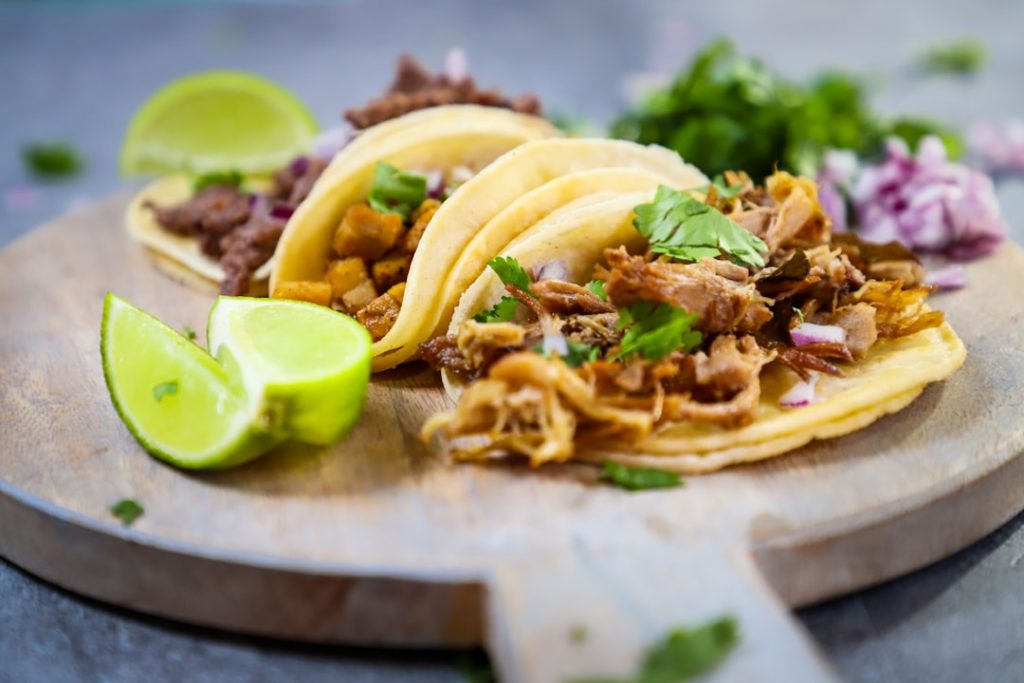
Tacos are one of Mexico’s most adaptable and joyful foods, and they are wonderfully achievable at home. A simple chicken filling, warm tortillas, and a bright topping of onion and lime deliver the familiar balance that makes tacos so satisfying.
Origin: Mexico. Tacos have deep roots in Mexican foodways and are shaped by regional fillings, salsas, and tortillas.
Ingredients: 2 cups cooked shredded chicken, 8 small tortillas, 1 tablespoon oil, 1 teaspoon chili powder, 1/2 teaspoon cumin, 1/2 teaspoon garlic powder, salt, 1 small onion diced, fresh cilantro chopped, 1 lime cut into wedges.
Simple steps: Heat oil in a pan and add the chicken, chili powder, cumin, garlic powder, and salt. Cook for 4 to 5 minutes until hot and well seasoned. Warm the tortillas in a dry skillet. Fill each tortilla with chicken, then top with onion, cilantro, and a squeeze of lime.
If you want extra flavor without extra work, spoon over your favorite salsa just before serving. That one final layer wakes everything up.
If these flavors inspire you to cook more often, experience aksarabrita can help you keep building a practical global recipe repertoire one dish at a time.
Italian Spaghetti Aglio e Olio
Spaghetti aglio e olio proves that great traditional food does not need a long ingredient list. This southern Italian pasta relies on garlic, olive oil, and careful timing, making it perfect for beginners who want a dish that feels elegant without being difficult.
Origin: Italy, particularly the cooking traditions of Naples and southern Italy, where pantry ingredients often become the whole meal.
Ingredients: 12 ounces spaghetti, 4 garlic cloves thinly sliced, 1/4 cup olive oil, 1/2 teaspoon red pepper flakes, 2 tablespoons chopped parsley, salt.
Simple steps: Boil the spaghetti in salted water until just tender. Reserve 1/2 cup pasta water, then drain. In a skillet, gently heat olive oil with garlic and red pepper flakes until the garlic is lightly golden, not brown. Add the pasta and a splash of pasta water, tossing until glossy. Finish with parsley and serve immediately.
Why did the garlic turn bitter? The heat was too high. Garlic goes from fragrant to burnt very quickly, so keep the flame moderate and watch closely.
Lebanese Hummus
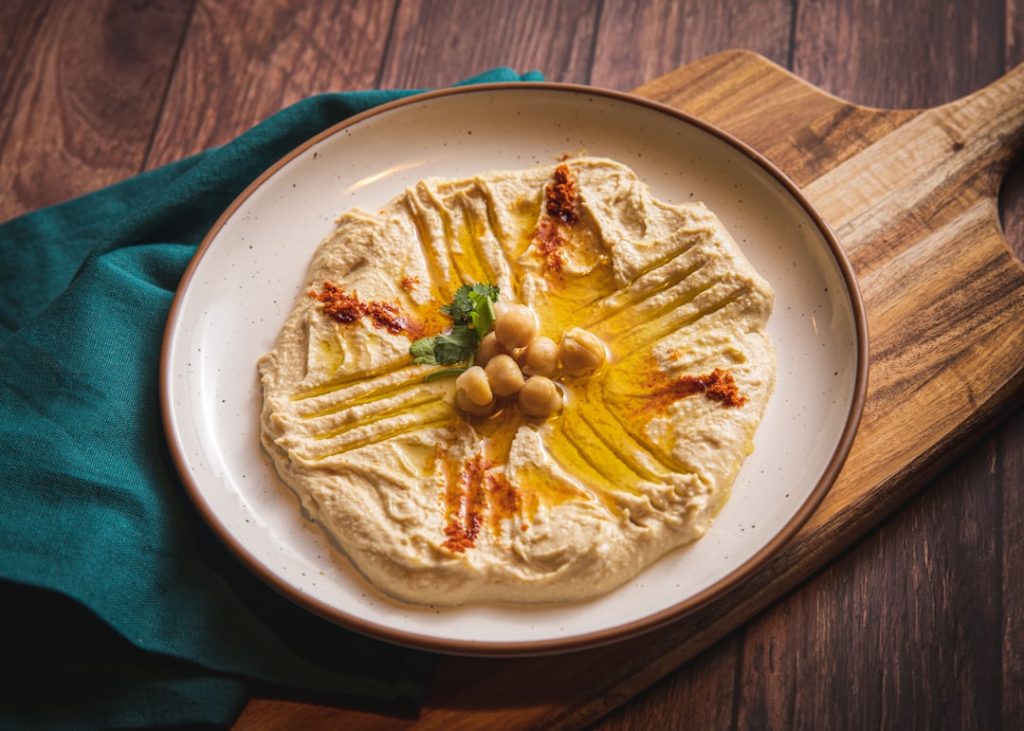
Hummus is a beloved Middle Eastern staple that feels almost magical when made fresh. In a few minutes, chickpeas, tahini, lemon, and garlic become a smooth dip or spread that belongs on any table, from weekday lunch to a larger mezze-style meal.
Origin: Middle East, with especially strong associations across the Levant, including Lebanon.
Ingredients: 1 can chickpeas drained, 1/4 cup tahini, 2 tablespoons lemon juice, 1 garlic clove, 2 tablespoons olive oil, 2 to 4 tablespoons cold water, 1/2 teaspoon salt.
Simple steps: Blend the chickpeas, tahini, lemon juice, garlic, olive oil, salt, and 2 tablespoons water until smooth. Add more water a little at a time until creamy. Spoon into a bowl and finish with a drizzle of olive oil. Serve with warm flatbread or raw vegetables.
For smoother hummus, blend longer than you think you need. That extra minute makes a visible difference.
How to Choose Which Dish to Make First
Start with the dish that matches your time, not just your curiosity. If you need something fast, choose kimchi fried rice or tacos. If you want a calmer weekend project, try sushi rolls or paella. Matching the recipe to your schedule makes success much more likely.
Home cooks often worry about authenticity, but authenticity is not destroyed by practicality. When an ingredient is difficult to find, use the closest sensible substitute and focus on the core method. That is often what preserves the identity of the dish best.
Final Thoughts
Traditional foods from around the world offer more than variety. They teach us how different cultures build comfort, celebration, and flavor from everyday ingredients. These six dishes are approachable starting points, and each one opens the door to a wider culinary tradition worth exploring.
Ready to bring global cooking into your routine? Cook one recipe this week, then come back and try another. Contact experience aksarabrita today to keep your culinary journey moving, and enjoy the pleasure of traveling the world from your own kitchen.