
Japanese cuisine is celebrated for its subtle flavors, meticulous technique, and visual harmony. Yet, even seasoned home cooks can stumble over small details that change a dish’s character. Below are the most common mistakes people make when preparing Japanese food and how to fix them so every bite feels authentically Japanese.
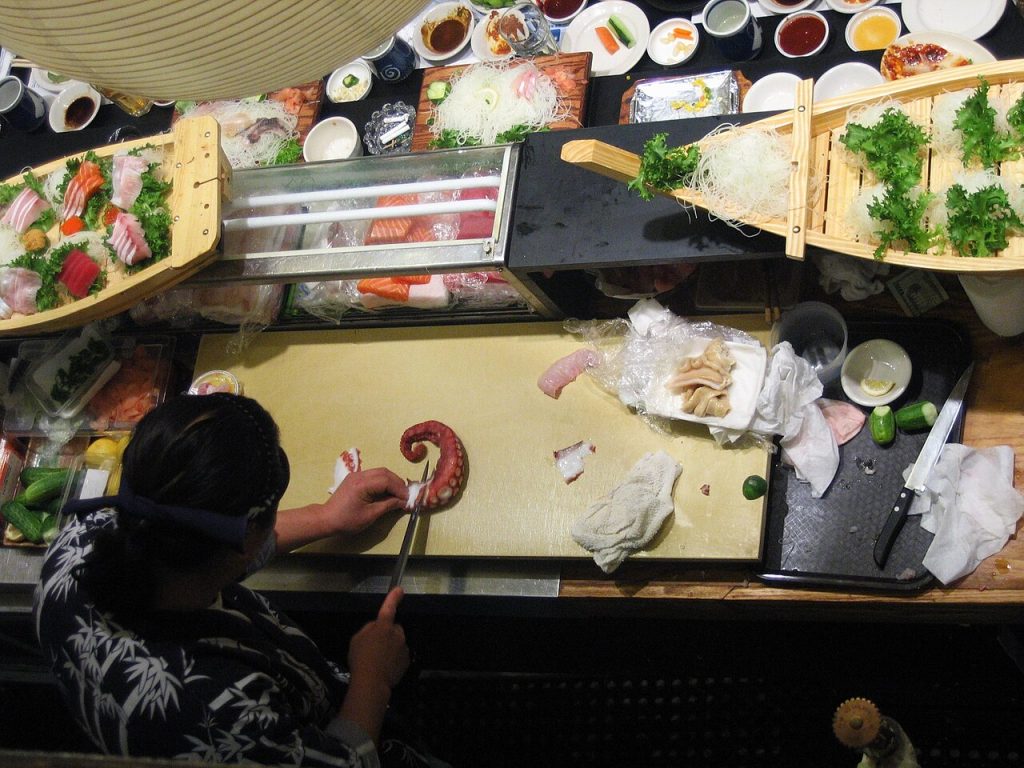
1. Misusing Soy Sauce: Saltiness and Flavor Balance
Many beginners treat soy sauce as a catch‑all seasoning. It’s actually a complex umami base that can overpower delicate flavors if not handled correctly.
- Too much soy sauce: A splash can drown the subtle taste of sashimi or miso soup.
- Wrong type: Light (usukuchi) and dark (koikuchi) sauces have different salt levels; using the wrong one alters the dish’s profile.
**Fix:** Use a small amount of light soy sauce for dipping, and reserve dark soy sauce for richer dishes. Always taste before adding more.
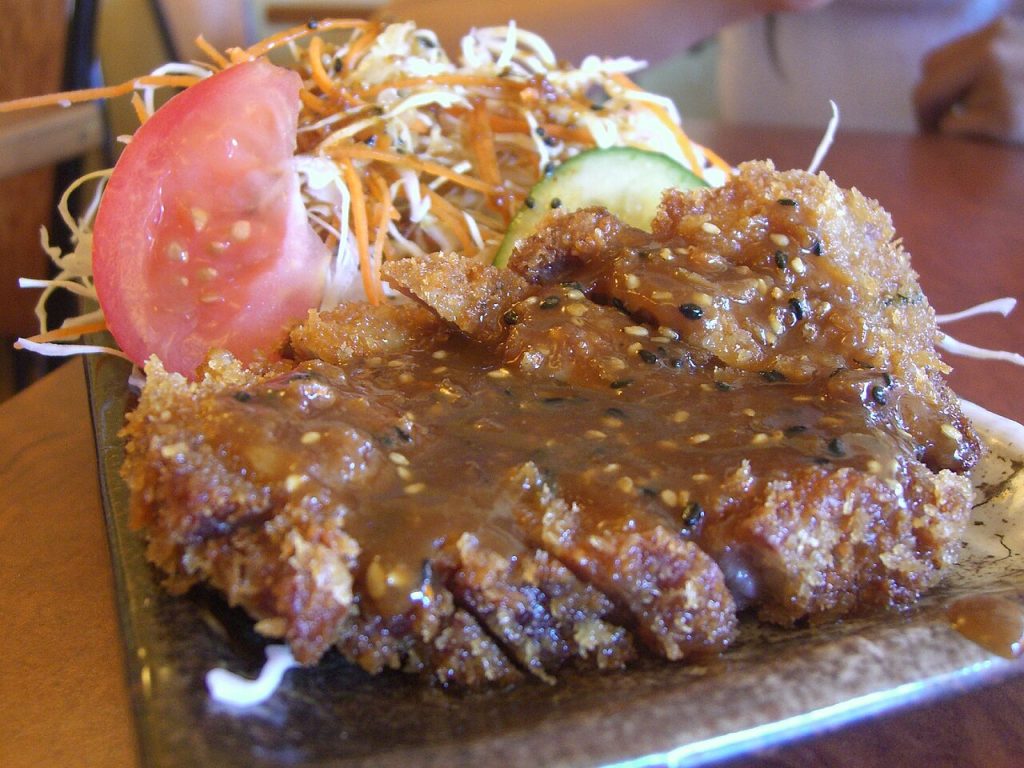
2. Over‑Cooking Rice: The Quest for the Perfect Texture
Japanese rice is prized for its sticky yet separate grains. Over‑cooking leads to mush, while under‑cooking leaves it hard.
- Water ratio: The standard 1:1.2 rice to water ratio works for most short‑grain varieties.
- Resting time: Let the rice steam for 10‑15 minutes after cooking to achieve that glossy finish.
**Fix:** Use a rice cooker with a “sushi” setting, or if stovetop, bring to a gentle simmer, then lower the heat and cover until the water is absorbed.
3. Ignoring Knife Handling: Safety and Efficiency
Japanese cooking relies heavily on precision cuts. A loose grip or improper angle can ruin texture or lead to accidents.
- Hold the knife: Keep the handle firmly with a relaxed grip, and use the thumb and forefinger to guide the blade.
- Cutting angle: Slice at a 30‑degree angle to the board for thin, even pieces.
**Fix:** Practice the “shaku‑shaku” technique: a light, controlled motion that keeps the knife stable and the cuts clean.
4. Neglecting Umami: The Missing Depth
Umami is the savory “fifth taste” that gives Japanese dishes their depth. Skipping ingredients that boost umami can make meals feel flat.
- Shiitake mushrooms: Add dried or fresh for a rich, earthy flavor.
- Bonito flakes (katsuobushi): Use them to finish miso soup or as a garnish on rice.
**Fix:** Incorporate a small amount of these umami boosters into your stock or finishing sauces.
5. Skipping the Temperature Check: Cold vs. Hot Dishes
Japanese cuisine often balances hot and cold elements. Serving a dish at the wrong temperature can ruin the experience.
- Cold noodles: Rinse with cold water to stop the cooking process and keep them al dente.
- Hot rice bowls: Serve immediately after steaming to preserve the steam’s subtle flavor.
**Fix:** Keep a temperature chart for each dish and practice timing your prep steps.
Conclusion: Mastery Through Attention to Detail
Japanese cooking rewards patience and precision. By paying attention to soy sauce selection, rice texture, knife technique, umami layers, and temperature control, you can avoid common pitfalls and create dishes that truly honor Japanese culinary traditions.