Intro
When you think of Chinese cuisine, images of steaming woks, fragrant sauces, and an endless array of flavors spring to mind. Yet, the sheer variety—ranging from Cantonese dim sum to Sichuan’s fiery hot pots—can make picking the right dish feel like a daunting task. Whether you’re dining out, ordering delivery, or cooking at home, this guide offers clear, actionable advice to help you navigate Chinese food with confidence.
Understanding Chinese Cuisine
Chinese cooking is less about a single “style” and more about a tapestry of regional traditions. Each area of China brings its own climate, history, and available ingredients to the table, resulting in distinct flavor profiles. Knowing the basics of these regional differences will give you a roadmap for making informed choices.
Major Regional Styles
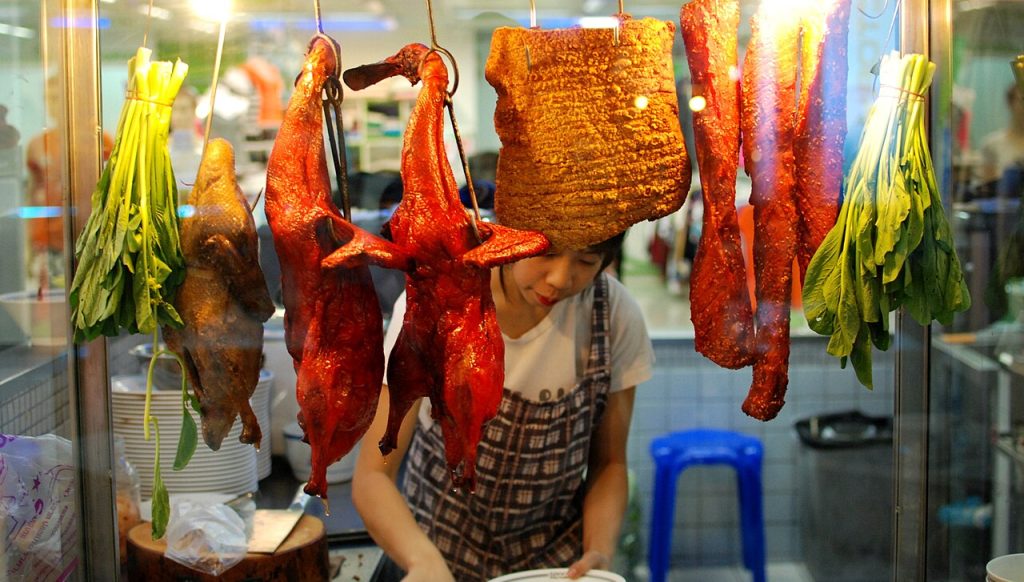
- Guangdong (Cantonese): Light, fresh, and subtly sweet. Think dim sum, roasted meats, and delicate sauces.
- Shandong: Emphasizes salty, savory, and umami flavors with a focus on seafood.
- Sichuan: Known for bold, numbing spiciness, especially with chili oil and Sichuan peppercorns.
- Yunnan: Earthy, aromatic, and often incorporates wild mushrooms and herbs.
- Jiangsu: Refined, slightly sweet, and uses a lot of soy sauce and sugar.
- Shanghai: Sweet-savory balance, with a love for braised dishes and delicate textures.
When you’re choosing a dish, consider whether you want something bold and spicy, or something light and aromatic. This can quickly narrow your options.
Key Ingredients and Flavor Profiles
Beyond regional styles, Chinese food is built around core flavor components. Familiarity with these will help you anticipate what a dish will taste like, even if you’ve never tried it before.
Common Bases
- Ginger & garlic: Provides warmth and depth.
- Scallions: Adds a bright, onion-like freshness.
- Star anise & cinnamon: Contribute a subtle sweetness and warmth.
- Soy sauce & fermented bean pastes: Deliver umami and saltiness.
- Chili oil & Sichuan peppercorns: Offer heat and the signature numbing sensation.
- Rice wine & Shaoxing wine: Add depth and a slightly sweet undertone.
Texture Matters
Chinese cuisine balances textures—crunchy, silky, chewy, and crispy—to create a satisfying bite. Pay attention to whether a dish is meant to be tender (braised), crisp (stir‑fried), or chewy (noodles).
How to Choose a Restaurant
Finding a great Chinese restaurant isn’t just about the menu; it’s about authenticity, ingredient quality, and the overall experience. Here’s a quick checklist to keep in mind.
Authenticity vs. Fusion
- Authentic regional restaurants will highlight local specialties—e.g., a Cantonese dim sum house will have a dedicated tea bar.
- Fusion spots often blend Chinese techniques with Western ingredients. If you want a true regional taste, look for a place that specializes in a single style.
Ingredient Quality
- Fresh seafood and meats should smell clean, not fishy or overly “meaty.”
- Vegetables should be crisp and vibrant; wilted greens often indicate stale produce.
- Look for sauces that are thick and glossy rather than watery.
Presentation and Service
- In a Cantonese dim sum setting, the tea bar should be bustling, with chefs showcasing dumplings as they’re prepared.
- For Sichuan hot pot, the broth should be rich and steaming, with a clear sign of peppercorns and chilies.
Practical Tips for Dining Out
- Ask about the chef’s specialty: Chefs often have signature dishes that highlight their expertise.
- Use the menu’s “recommended” section: These picks are usually crowd‑pleasers.
- Consider portion sizes: Many Chinese restaurants offer shared plates; order a few dishes to sample multiple flavors.
- Check the spice level: If you’re new to Sichuan, start with a milder dish and work your way up.
- Inquire about dietary restrictions: Chinese cuisine is versatile—many dishes can be made vegan, gluten‑free, or low‑sodium.
Cooking Chinese Food at Home
If you prefer to bring the restaurant experience to your kitchen, here are a few essential tools and techniques.
Essential Equipment
- Wok: The heart of Chinese cooking—its shape and heat distribution are key.
- Stir‑fry spatula: A wide, flat tool that keeps ingredients moving.
- Rice cooker: For perfect, fluffy rice every time.
- Knife set with a sharp chef’s knife and a paring knife: Essential for quick prep.
Basic Techniques
- High‑heat stir‑fry: Quickly sears ingredients while locking in flavor.
- Blanching: Briefly dips veggies into boiling water to preserve color and texture.
- Simmering: Slow cooking for braised meats and stews.
- Seasoning in layers: Start with aromatics, then add sauces, and finish with a splash of soy or vinegar.
Conclusion
Choosing the right Chinese food is all about aligning flavor preferences, regional styles, and dining context. By understanding the core ingredients, regional differences, and practical selection strategies, you’ll be equipped to enjoy authentic, satisfying dishes whether you’re stepping into a bustling dim sum bar or simmering a fragrant Sichuan hot pot at home. Happy eating!