
Indonesia Is An Archipelago Of Over Six Thousand Islands, Each With Its Own Culinary Traditions. The Result Is A Rich Tapestry Of Flavors That Combine Sweet, Salty, Sour, And Spicy Notes In A Way That Is Both Complex And Accessible. If You Are New To Indonesian Cuisine, This Guide Will Help You Navigate The Staples, Techniques, And Regional Variations That Make This Food So Unique.
Overview Of Indonesian Cuisine
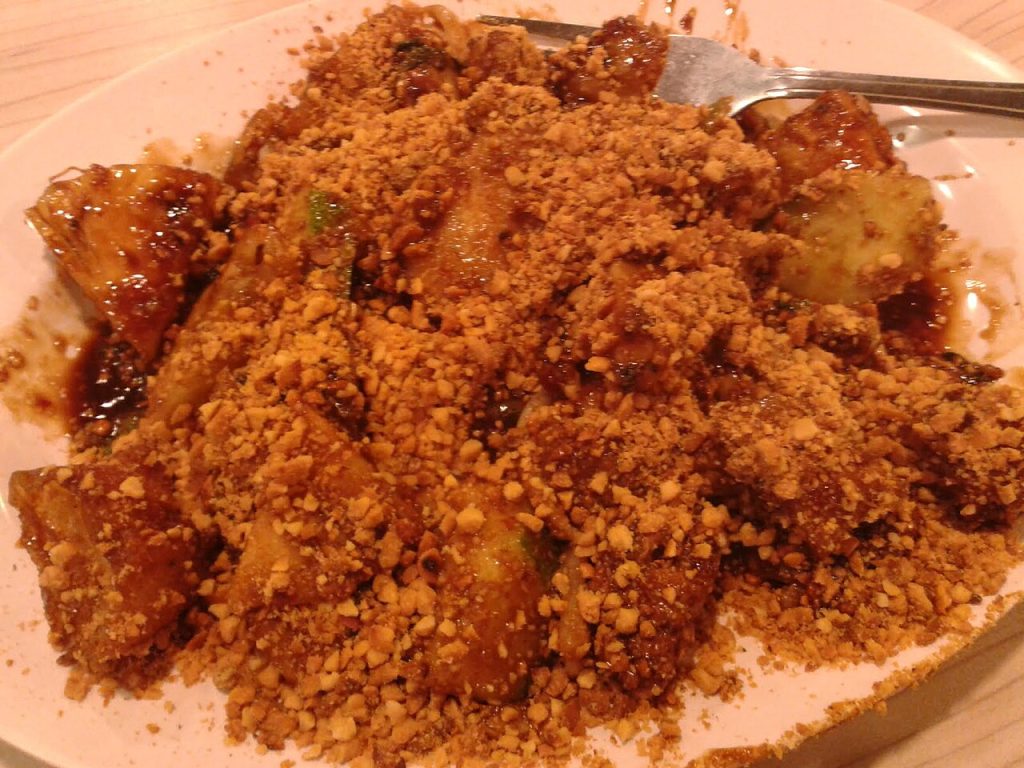
Indonesian Food Is Often Described As A Blend Of Malay, Chinese, Indian, And European Influences, But It Remains Distinctive Because Of Its Use Of Local Ingredients And Traditional Cooking Methods. The Cuisine Is Divided Into Three Main Categories: Rice Dishes, Meat And Seafood, And Vegetarian And Vegan Options. Each Category Features Signature Dishes That Are Served With A Variety Of Condiments And Sides.
Key Ingredients
Understanding The Core Ingredients Will Make It Easier To Identify Dishes And Prepare Them At Home:
- Rice – The Staple Food, Often Served As Plain White Rice, Fried Rice (Nasi Goreng), Or Coconut Rice (Nasi Lemak).
- Spices – Ginger, Galangal, Lemongrass, Turmeric, And Chili Are Common. They Are Often Ground Into Pastes (Bumbu) That Form The Base Of Many Dishes.
- Coconut Milk – Adds Richness To Curries And Stews.
- Fish Sauce (Kecap) – A Salty Condiment That Adds Depth To Sauces And Marinades.
- Vegetables – Eggplant, Taro, Okra, And Bitter Melon Are Frequently Used.
- Proteins – Chicken, Beef, Pork, Fish, And Shrimp Are Popular, While Tempeh And Tofu Provide Plant‑Based Options.
Must‑Try Classic Dishes
These Dishes Represent The Heart Of Indonesian Cuisine And Are Great Starting Points For Beginners.
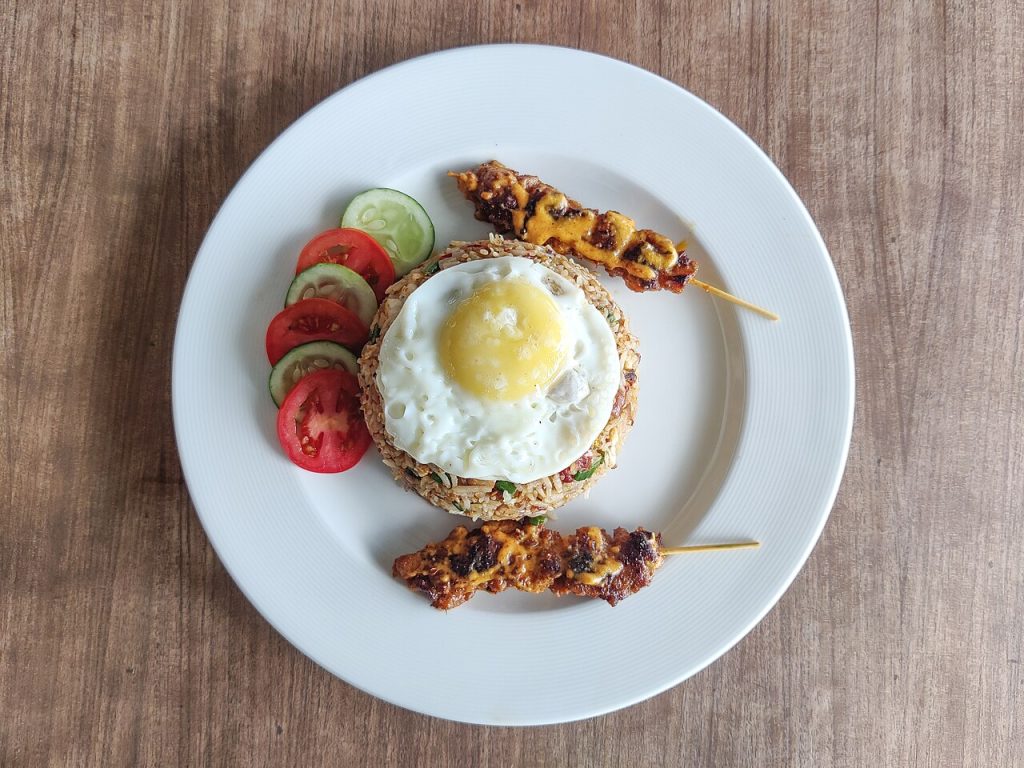
Nasi Goreng
Fried Rice With Garlic, Shallots, And Chili, Often Topped With A Fried Egg And Served With Satay Skewers.
Rendang
A Slow‑Cooked Beef Stew With Coconut Milk, Spices, And A Rich, Aromatic Flavor. It Is Traditionally Prepared For Special Occasions.
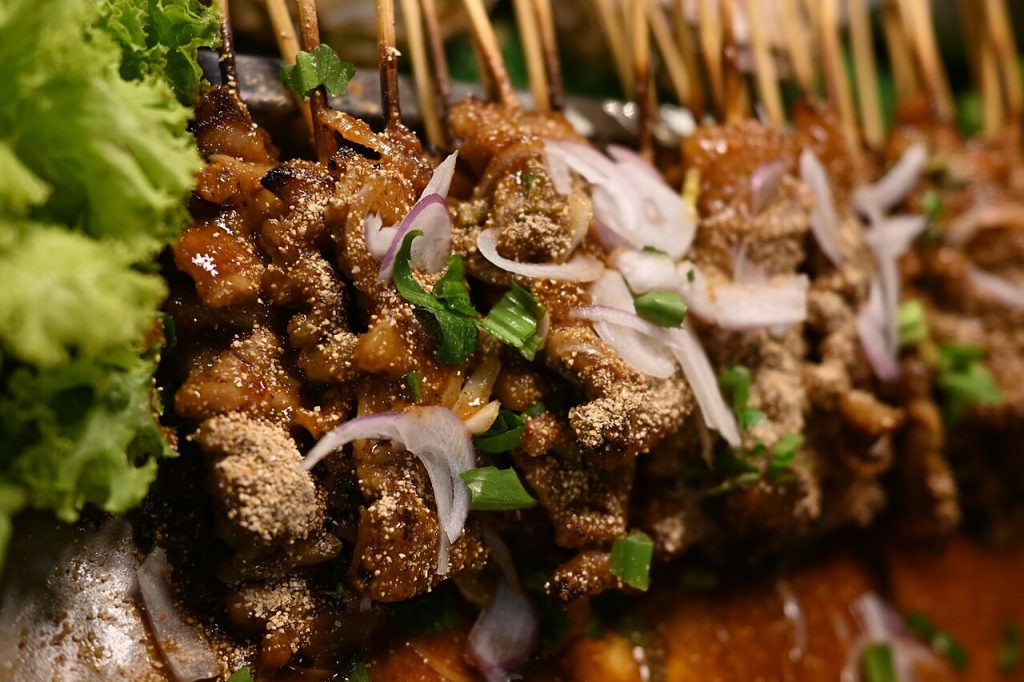
Sate (Satay)
Grilled Skewers Of Marinated Meat, Usually Served With Peanut Sauce And Rice Cakes.
Gado‑Gado
A Salad Of Blanched Vegetables, Tofu, And Boiled Eggs, Dressed In Sweet Peanut Sauce.
Bakso
Meatball Soup With Noodles, Vegetables, And Often A Dash Of Soy Sauce.
Regional Variations
Indonesia’s Size Means Each Region Has Its Own Signature Foods. Below Are A Few Highlights:
- Java – Known For Its Rich Nasi Padang Dishes And Sweet Kue.
- Sumatra – Famous For Rendang, Ayam Taliwang, And a Variety Of Spicy Seafood.
- Bali – Offers Unique Dishes Like Babi Guling (Roasted Pork) And Lawar (Mixed Vegetables With Spices).
- Sulawesi – Features Seafood Like Coto Makassar And Spicy Sambal.
- East Nusa Tenggara – Known For Its Fresh Fish Dishes And Traditional Grilled Flavors.
Cooking Techniques
Mastering These Techniques Will Help You Recreate Authentic Indonesian Flavors:
- Wok Stir‑Frying – Essential For Nasi Goreng And Many Stir‑Fried Vegetable Dishes.
- Slow Simmering – Used For Rendang And Stews To Develop Deep Flavors.
- Grilling – Common For Satay And Many Seafood Dishes.
- Blanching – Quick Boiling To Preserve Color And Texture In Vegetables.
Practical Tips For Beginners
1. Start With Simple Dishes – Nasi Goreng And Satay Are Easy To Make And Introduce You To Basic Flavors.
2. Use Fresh Spices – Fresh Ginger, Lemongrass, And Chili Will Make A Big Difference In Taste.
3. Learn To Make Bumbu – A Basic Spice Paste Can Be Used In Multiple Recipes.
4. Don’t Overcook Vegetables – Blanching Helps Maintain Bright Color And Crunch.
5. Experiment With Condiments – Try Adding Kecap, Sambal, And Lime Juice To Adjust Sweetness, Saltiness, And Acidity.
6. Use Coconut Milk Wisely – It Adds Creaminess But Can Make Dishes Heavy If Overused.
Conclusion
Indonesian Cuisine Is A Celebration Of Flavor, Texture, And Cultural Heritage. By Familiarizing Yourself With Core Ingredients, Classic Dishes, And Regional Variations, You Can Begin Your Culinary Journey With Confidence. Start With Simple Recipes, Practice The Techniques, And Soon You’ll Be Able To Create Authentic Indonesian Meals That Impress Friends And Family.
Happy Cooking And Selamat Makan!