
Thai food is celebrated worldwide for its vibrant flavors, aromatic herbs, and balanced combination of sweet, sour, salty, and spicy elements.
In this article we explore why Thai cuisine is good for you, highlight classic dishes you can try, and share ideas for bringing authentic Thai experiences into your kitchen.
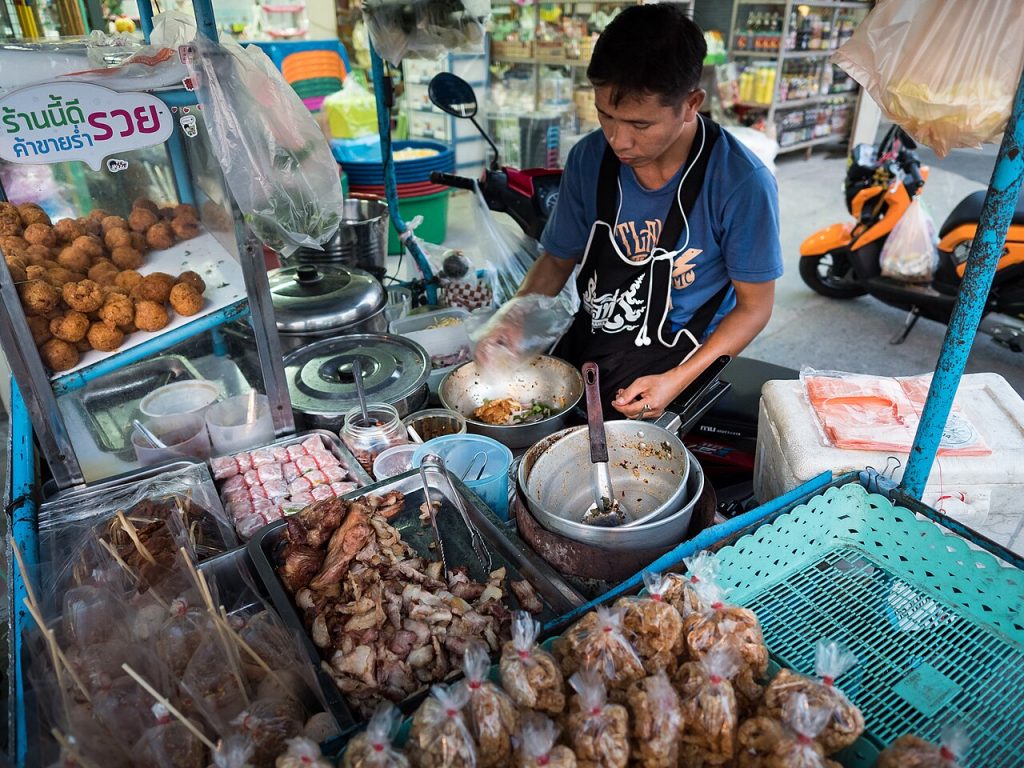
Health Benefits of Thai Food
Traditional Thai cooking relies on fresh ingredients such as lemongrass, galangal, kaffir lime leaves, chilies, ginger, and a variety of vegetables.
These components provide several health advantages:
- Rich in antioxidants – Herbs and spices contain compounds that help protect cells from oxidative stress.
- Supports heart health – Many Thai dishes use fish sauce, shrimp paste, and lean proteins that are low in saturated fat.
- Boosts metabolism – Capsaicin in chilies can increase calorie burning and improve digestion.
- Provides essential nutrients – Coconut milk supplies medium‑chain triglycerides, while fresh vegetables deliver vitamins A, C, and K.
Because Thai meals often combine protein, fiber, and healthy fats, they can help maintain steady blood sugar levels and promote satiety.
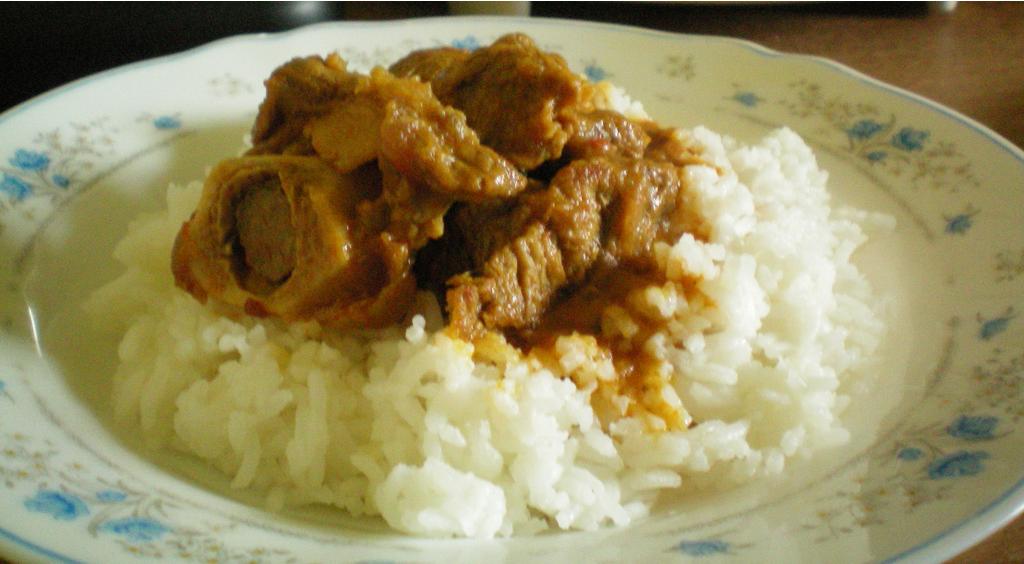
Signature Thai Dishes to Try
Thai cuisine offers a wide range of flavors and textures. Below are some iconic dishes that showcase the diversity of the culinary tradition.
Tom Yum Goong
This hot and sour soup features shrimp, mushrooms, lemongrass, kaffir lime leaves, galangal, and fresh chilies. The broth is bright, fragrant, and perfect for stimulating the appetite.
Pad Thai
A stir‑fried noodle dish made with rice noodles, tamarind sauce, peanuts, bean sprouts, egg, and a choice of shrimp, chicken, or tofu. The balance of sweet, tangy, and salty flavors makes it a crowd‑pleaser.
Green Curry (Gaeng Keow Wan)
Prepared with green curry paste, coconut milk, bamboo shoots, Thai eggplant, and basil, this curry can be cooked with chicken, beef, or vegetables. The creamy sauce is aromatic and mildly spicy.
Som Tum (Green Papaya Salad)
A refreshing salad of shredded green papaya, carrots, tomatoes, peanuts, and lime juice, tossed with fish sauce and chilies. It offers a crunchy texture and a burst of sour and spicy notes.
Mango Sticky Rice
A beloved dessert that pairs sweet coconut‑infused sticky rice with ripe mango slices and a drizzle of toasted coconut cream.
These dishes illustrate the core principles of Thai cooking: fresh herbs, balanced flavors, and a focus on texture.
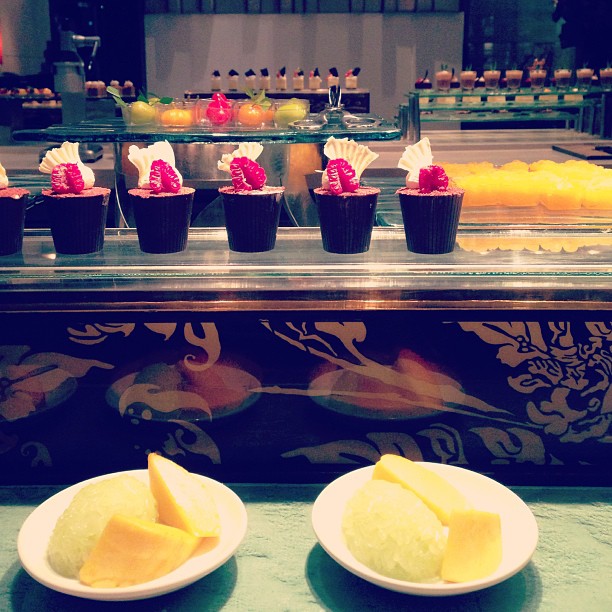
Practical Tips for Cooking Thai Food at Home
Bringing authentic Thai flavors to your kitchen does not require a professional chef’s toolkit. Follow these simple guidelines to achieve delicious results.
- Stock a pantry of essential ingredients – Keep dried red and green curry pastes, fish sauce, tamarind paste, coconut milk, jasmine rice, and dried shrimp on hand.
- Use fresh herbs and aromatics – Lemongrass, kaffir lime leaves, Thai basil, cilantro, and galangal add depth to sauces and soups.
- Balance the four taste pillars – Taste your dish as you cook and adjust with lime juice for sour, palm sugar for sweet, fish sauce for salty, and chilies for heat.
- Don’t overcook vegetables – Quick stir‑frying preserves crispness and bright color, essential for dishes like pad thai and som tum.
- Invest in a good wok or large skillet – High heat and rapid movement are key to achieving the smoky “wok‑hei” flavor.
Experiment with regional variations, such as Northern Thai khao soi or Southern Thai massaman curry, to expand your repertoire.
Ideas for Experiencing Thai Cuisine Beyond Cooking
If you prefer to explore Thai food without cooking, consider these options:
- Visit a local Thai market to sample street‑style snacks and fresh herbs.
- Attend a Thai cooking class or food tour in your city.
- Pair Thai dishes with appropriate beverages, such as Thai iced tea, fresh coconut water, or a light Riesling.
These experiences deepen your appreciation for the cultural context of the cuisine.
Conclusion
Thai food offers a harmonious blend of taste, nutrition, and culinary adventure. By understanding its health benefits, trying classic dishes, and applying practical cooking tips, you can enjoy authentic Thai flavors at home or abroad.
Whether you are a seasoned cook or a curious foodie, the vibrant world of Thai cuisine invites you to explore, experiment, and savor every bite.