
Japanese cuisine is celebrated for its emphasis on fresh ingredients, subtle flavors, and mindful preparation. Even if you’ve never cooked a sushi roll or simmered a miso soup, the principles behind Japanese cooking can be easily adapted to everyday meals.
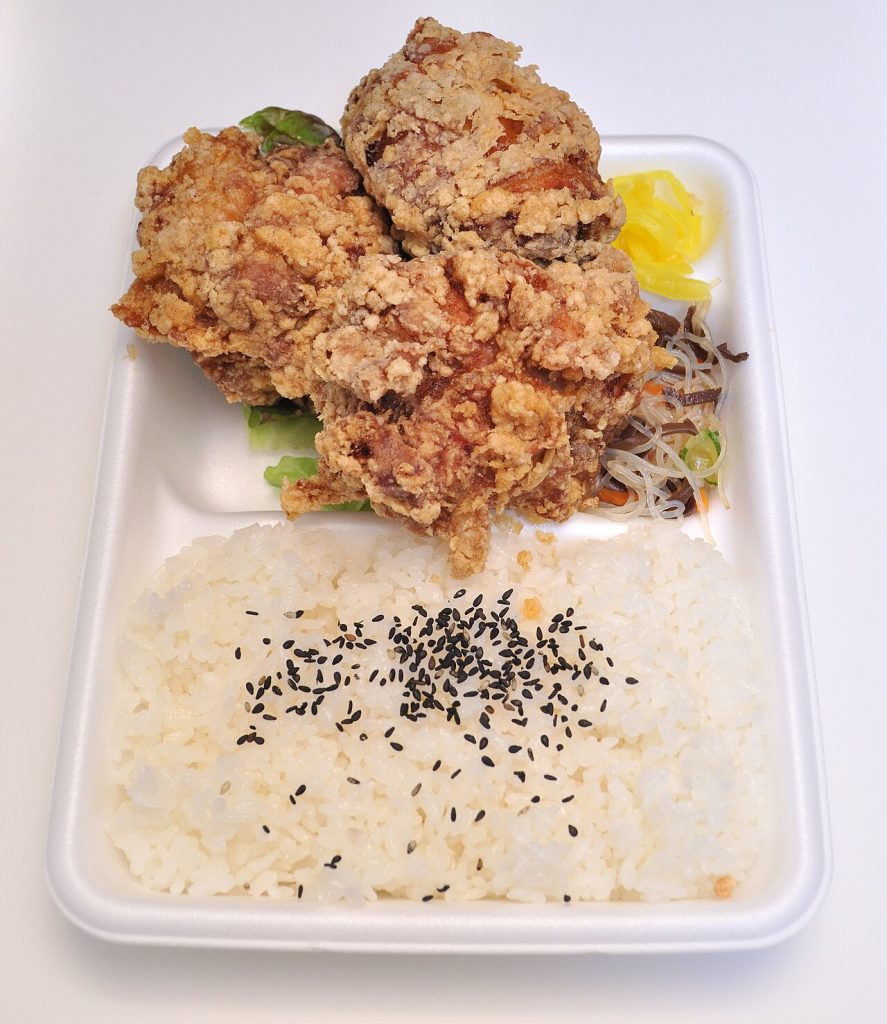
Why Japanese Food Works for Everyday Cooking
At its core, Japanese food relies on a few key concepts that make it both healthy and accessible:
- Seasonality. Ingredients are chosen based on what’s in season, ensuring natural sweetness and crispness.
- Balance. Each dish typically offers a harmony of taste (sweet, salty, umami, sour, bitter) and textures.
- Minimalism. The focus is on letting the ingredient shine, not masking it with heavy sauces.
- Efficiency. Techniques like quick blanching, steaming, or quick stir‑fry keep prep time short.
These principles translate into meals that are both nutritious and time‑efficient—perfect for busy weekdays.
Essential Japanese Ingredients for a Home Kitchen
Before you dive into recipes, stock a few pantry staples that unlock a world of flavor.
- Rice varieties: Short‑grain sushi rice for sticky textures, and medium‑grain for everyday meals.
- Seasonings: Soy sauce, mirin, sake, and a good quality dashi powder.
- Condiments: Miso paste (white, red, or mixed), rice vinegar, and sesame oil.
- Fresh produce: Daikon radish, shiso leaves, nori sheets, and a selection of seasonal vegetables.
- Proteins: Fresh fish, chicken thighs, and tofu.
Having these basics on hand lets you experiment without a trip to the store.
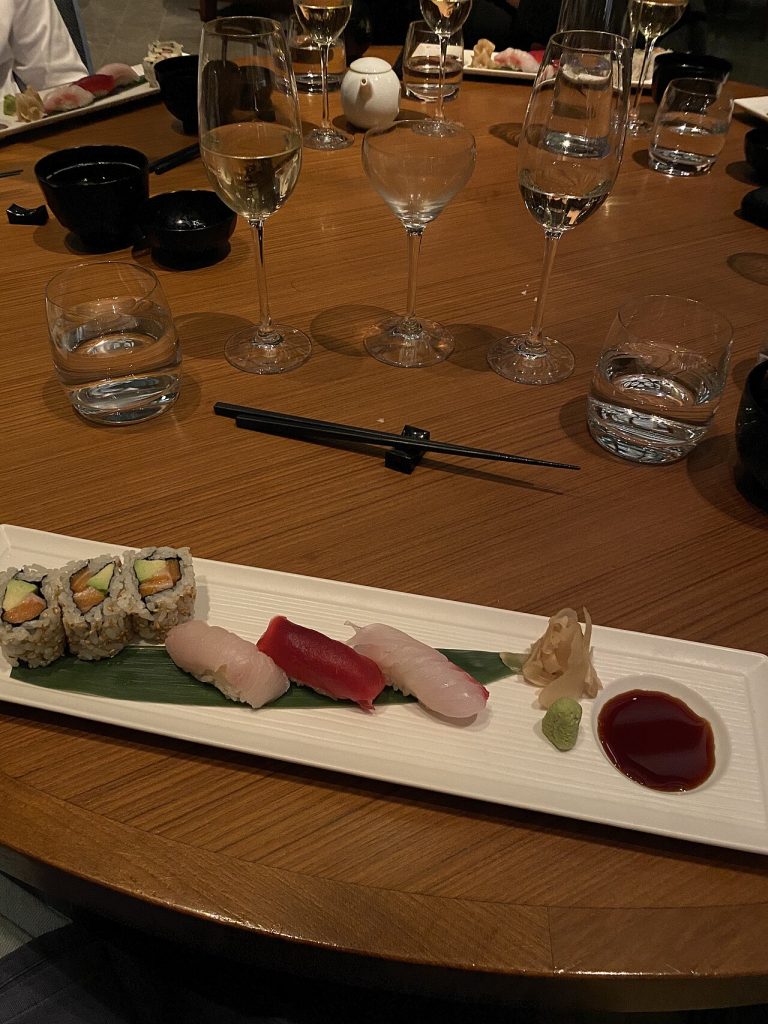
Three Simple Recipes to Try Today
Sushi‑Style Rice Bowls (Onigiri‑Inspired)
Combine cooked sushi rice with a touch of rice vinegar, salt, and sugar. Form small triangles or circles, then fold in a thin strip of nori and a center of your choice—pickled plum, tuna mayo, or grilled teriyaki chicken. Serve with a drizzle of soy sauce for a quick, handheld meal.
Miso‑Glazed Chicken Thighs
Mix 2 tbsp miso paste, 1 tbsp mirin, 1 tbsp soy sauce, and 1 tsp sesame oil. Marinate bone‑in chicken thighs for 30 minutes, then bake at 200°C (400°F) for 25–30 minutes until skin is crisp. Finish with a sprinkle of toasted sesame seeds and scallions.
Instant Ramen with Fresh Veg
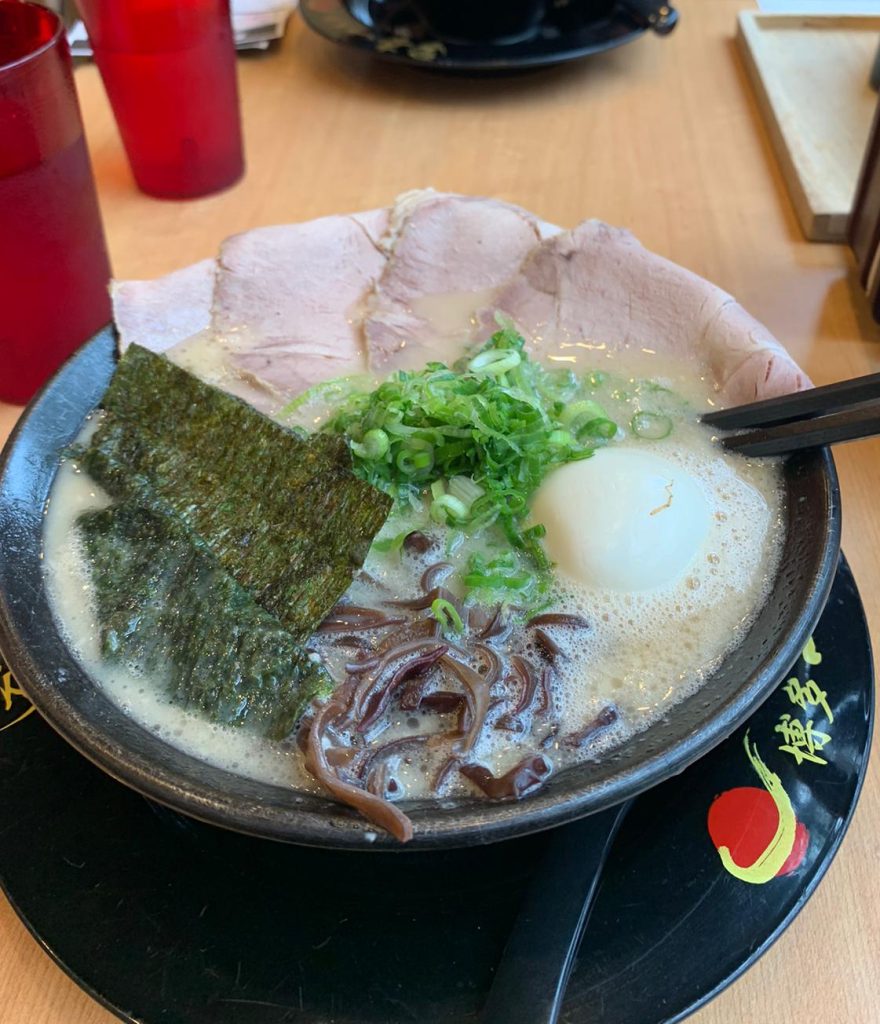
Boil a packet of ramen noodles (discard the seasoning if you want control). In the same pot, add a handful of spinach, sliced mushrooms, and a handful of sliced carrots. Pour a small splash of soy sauce and a dash of sesame oil. Once everything is heated through, top with a soft‑boiled egg and a squeeze of lime juice for brightness.
Practical Tips for Incorporating Japanese Flavors
- Use dashi powder. Dissolve a teaspoon in hot water to create a base for soups, sauces, and even stir‑fries.
- Make your own rice vinegar. A simple mix of rice vinegar, a pinch of sugar, and a dash of salt works well in salads and marinades.
- Prep in batches. Cook a large pot of rice or simmer a miso soup base on the weekend; portion them for quick lunches throughout the week.
- Mindful plating. Japanese cuisine values visual balance. Arrange colors and textures thoughtfully, even if you’re just serving a bowl.
Conclusion
Japanese food offers a roadmap for creating dishes that are both flavorful and uncomplicated. By investing in a few key ingredients and embracing the principles of seasonality, balance, and minimalism, you can elevate your everyday meals with a touch of Japan’s culinary artistry.