
Intro
Chinese cuisine is a vast, flavorful tapestry that spans continents and centuries. With countless regional styles, ingredients, and cooking techniques, it can be overwhelming to pick the right dish for any occasion. This guide breaks down the essential factors—taste profile, authenticity, and dining context—so you can confidently choose the Chinese food that fits your palate, budget, and culinary goals.
1. Understanding Chinese Cuisine
Before you make a decision, it helps to know the basics of Chinese culinary diversity. China’s major culinary regions—Sichuan, Cantonese, Shandong, Jiangsu, and Hunan—each bring distinct flavors:
- Sichuan is known for bold, numbing spiciness and complex sauces.
- Cantonese focuses on freshness, delicate seasoning, and dim sum.
- Shandong offers hearty, salty, and umami‑rich dishes.
- Jiangsu emphasizes sweet‑sour balance and meticulous presentation.
- Hunan delivers deep, aromatic heat with a peppery finish.
Recognizing these styles will guide you in selecting dishes that match your taste preferences.
2. Key Factors to Consider When Choosing a Dish
Flavor Profile
Ask yourself what you’re craving. Do you want a spicy kick, a fragrant herbiness, or a comforting soup? Match the dish to the flavor profile you enjoy:
- Spicy lovers: Look for Sichuan or Hunan specialties.
- Fresh and subtle: Cantonese seafood or green‑tea‑seasoned dishes.
- Hearty and savory: Shandong braised pork or Jiangsu sweet‑sour meats.
Ingredient Quality and Sourcing
Authentic Chinese food relies on fresh, high‑quality ingredients. Fresh fish, premium pork, and locally grown greens are hallmarks of genuine cuisine. If you’re dining out, observe whether the restaurant sources seasonal produce and reputable suppliers.
Cooking Technique
Techniques such as stir‑frying, braising, steaming, and deep‑frying each impart unique textures. A master chef will balance heat, timing, and sauce consistency to achieve the intended result. Pay attention to the way a dish is prepared—overcooked vegetables or under‑seasoned sauce can signal a lack of expertise.
Authenticity vs. Fusion
Fusion dishes blend Chinese techniques with local ingredients (e.g., Korean‑style kimchi fried rice with a Sichuan twist). If authenticity is your priority, opt for traditional recipes. For adventurous palates, fusion can be a fun exploration of cross‑cultural flavors.
3. Choosing the Right Restaurant
When dining out, consider these practical tips:
- Reputation: Look for places with consistent positive reviews from locals or food bloggers.
- Menu depth: A diverse menu with regional specialties indicates a well‑versed kitchen.
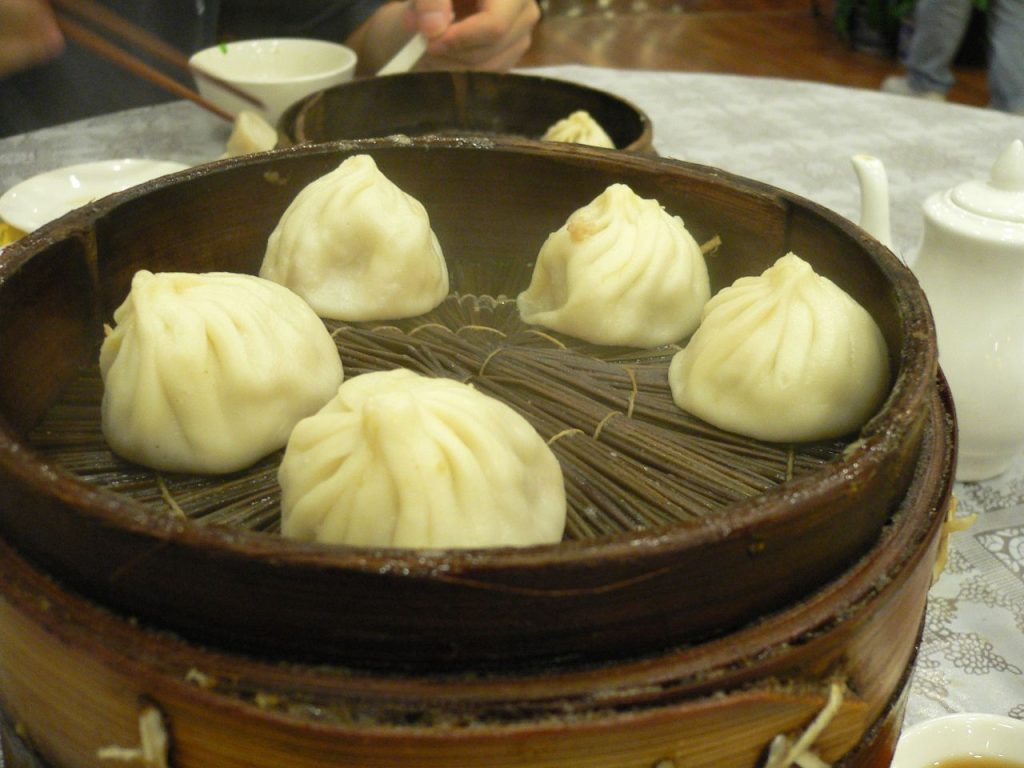
- Presentation: Authentic Chinese dishes are often served with care—think bamboo steamers or lacquered porcelain.
- Price and value: Cheaper doesn’t always mean better, but a price that reflects ingredient quality is a good sign.
- Staff knowledge: Friendly staff who can explain dishes and recommend pairings enhance the experience.

4. Home Cooking Tips for Authentic Chinese Dishes
Bringing Chinese cuisine into your kitchen is a rewarding experience. Here’s how to keep it authentic:
- Use a wok: The high, sloping sides help with quick stir‑frying.
- Master the “flash”: High heat cooks ingredients fast, preserving color and texture.
- Prep ingredients ahead: Have all vegetables sliced and sauces measured before you start.
- Balance flavors: A good dish has umami, sweetness, saltiness, acidity, and spice in harmony.
- Practice sauce consistency: Thicken sauces with cornstarch or rice flour for that glossy finish.
- Steaming is simple: Use a bamboo steamer for dumplings, buns, and fish for a gentle, steam‑cooked finish.
Conclusion
Choosing the right Chinese food—whether you’re dining out or cooking at home—comes down to a clear understanding of regional flavors, ingredient quality, and authentic cooking methods. By asking the right questions, paying attention to details, and exploring a range of regional dishes, you’ll discover a world of tastes that satisfies both curiosity and comfort. Happy eating!