
A Journey Through Thai Flavors: Balancing Bold Tastes in Your Own Kitchen
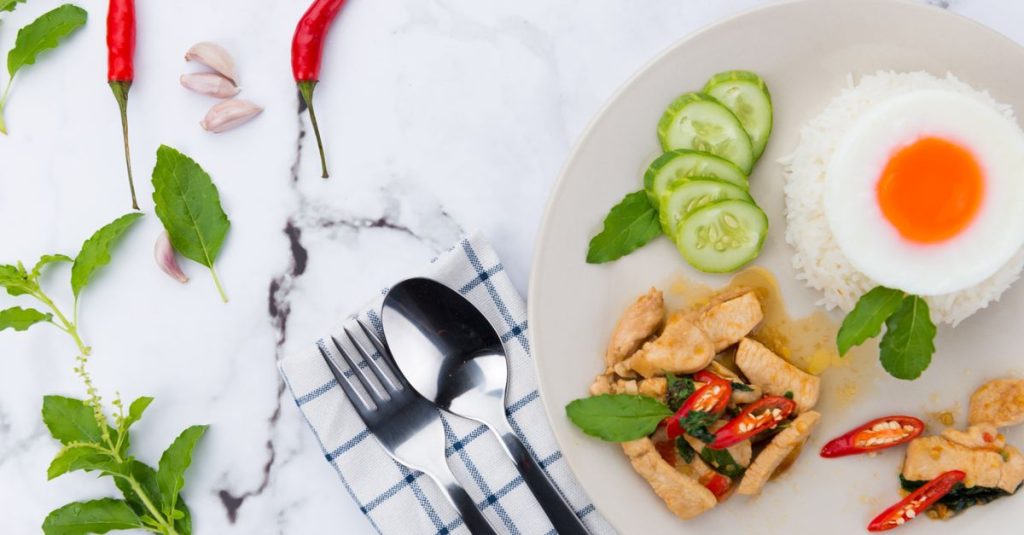
There is a sensory magic that happens the moment a wok hits high heat in a Thai kitchen—garlic, lemongrass, and fiery bird’s eye chilies releasing a fragrant cloud that instantly awakens the appetite. Thai cuisine is celebrated worldwide not just for its vibrant colors and bold aromas, but for its masterful orchestration of fundamental tastes: sweet, sour, salty, and bitter, all underpinned by a foundation of heat.
For home cooks, stepping into the world of Thai cooking can feel intimidating due to its exotic ingredient lists. However, once you understand the core flavor balance, creating authentic-tasting dishes at home becomes an intuitive and deeply rewarding experience.
What is Thai Cuisine?
Thai cuisine is not defined by a single flavor profile, but rather by the harmony of contrasting elements within a meal—or even within a single bite. Meals are traditionally designed to be shared, featuring a balance of dishes: a clear broth, a rich curry, a zesty salad, and a stir-fry, all centered around a mound of steamed jasmine rice.
Fresh herbs like cilantro, mint, and Thai basil play a starring role, alongside pungent fish sauce, sharp lime juice, and aromatic pastes made from galangal, lemongrass, and shallots. The food is dynamic, deeply rooted in regional geography, and heavily influenced by centuries of trade and migration from neighboring China and India.
Cultural Background and Culinary Traditions
Food in Thailand is deeply woven into the social fabric of daily life. Historically, Thai cuisine evolved around waterways and fertile plains, leading to an abundance of fresh water fish, tropical fruits, and rice cultivation.
Geographically, Thai food is generally divided into four main culinary regions:
- Central Thailand: Characterized by the royal cuisine of Bangkok, featuring balanced flavors, coconut milk-based curries, and fragrant jasmine rice.
- Northern Thailand: Influenced by Myanmar and Laos, featuring milder, earthy broths, bitter herbs, and sticky rice rather than jasmine rice.
- Northeastern Thailand (Isan): Known for bold, funky, and spicy dishes, heavy on fermented fish sauce, lime, toasted rice powder, and grilled meats.
- Southern Thailand: Heavily influenced by Malaysian and Indonesian trade, featuring fiery curries packed with turmeric, fresh seafood, and coconut milk.
Across all regions, communal dining is the standard. Tables are piled high with dishes so diners can customize their plates, balancing every fiery bite with a spoonful of plain rice.
To bring this vibrant culinary tradition into your home, let’s explore a practical, foolproof recipe for one of Thailand’s most beloved exports: Classic Chicken Pad Thai.
Recipe: Authentic Home-Style Chicken Pad Thai
Pad Thai is a street-food staple that balances chewy rice noodles with a tangy-sweet tamarind sauce, crunchy peanuts, and tender protein. This version is tailored for a standard home kitchen using a large skillet or wok.
Ingredients
For the Noodles and Protein:
- 8 oz (225g) flat dried rice noodles (medium width)
- 2 tbsp neutral cooking oil (like canola or peanut oil)
- 2 shallots, finely sliced
- 2 cloves garlic, minced
- 6 oz (170g) boneless, skinless chicken breast, cut into thin bite-sized strips
- 2 large eggs, lightly beaten
- 1 cup firm tofu, cut into small matchsticks (optional)
- 1 cup fresh bean sprouts
- 3 green onions (scallions), cut into 1-inch lengths
For the Pad Thai Sauce:
- 3 tbsp tamarind paste (concentrated)
- 3 tbsp fish sauce
- 3 tbsp palm sugar (or packed light brown sugar)
- 1 tbsp water (if needed to thin)
- 1 tsp red chili flakes (optional, for heat)
For Garnish:
- 1/4 cup unsalted roasted peanuts, roughly chopped
- 1 fresh lime, cut into wedges
- A pinch of chili powder or cayenne pepper
Step-by-Step Instructions
- Soak the Noodles: Place the dry rice noodles in a large bowl and cover them with warm tap water. Let them soak for 20 to 30 minutes until they are pliable and bend easily, but still retain a firm bite (they will finish cooking in the pan). Drain thoroughly.
- Mix the Sauce: In a small bowl, whisk together the tamarind paste, fish sauce, and palm sugar until the sugar is fully dissolved. Set aside.
- Cook the Chicken: Heat 1 tablespoon of oil in a large skillet or wok over medium-high heat. Add the chicken strips and cook until just opaque and cooked through (about 3–4 minutes). Remove the chicken from the pan and set aside on a plate.
- Aromatics and Tofu: Add the remaining tablespoon of oil to the same pan. Add the shallots, garlic, and tofu (if using). Stir-fry for about 1–2 minutes until the shallots are translucent and fragrant.
- Combine Noodles and Sauce: Add the drained rice noodles and the sauce mixture directly into the pan. Toss continuously over medium heat. The noodles will absorb the sauce and soften further. This takes about 2 to 3 minutes. If the noodles feel too firm and the pan is dry, splash 1–2 tablespoons of water into the skillet.
- Scramble the Eggs: Push the noodles to one side of the pan to create an open space. Pour the beaten eggs into the empty space. Let them sit for a few seconds until the edges set, then gently scramble them with a spatula. Once cooked, toss the eggs together with the noodles.
- Finish with Greens: Return the cooked chicken to the pan along with half of the bean sprouts and half of the green onions. Toss everything together for 30 seconds until heated through. Turn off the heat.
- Serve: Plate the Pad Thai immediately. Garnish with the remaining fresh bean sprouts, green onions, chopped roasted peanuts, and a lime wedge on the side.
Cooking Tips and Tricks
- Do Not Boil Your Noodles: Always soak rice noodles in warm or room-temperature water rather than boiling them. Boiling leads to mushy noodles that break apart easily when stir-fried.
- Prep Everything in Advance (Mise en Place): Stir-frying moves at lightning speed. Have your sauce mixed, chicken sliced, and veggies chopped before you even turn on the stove.
- Cook in Batches if Needed: If your skillet is smaller than 12 inches, cook the recipe in two smaller portions. Overcrowding the pan causes the ingredients to steam rather than fry.
Substitutions
- Protein Swaps: Replace chicken with medium shrimp, firm cubed tofu, thinly sliced pork, or beef.
- Tamarind Alternatives: If you cannot find tamarind paste, use a mixture of 2 tablespoons fresh lime juice and 1 tablespoon rice vinegar, though the authentic tart flavor will be slightly altered.
- Sugar Substitutions: Palm sugar provides a rich, caramel-like depth, but light brown sugar works wonderfully as a direct 1:1 replacement.
Common Mistakes to Avoid
- Over-soaking the noodles: If left in water too long, noodles turn to mush in the wok. Aim for pliable yet firm.
- Skipping fish sauce: Fish sauce is the backbone of umami in Thai cooking. Do not substitute it with regular table salt, or the dish will lack depth.
- Adding too much oil: A good Pad Thai should not feel greasy. Use only the recommended amount of oil to coat the pan.
Serving Suggestions
Serve your homemade Pad Thai hot with an extra wedge of lime on the side for squeezing just before eating. Pair it with a cooling, refreshing beverage like Thai iced tea or a simple cucumber salad dressed in rice vinegar and sugar to offset the rich, savory notes of the noodles.
Variations
- Pad See Ew: Swap the thin rice noodles for wide flat rice noodles and use dark soy sauce and Chinese broccoli for a savory, caramelized flavor profile.
- Pad Kee Mao (Drunken Noodles): A spicier cousin of Pad Thai made with wide rice noodles, lots of Thai basil, bird’s eye chilies, and garlic.
- Vegetarian Pad Thai: Omit the fish sauce (substitute with soy sauce or vegan fish sauce) and load up the pan with mushrooms, broccoli florets, and extra tofu.
Frequently Asked Questions
1. Is authentic Pad Thai spicy?
Traditionally, Pad Thai itself is not a spicy dish; it relies on a sweet, sour, and savory balance. Heat is typically added at the table by the diner using dried chili flakes or fresh chili vinegar according to personal preference.
2. Can I make the sauce ahead of time?
Yes! You can whisk the tamarind paste, fish sauce, and sugar together and store it in an airtight jar in the refrigerator for up to one week. This makes weeknight cooking even faster.
3. Why are my rice noodles sticking together?
Sticking usually happens because the noodles were over-soaked in hot water or the pan was not hot enough during the stir-fry process. Ensure your heat is medium-high and use enough oil to lightly coat the pan.
4. Where can I buy specialty ingredients like tamarind paste and palm sugar?
Most local Asian supermarkets carry these items in the Southeast Asian aisle. Alternatively, they are widely available through online grocery retailers.
Conclusion
Mastering Thai cooking at home is an exciting culinary adventure that opens the door to a world of bold flavors and dynamic textures. By focusing on quality ingredients, proper preparation, and the classic balance of sweet, sour, and salty, you can recreate the magic of Thai street food right in your own kitchen. Grab your wok, prep your ingredients, and enjoy a taste of Thailand tonight!