
Introduction
Luxury food is more than just a meal—it’s an experience that reflects culture, history, and the art of culinary mastery. Whether you’re a foodie planning a world trip or simply curious about what makes certain dishes coveted, this guide will walk you through the most luxurious foods, how they’re sourced, and how you can enjoy them on a beginner’s budget.
What Defines Luxury Food?
Luxury foods share three core characteristics:
- Rarity – ingredients that are scarce, seasonally limited, or require special cultivation.
- Quality – exceptional flavor profiles achieved through meticulous preparation.
- Prestige – a cultural or historical reputation that elevates the dish’s status.
Understanding these pillars helps you appreciate why items like truffle, saffron, and caviar command premium prices.
Top Luxury Foods by Region
Europe
- White Truffles (Italy) – harvested in Alba, they’re prized for their earthy aroma and are best enjoyed simply with butter or pasta.
- Foie Gras (France) – a delicacy made from fattened duck or goose liver, often served as a pâté or seared.
Asia
- Kobe Beef (Japan) – known for its marbling, texture, and melt-in-the-mouth tenderness, sourced from the Tajima strain of Wagyu cattle.
- Matsutake Mushrooms (Japan) – highly prized for their spicy, piney fragrance, they can fetch thousands of dollars per kilogram.
Middle East
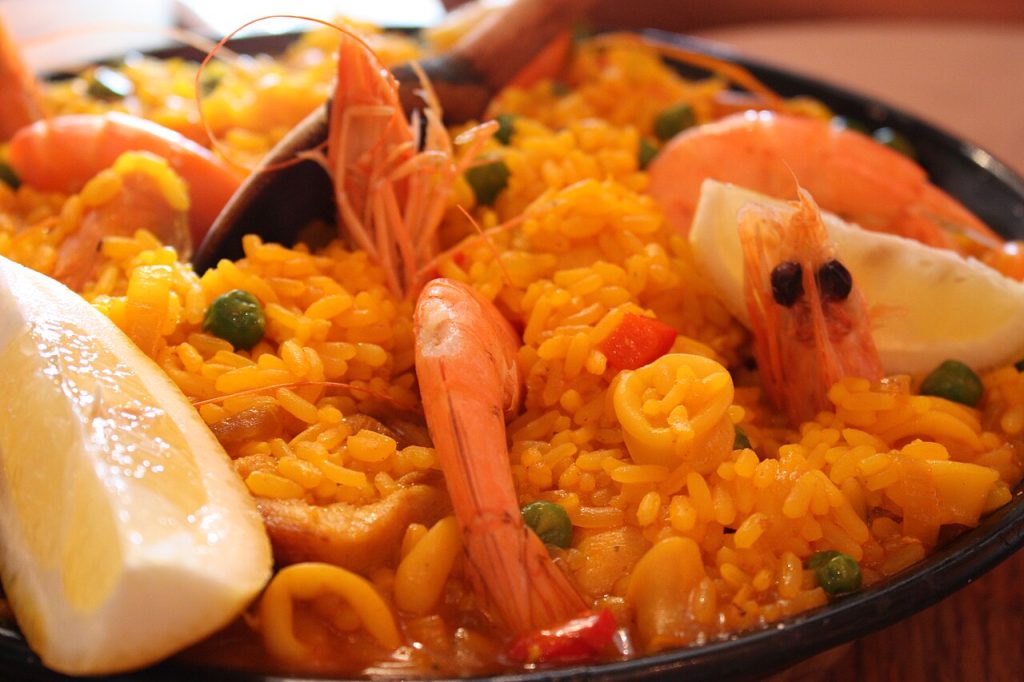
- Royal Saffron (Iran) – the world’s most expensive spice, harvested by hand and used in luxurious rice dishes.
- Olives from the Mediterranean (Spain, Greece) – certain varieties, like Kalamata, are celebrated for their buttery flavor.
North America
- Caviar (Russia & Ukraine) – sturgeon roe, available in gold, black, or orange varieties, often served on blinis or toast points.
- Truffle-Infused Lobster (USA) – a modern twist that combines the sweetness of lobster with truffle’s aroma.
How to Experience Luxury Foods on a Budget
- Seasonal Visits – Many luxury ingredients peak in specific seasons. Visiting during these times can reduce costs.
- Local Markets – Instead of high-end restaurants, try local markets or food halls where vendors sell premium ingredients at lower prices.
- Cook at Home – Purchase small quantities of luxury items (e.g., a few grams of saffron) and pair them with simple dishes to stretch their value.
- Food Festivals – Events like the Truffle Festival in Alba offer tasting opportunities without the full restaurant price.
Practical Tips for Beginners
- Start with Small Portions – Many luxury foods are potent. A modest serving can satisfy the palate without overspending.
- Ask Questions – When dining out, inquire about sourcing. Chefs often appreciate genuine curiosity.
- Pair Wisely – Pair luxury foods with complementary wines or teas. For example, a crisp Riesling enhances saffron paella.
- Learn the Terminology – Understanding terms like “aged,” “dry-aged,” or “hand-harvested” helps you identify quality.
Conclusion
Luxury foods are a portal into the heart of a culture’s culinary heritage. By recognizing what makes them special, exploring regional favorites, and applying smart budgeting strategies, beginners can savor world-class dishes without a fortune. The next time you encounter a truffle or a saffron-infused dish, you’ll know the story behind the luxury and feel empowered to enjoy it fully.