
Luxury foods have long been symbols of status, artistry, and cultural heritage. Whether it’s a melt‑in‑your‑mouth cut of beef or a rare mushroom, these delicacies offer a window into a country’s palate and traditions. For those new to haute cuisine, this guide will demystify the terms, highlight standout dishes, and give you actionable steps to taste them responsibly and with confidence.
What Defines Luxury Food?
Historical Roots
Historically, luxury foods were prized because of scarcity, exotic origin, or meticulous preparation. Rulers and merchants traded spices, meats, and ingredients that were hard to obtain, turning them into symbols of wealth. The same principle applies today: the rarity of an ingredient or the level of craftsmanship involved elevates a dish to luxury status.
Modern Interpretations
Today, luxury is not just about rarity but also about sustainability, farm‑to‑table sourcing, and culinary innovation. Chefs use techniques like sous‑vide, dry‑brining, and molecular gastronomy to transform everyday ingredients into extraordinary experiences. The price point often reflects not only cost but also the artistry, provenance, and presentation involved.
Top Luxury Foods Around the World
1. Japanese Wagyu Beef
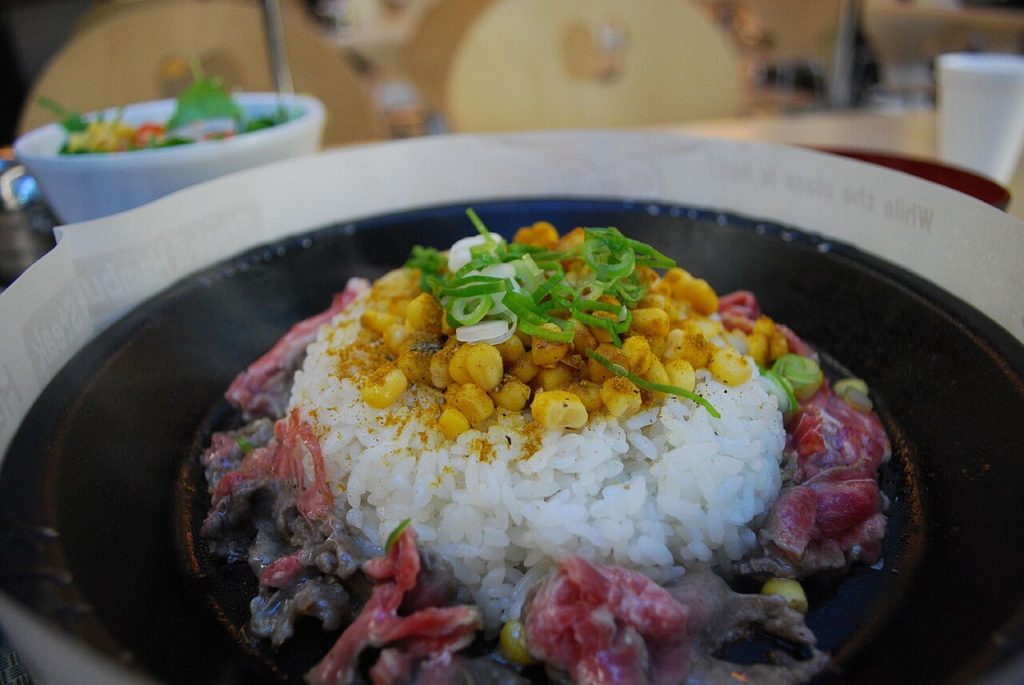
Wagyu, meaning “Japanese cow,” is renowned for its intense marbling, which creates a buttery, melt‑in‑your‑mouth texture. The most prized cuts—such as the ribeye and sirloin—are raised in controlled environments, fed a meticulous diet, and often hand‑grated for texture. The result is a flavor profile that is both rich and subtle.
2. French Foie Gras
Foie gras is the liver of a specially fattened duck or goose. The process of controlled gavage, followed by meticulous cooking, produces a silky, buttery delicacy that is celebrated in French gastronomy. Though controversial, its culinary legacy remains strong, especially in high‑end restaurants.
3. Italian Truffle
Truffles, often described as the “black gold” of the kitchen, come in several varieties, with the white truffle of Alba and the black truffle of Umbria being the most sought after. Their earthy aroma and intense umami flavor are achieved by carefully harvesting them with trained dogs or pigs.

4. Mexican Caviar
Mexican caviar, derived from the eggs of the Mexican fish Huitlacoche (corn smut), offers a crunchy texture and a subtle, sweet flavor reminiscent of traditional caviar. It’s a sustainable alternative that has gained popularity in gourmet circles.
5. Peruvian Alpaca
Alpaca meat is lean, high in protein, and has a delicate, slightly sweet taste. It is considered a sustainable protein source, as alpacas require minimal feed and water compared to cattle.
6. South Korean Gochujang with Gold Leaf
Gochujang, a fermented red chili paste, is traditionally paired with gold leaf to create a dish that marries heat, umami, and opulence. The gold leaf adds a subtle crunch and visual luxury, making it a favorite in upscale Korean eateries.
Practical Tips for Beginners
Start with Tastings
Many high‑end restaurants offer tasting menus or small portions of luxury items. This allows you to experience the dish without committing to a full portion. Pair the tasting with a wine or beverage that complements the flavor profile.
Understand Pairings
Luxury foods often shine when paired correctly. For example, a buttery wagyu pairs beautifully with a dry, oaky red wine, while truffle can be complemented by a crisp white wine or a glass of champagne. Knowing the right pairings enhances the overall experience.
Attend Culinary Events
Food festivals, chef talks, and pop‑up dinners provide an opportunity to sample luxury foods in a relaxed setting. These events often feature local producers and allow you to ask questions about sourcing and preparation.
Conclusion
Luxury foods are more than just expensive dishes; they are stories of culture, craftsmanship, and innovation. By starting with small tastings, learning about pairings, and immersing yourself in culinary events, you can appreciate these delicacies without feeling overwhelmed. Whether you’re a foodie looking for your next adventure or a curious beginner, the world of luxury cuisine offers a taste of the extraordinary that is well worth exploring.