
Indonesian food is a vibrant tapestry of flavors, aromas, and textures that reflects the archipelago’s rich cultural heritage. From fragrant curries to sizzling street stalls, each dish tells a story of regional traditions and local ingredients. If you’re new to Indonesian cuisine, this guide will walk you through the essential dishes, key ingredients, and practical tips to help you start cooking or ordering like a local.
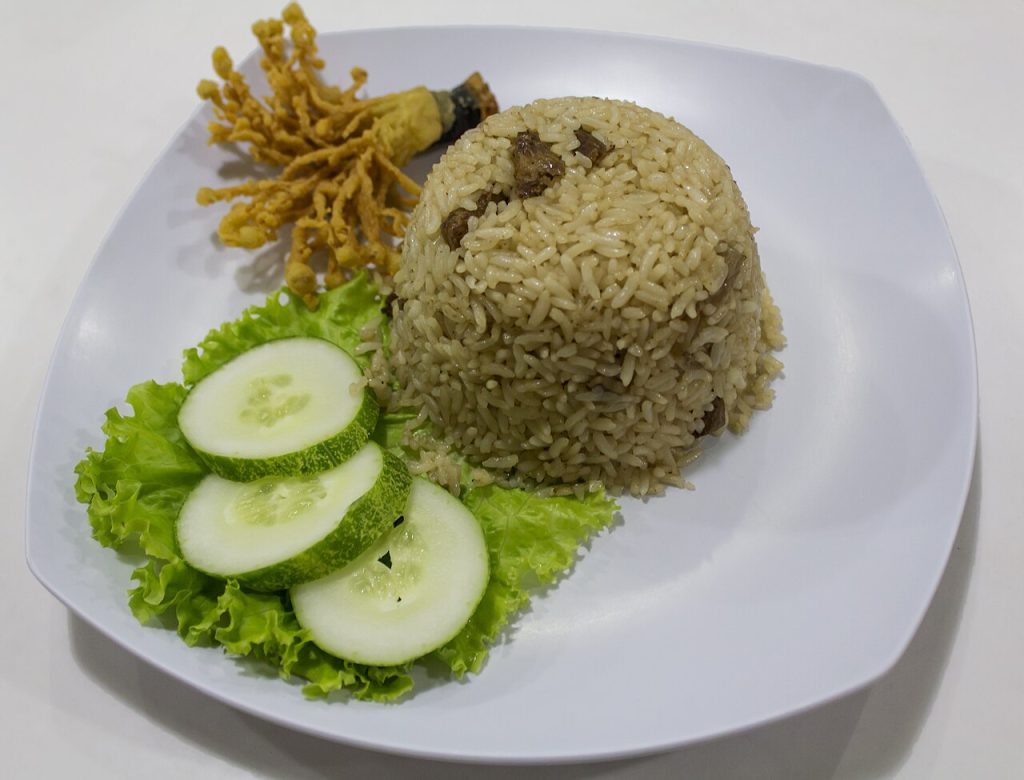
Overview of Indonesian Cuisine
Indonesia’s culinary identity is shaped by its geography: over 17,000 islands, diverse climates, and a history of trade with China, India, the Middle East, and Europe. As a result, Indonesian food is a fusion of sweet, salty, spicy, and sour flavors, often balanced with fresh herbs and tropical fruits. While each island has its own specialties, many dishes share common techniques and ingredients, making the cuisine accessible to beginners.
Key Ingredients You’ll Need
- Spices: chili, coriander, cumin, nutmeg, cloves, and galangal.
- Herbs: lemongrass, kaffir lime leaves, bay leaves, and fresh basil.
- Base ingredients: coconut milk, tamarind, palm sugar, and tamarind paste.
- Proteins: fish, shrimp, chicken, beef, and tofu.
- Vegetables: eggplant, spinach, pumpkin, and bamboo shoots.
- Rice & noodles: jasmine rice, sticky rice, and rice noodles.
Must‑Try Dishes for Beginners
Rice & Noodles
- Nasi Goreng – Indonesia’s classic fried rice, typically cooked with shrimp or chicken, eggs, and a sweet soy sauce.
- Mi Goreng – Stir‑fried noodles with garlic, sweet soy, and chili, often served with a hard‑boiled egg.
- Nasi Padang – A buffet of small plates served over rice, featuring curries, sambal, and fresh vegetables.
Curries & Stews
- Rendang – Slow‑cooked beef or lamb in coconut milk and spices, popular in Sumatra.
- Sambal Goreng – A spicy tomato‑based stew that can be made with eggs, tofu, or fish.
- Ayam Betutu – Roasted chicken stuffed with aromatic herbs and wrapped in banana leaves.
Street Food Staples
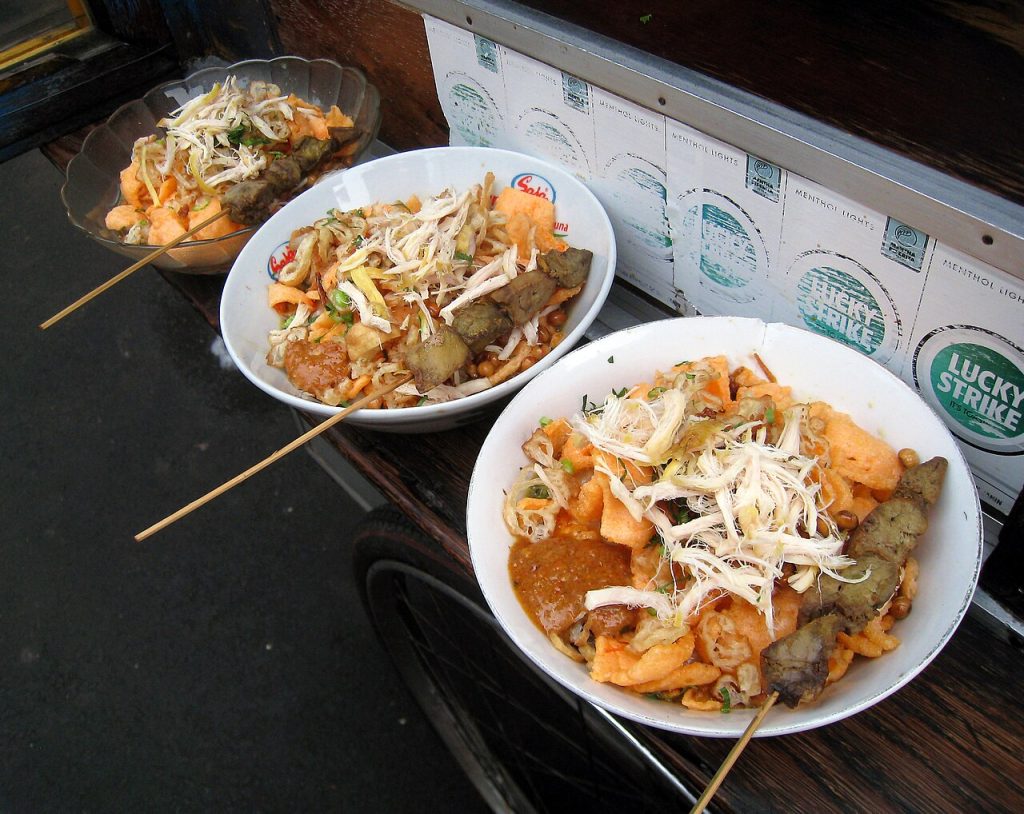
- Sate Ayam – Grilled chicken skewers served with peanut sauce.
- Bakso – Indonesian meatballs in a clear broth, often served with noodles.
- Gado‑Gado – A salad of blanched vegetables topped with peanut sauce.
Sweet & Savory Desserts
- Dadar Gulung – Sweet crepe rolls filled with shredded coconut and palm sugar.
- Es Campur – A chilled dessert mix of shaved ice, fruits, and sweet syrup.
- Kue Cubit – Mini pancake‑like treats with various toppings.
Practical Tips for Beginners
- Start with Familiar Flavors: If you’re new to spicy food, begin with milder dishes like Nasi Goreng or Gado‑Gado, then gradually increase heat.
- Shop at Local Markets: Fresh herbs, spices, and tropical fruits are best bought at a market for flavor and authenticity.
- Use a Food Processor for Spices: Grinding whole spices into a paste saves time and releases more aroma.
- Learn Basic Sauces: Sweet soy sauce (kecap manis), chili paste (sambal), and coconut milk are versatile staples.
- Respect Dining Etiquette: In many Indonesian homes, you’ll eat with your hands; use your right hand, and never touch your food with the left.
Conclusion
Indonesian cuisine offers a delightful journey for beginners, from comforting rice dishes to bold, aromatic curries. With a few essential spices and a willingness to experiment, you can recreate these flavors at home or confidently order at a local eatery. Start with the dishes above, explore regional specialties, and enjoy the vibrant culinary tapestry that is Indonesia.