
Introduction
Street food has become the beating heart of global cuisine, offering a quick, inexpensive, and authentic taste of local culture. Whether you’re wandering the bustling markets of Bangkok, strolling down the food stalls of Mexico City, or sampling taco trucks in Los Angeles, the experience is always memorable. For newcomers, however, the sheer variety and informal setting can feel overwhelming. This guide will walk you through what street food is, why it matters, how to stay safe, and how to make the most of your culinary adventure.
What Is Street Food?
Street food refers to ready‑to‑eat dishes sold by vendors in outdoor or semi‑outdoor settings such as markets, food carts, or roadside stalls. Unlike sit‑down restaurants, street vendors often cook fresh on the spot, using portable equipment and simple ingredients. The result is food that is typically quick to prepare, affordable, and deeply rooted in local traditions.
Why Street Food Is So Popular
There are several reasons people flock to street food:
- Affordability – Prices are usually lower than in restaurants, making it accessible to all income levels.
- Authenticity – Vendors often serve time‑tested recipes that reflect the true flavors of a region.
- Convenience – Food is available on the go, perfect for travelers and busy locals.
- Community – Street food stalls are social hubs where people gather, chat, and share stories.
Safety Tips for Beginners
Enjoying street food safely is essential. Keep these points in mind:
- Observe cleanliness – Look for vendors who maintain a tidy workspace, use gloves, and keep food covered.
- Check the crowd – Popular stalls with a steady stream of customers usually indicate fresh, high‑volume cooking.
- Watch the cooking process – Open flames or smoke suggest that the food is being cooked in front of you.
- Read the menu – If a dish is unfamiliar, ask the vendor what it contains and how it’s prepared.
- Use bottled water – If you’re in a region with questionable tap water, stick to bottled water for drinks and washing.
Essential Gear for the Street Food Enthusiast
While you don’t need a lot of gear, a few items can make your experience smoother:
- Reusable water bottle – Stay hydrated and reduce plastic waste.
- Compact travel umbrella or rain poncho – Weather can be unpredictable, especially in tropical markets.
- Portable snack bag – Keep a small stash of nuts or dried fruit for quick energy during long walks.
- Hand sanitizer – Keep your hands clean before and after meals.
Top 5 Street Foods Around the World
1. Mexican Tacos
Soft corn tortillas filled with grilled meats, fresh salsa, and lime. Look for stalls that cook the meat on a vertical grill; the aroma alone is a draw.
2. Thai Satay Skewers
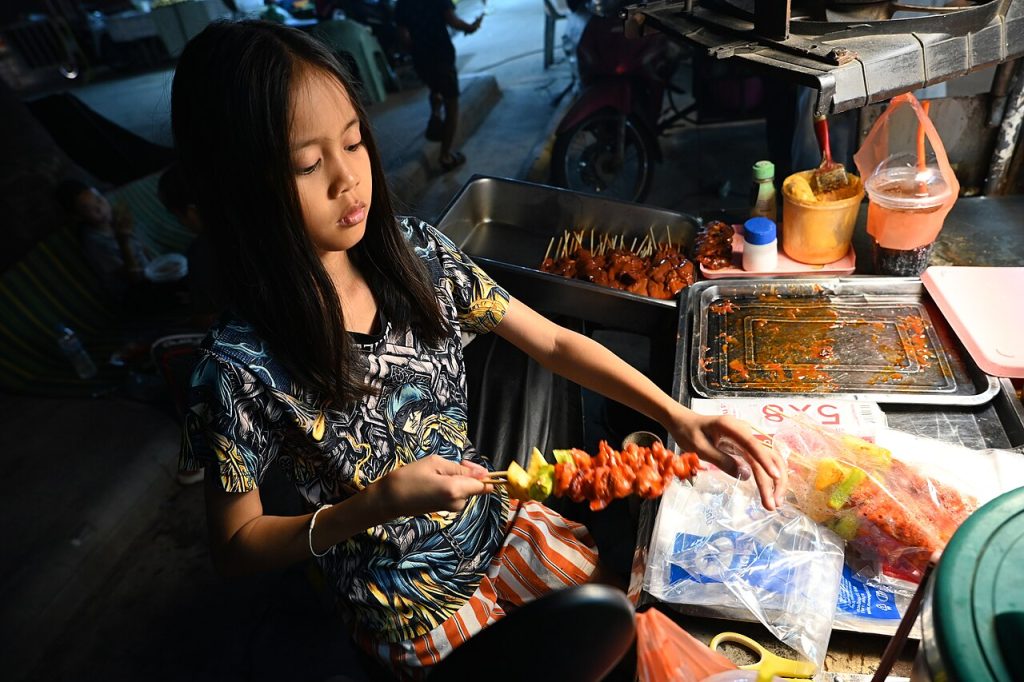
Grilled skewers of marinated chicken or pork served with peanut sauce and cucumber relish. The sizzling sound and smoky scent signal freshness.
3. Indian Chaat
A tangy mix of boiled potatoes, chickpeas, yogurt, and tamarind sauce, topped with sev and fresh herbs. Watch how the vendor layers flavors to create that signature burst of taste.
4. Japanese Takoyaki
Soft, bite‑size balls of batter filled with octopus, served hot off the griddle with mayo and bonito flakes. The golden crust and steam are unmistakable.
5. South African Bunny Chow
A hollowed-out loaf of bread filled with curry. Street vendors often serve it in a plastic cup, making it easy to eat while walking.
Practical Tips for a Memorable Experience
1. Start early – Many vendors open at dawn and close by late afternoon; early visits often mean fresher ingredients and fewer crowds.
2. Plan your route – Map out a trail of food stalls based on your interests; this helps you stay organized and maximizes time.
3. Try local specialties – Don’t settle for the generic; ask vendors for their signature dish or the item most popular with locals.
4. Be respectful – Use polite language, follow local customs, and avoid demanding changes that may be difficult for the vendor.
5. Enjoy the atmosphere – Take a moment to absorb the sights, sounds, and smells; the experience is as much cultural immersion as it is a meal.
Conclusion
Street food is more than just a quick bite; it’s a passport to the soul of a place. By staying mindful of safety, preparing a few essential items, and approaching each stall with curiosity, beginners can confidently explore the world’s most exciting culinary scenes. Grab a fork, step onto the street, and let the flavors guide you on an unforgettable gastronomic adventure.