
Intro
When most people think of Indonesian cuisine, they picture dishes like nasi goreng, rendang, and satay. Yet, beneath the surface lies a wealth of flavors, techniques, and regional specialties that rarely get international attention. This guide uncovers the hidden gems, local spice blends, and cooking secrets that give Indonesian food its unmistakable character.
1. The Spice Vault: Rare Blends That Define Taste
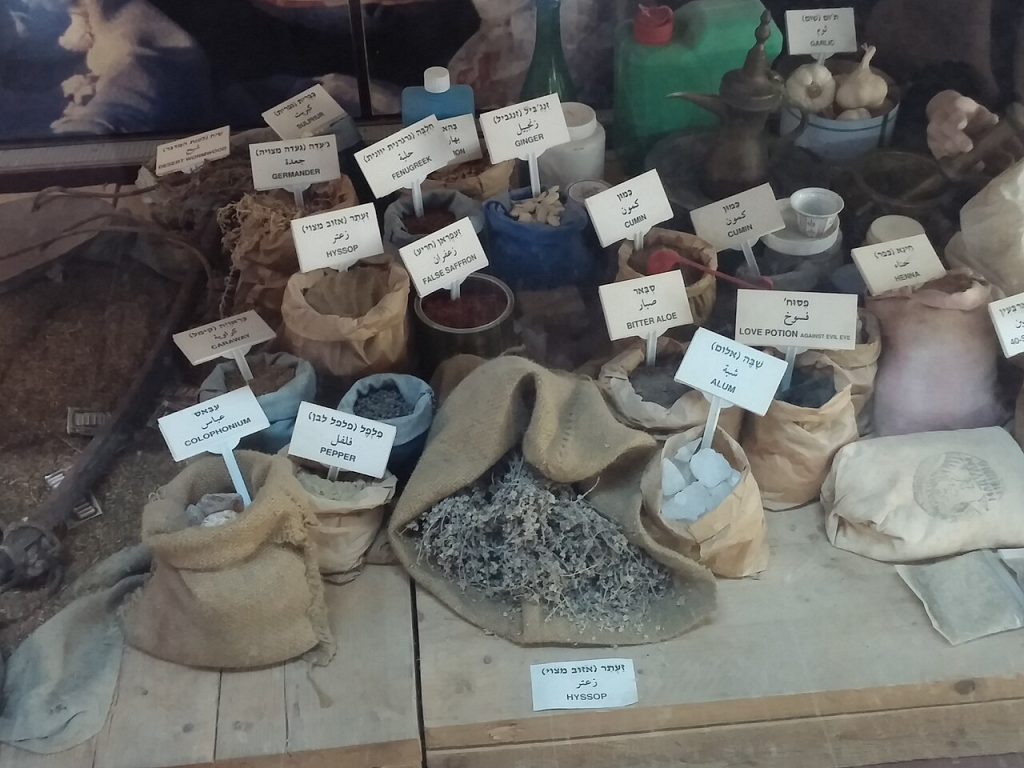
Indonesia’s archipelago hosts a staggering variety of spices, many of which are cultivated in isolated pockets. While galangal and turmeric are staples, lesser-known blends such as cempaka spice mix—a fragrant blend of candlenuts, dried chilies, and roasted lemongrass—add depth to soups and stews. In West Java, chefs use cempokang, a sweet, earthy mix of candlenuts, cassia, and cassava starch, to create silky sauces for grilled meats.
These spices are often ground on stone mills, preserving their volatile oils. When purchasing, look for locally packed jars in wet markets; the fresher the grind, the more aromatic the dish.
How to Use Rare Spices at Home
1. Toast whole spices before grinding to unlock flavor. 2. Store in airtight containers away from light. 3. Start with ¼ teaspoon of cempaka in soups, adjusting to taste. 4. Pair cempokang with coconut milk for a silky sauce that complements grilled fish.
2. Regional Hidden Gems: Dishes You’ve Never Heard Of
Beyond the well-known staples, each province has its own signature dishes that rarely appear on menus abroad.
- Gudeg (Yogyakarta) – A sweet jackfruit stew slow‑cooked with palm sugar, coconut milk, and a hint of tamarind. It’s traditionally served with steamed rice, boiled eggs, and tempeh.
- Ayam Bakar Taliwang (Lombok) – Grilled chicken marinated in a fiery blend of chilies, shrimp paste, and lime, finished with a caramelized glaze.
- Rawon (East Java) – A black beef soup made with keluak nuts, giving it a dark hue and nutty flavor, served over rice with boiled egg and fried shallots.
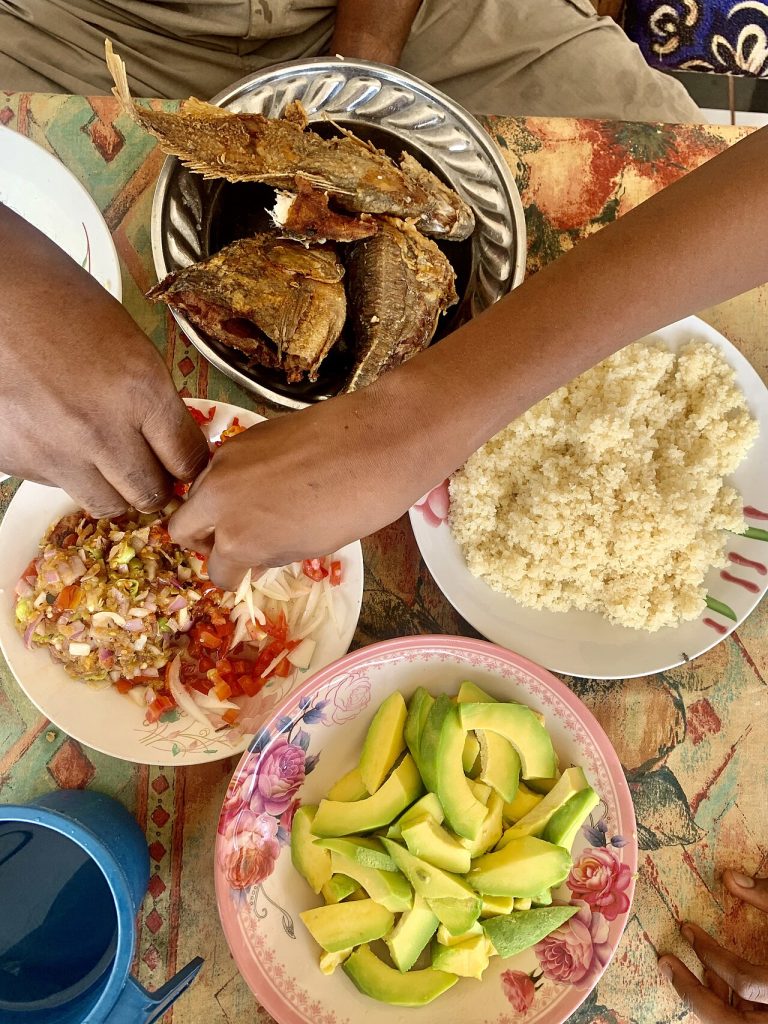
These dishes showcase the island’s diverse palate, from sweet to savory to umami. Experiencing them in a local warung (small eatery) offers a glimpse into everyday culinary traditions.
Tips for Trying Regional Food Safely
1. Ask the vendor for the freshest ingredients. 2. Observe the cooking process; fresh steam is a sign of quality. 3. If you’re new to spicy foods, start with milder versions and increase heat gradually.
3. Traditional Cooking Techniques: From Clay Ovens to Leaf‑Wrapped Steams
Indonesian chefs employ several age‑old methods that elevate flavor.
- Oven of the Javanese – Small clay ovens called tukang bakar produce smoky, caramelized meats and breads, a technique still used in rural villages.
- Leaf‑Wrapped Steaming (Pekelakan) – Vegetables or fish are wrapped in banana or palm leaves before steaming, infusing the dish with subtle herbal notes.
- Griddle (Kenduri) – A flat iron pan used for quick stir‑frying, ensuring that sauces adhere tightly to the ingredients.
Mastering these techniques can transform a simple meal into an authentic culinary experience.
Recreating Traditional Methods at Home
1. For a clay‑oven effect, use a preheated oven with a metal pan on a high rack. 2. Wrap fish in banana leaves before steaming; seal ends with kitchen twine. 3. Use a heavy skillet for kenduri; preheat until it’s almost smoking before adding oil.
4. Practical Tips for Indonesian Food Lovers
Whether you’re traveling or cooking at home, these practical pointers will help you navigate Indonesia’s culinary landscape.
- Shop Local Markets – Fresh produce and spices are best sourced from wet markets. Ask vendors for seasonal recommendations.
- Learn Basic Phrases – Phrases like “apa harga?” (price) and “sampai kapan?” (when does it close?) help you negotiate and explore off‑peak stalls.
- Respect Food Etiquette – It is customary to eat with your right hand; avoid offering food to a stranger with the left hand.
- Try the Street Food – Street stalls often provide the most authentic flavors at the lowest cost.
Conclusion
Indonesia’s culinary world is a treasure trove of flavors waiting to be discovered. By exploring rare spice blends, regional specialties, and traditional cooking techniques, you can experience the full spectrum of Indonesian food beyond the usual tourist fare. Whether you’re a seasoned foodie or a curious traveler, these lesser‑known secrets will enrich your palate and deepen your appreciation for Indonesia’s vibrant culinary heritage.