
Japanese food has long been celebrated for its delicate flavors, fresh ingredients, and mindful preparation. Whether you’re a seasoned sushi lover or just curious about the culinary traditions of Japan, exploring its dishes can open the door to healthier eating habits and exciting culinary adventures.
Health Benefits of Japanese Cuisine
Japanese cooking emphasizes balance, seasonal produce, and minimal processing. These principles translate into tangible health advantages:
- Rich in Omega‑3s: Fish like salmon, mackerel, and sardines are staples, offering heart‑healthy fats.
- High in Antioxidants: Seaweed, miso, and green tea deliver compounds that support cellular health.
- Low in Saturated Fat: Traditional dishes rely on steaming, grilling, or raw preparations rather than frying.
- Portion Control: Meals are typically served in smaller portions, encouraging mindful eating.
- Gut Health: Fermented foods such as miso soup, natto, and pickled vegetables provide probiotics.
These elements combine to support cardiovascular health, improve digestion, and help maintain a healthy weight.
Iconic Japanese Dishes You Should Try
From street‑food classics to elegant banquet items, Japanese cuisine offers a spectrum of flavors. Here are some must‑taste examples:
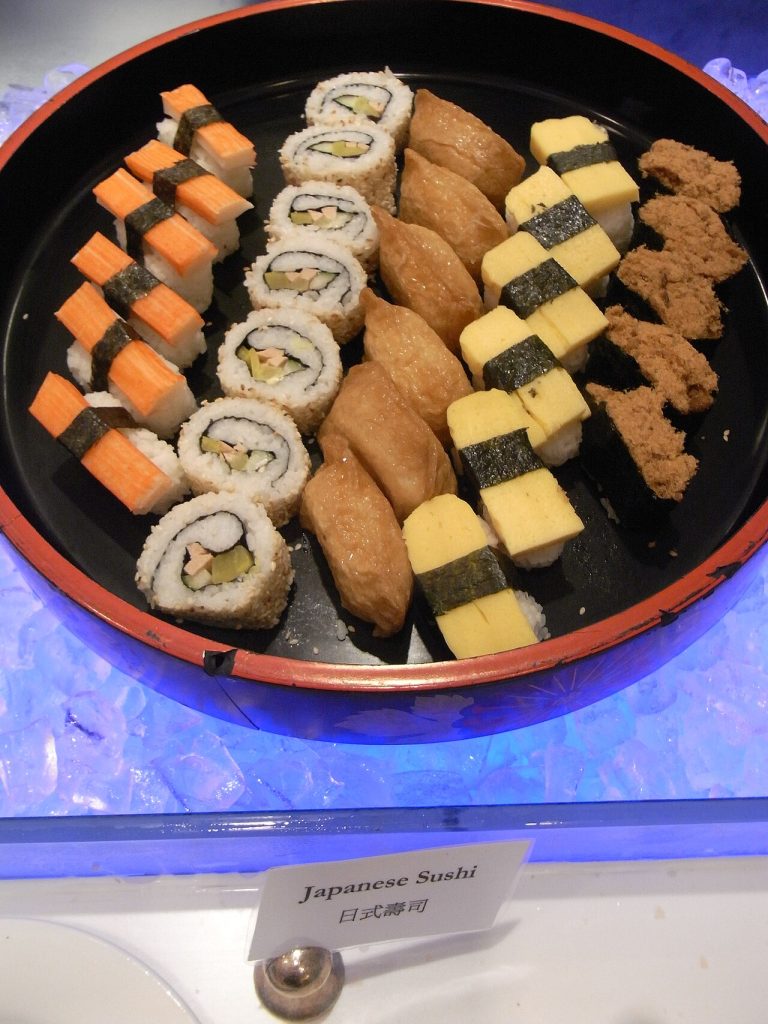
- Sushi & Sashimi – Vinegared rice paired with fresh fish, avocado, or cucumber. Try nigiri for a bite‑size experience or sashimi for pure fish texture.
- Ramen – Thick wheat noodles in a savory broth, topped with sliced pork, soft‑boiled eggs, and green onions.
- Tempura – Light, airy batter coated around shrimp, sweet potato, or broccoli, then deep‑fried to golden perfection.
- Okonomiyaki – A savory pancake made with cabbage, pork, and a drizzle of tangy sauce.
- Miso Soup – A comforting broth flavored with fermented soybean paste, tofu, and seaweed.
- Yakitori – Skewered chicken grilled over charcoal, seasoned with salt or tare (sweet soy glaze).
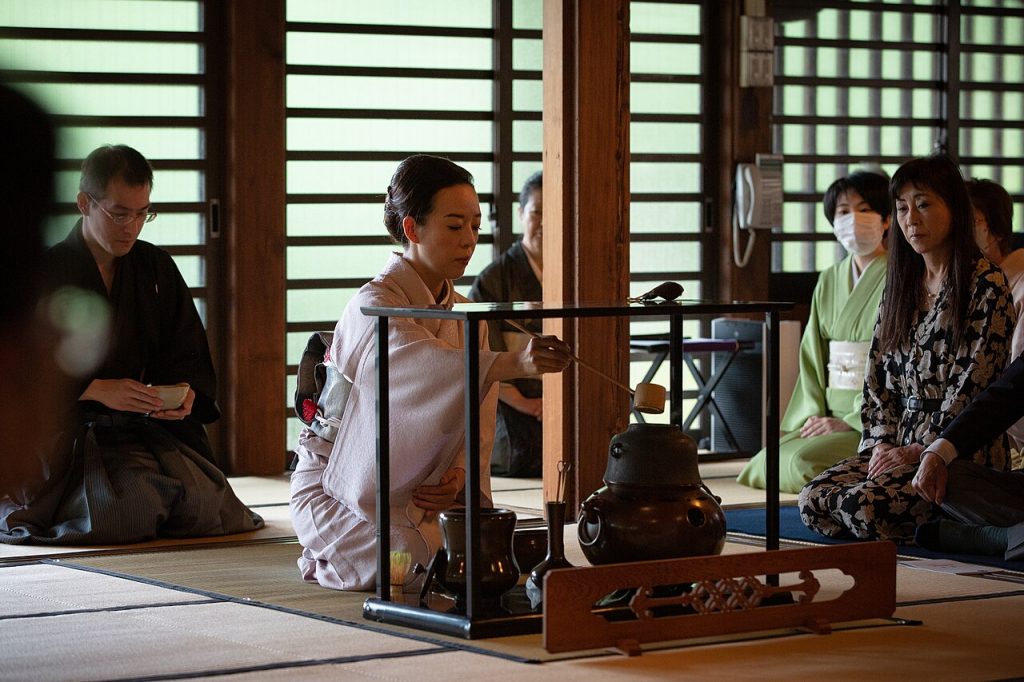
- Matcha Desserts – Finely ground green tea powder used in cakes, ice cream, and custards, adding a subtle bitterness and vibrant color.
Creative Ways to Incorporate Japanese Flavors at Home
Adapting Japanese techniques and ingredients can transform everyday meals. Try these ideas:
- Seaweed Salad – Toss mixed greens with nori strips, sesame seeds, and a light citrus dressing.
- Japanese‑Style Stir‑Fry – Sauté sliced beef or tofu with bell peppers, mushrooms, and a sauce of soy, mirin, and a touch of honey.
- Rice Bowl (Donburi) – Layer steamed rice with teriyaki chicken, sautéed spinach, and a soft‑boiled egg.
- Pickled Vegetables – Quick cucumber or daikon pickles marinated in rice vinegar, sugar, and salt.
- Matcha Latte – Blend matcha powder with steamed milk for a caffeine‑boosting breakfast.
- Japanese‑Inspired Soups – Create a simple miso soup with tofu cubes, scallions, and wakame seaweed.
Practical Tips for Dining Out and Grocery Shopping
Whether you’re planning a trip to Japan or simply exploring local Japanese markets, these tips will help you make the most of your experience.
- Ask About Seasonal Specials: Many Japanese restaurants feature seasonal ingredients that highlight freshness.
- Use Rice as a Base: Replace white rice with brown or mixed grains for extra fiber.
- Opt for Shared Plates: Japanese meals often encourage communal dining; share a variety of small dishes for balanced nutrition.
- Check the Sodium Level: Soy sauce and miso can be high in sodium; look for low‑sodium options or dilute with water.
- Buy Fresh Seafood: Visit reputable fish markets and ask for sushi‑grade fish if you plan to eat raw.
- Explore Vegan Options: Many Japanese dishes can be easily adapted to vegan or vegetarian diets—just swap out animal proteins for tofu or seitan.
Conclusion
Japanese food offers more than just exquisite taste—it brings a balanced, health‑oriented approach to eating that can be easily integrated into any lifestyle. From the nutrient‑rich sushi and ramen to the comforting warmth of miso soup, each dish reflects a philosophy of harmony and respect for ingredients. By experimenting with seasonal ingredients, mindful portion sizes, and simple cooking techniques, you can enjoy the benefits of Japanese cuisine right at home.