
Intro
Thai food is celebrated worldwide for its harmonious balance of sweet, sour, salty, and spicy notes. Beyond its delicious taste, Thai dishes are packed with fresh herbs, spices, and nutrient‑rich ingredients that offer a range of health benefits. Whether you’re a seasoned home cook or a beginner, this guide will walk you through the essential elements of Thai cuisine, showcase popular dishes, and provide practical cooking tips to help you recreate authentic flavors in your kitchen.
Health Benefits of Thai Cuisine
Thai cooking relies heavily on fresh produce and spices, many of which have been studied for their positive health effects.
- Rich in Antioxidants: Lemongrass, galangal, and kaffir lime leaves are high in polyphenols, helping to reduce oxidative stress.
- Anti‑Inflammatory Properties: Turmeric, ginger, and galangal contain curcumin and gingerol, compounds known to ease inflammation.
- Heart‑Healthy Fats: Coconut milk and fish sauce provide healthy omega‑3 fatty acids, while the use of moderate oil keeps calorie density in check.
- Digestive Aid: Fresh herbs like cilantro, basil, and mint improve digestion and reduce bloating.
- Balanced Nutrition: A typical Thai meal combines protein, vegetables, and complex carbohydrates, promoting satiety and steady energy levels.
Flavor Profile & Key Ingredients
Understanding the flavor building blocks is essential for mastering Thai cooking. The core taste components are:
- Sour: Tamarind, lime juice, and fermented fish sauce add brightness.
- Sweet: Palm sugar, coconut sugar, or a touch of honey balance acidity.
- Salty: Fish sauce, soy sauce, and shrimp paste provide depth.
- Spicy: Fresh chilies, chili paste, and dried chili flakes deliver heat.
- Umami: Mushrooms, fermented products, and dried anchovies enrich savory notes.
Key ingredients to have on hand include:
- Lemongrass stalks, galangal slices, kaffir lime leaves
- Fresh chilies, chili paste (nam prik), dried chili flakes
- Fish sauce, soy sauce, shrimp paste
- Red or green curry paste, coconut milk, palm sugar
- Fresh herbs: Thai basil, cilantro, mint, kaffir lime leaves
- Vegetables: bell peppers, bamboo shoots, eggplant, carrots, snow peas
- Proteins: shrimp, chicken, tofu, pork, beef, fish
Classic Thai Dishes to Try at Home
Here are a few iconic dishes that capture the essence of Thai cuisine. Each recipe can be adjusted to suit dietary preferences.
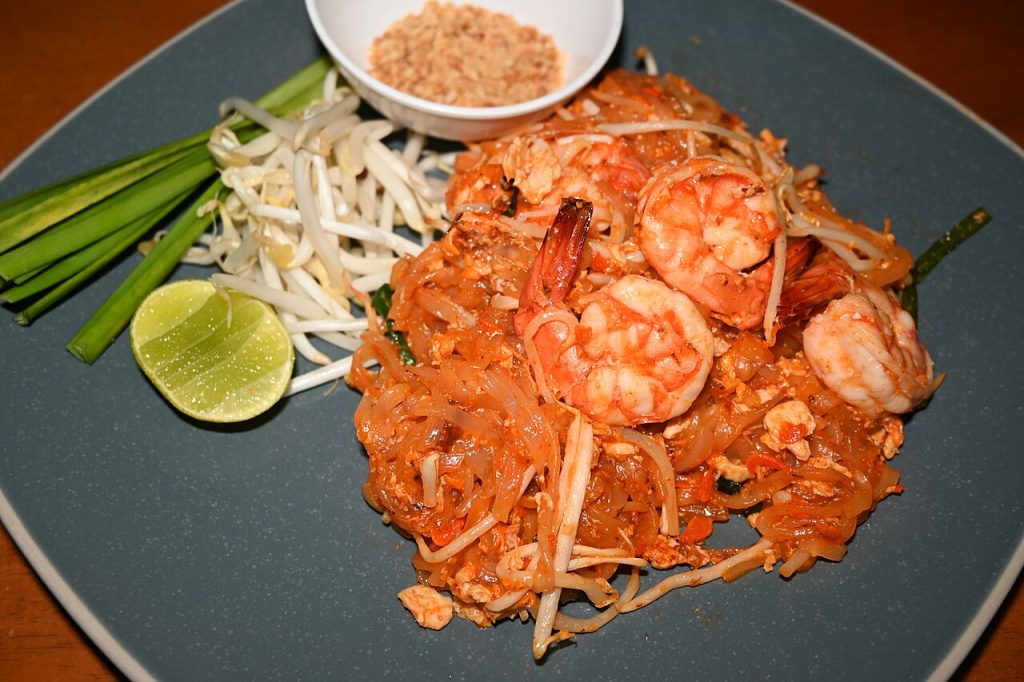
1. Pad Thai (Stir‑Fried Noodles)
- Rice noodles, tamarind paste, palm sugar, fish sauce, lime wedges, bean sprouts, crushed peanuts, and optional protein.
- Quick stir‑fry technique: heat oil, add protein, then add noodles and sauce. Finish with fresh herbs.
2. Tom Yum Goong (Spicy Shrimp Soup)
- Fresh shrimp, lemongrass, galangal, kaffir lime leaves, mushrooms, chili paste, fish sauce, lime juice, and cilantro.
- Simmer the aromatics first, then add shrimp and finish with lime juice for brightness.
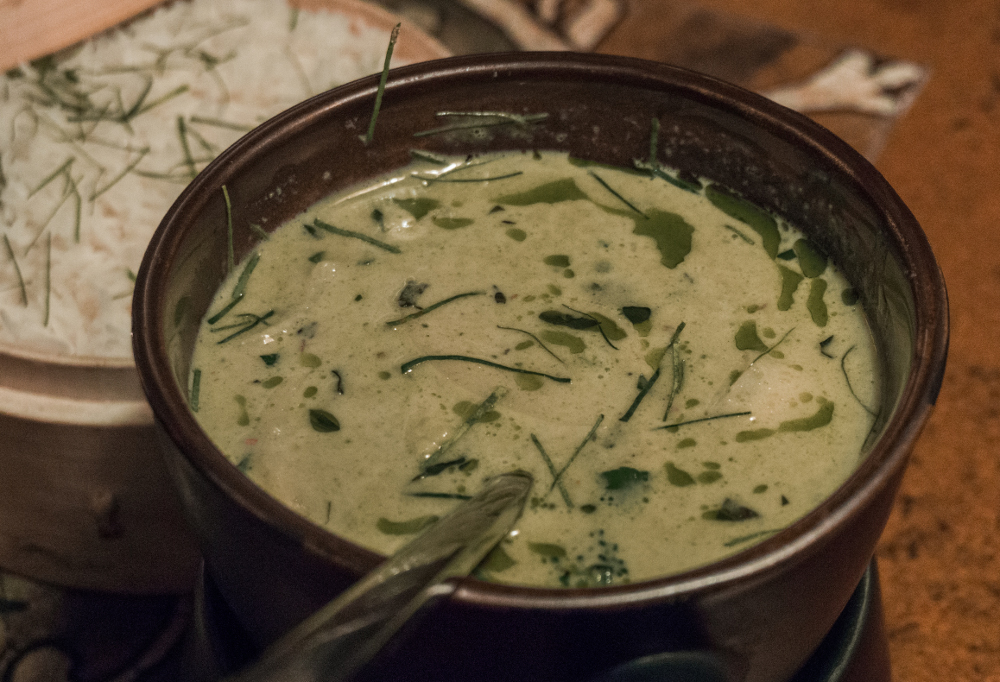
3. Green Curry with Chicken
- Green curry paste, coconut milk, chicken breast, bamboo shoots, bell pepper, Thai basil, and a splash of fish sauce.
- Cook the paste in coconut milk before adding protein and vegetables for a creamy, aromatic sauce.
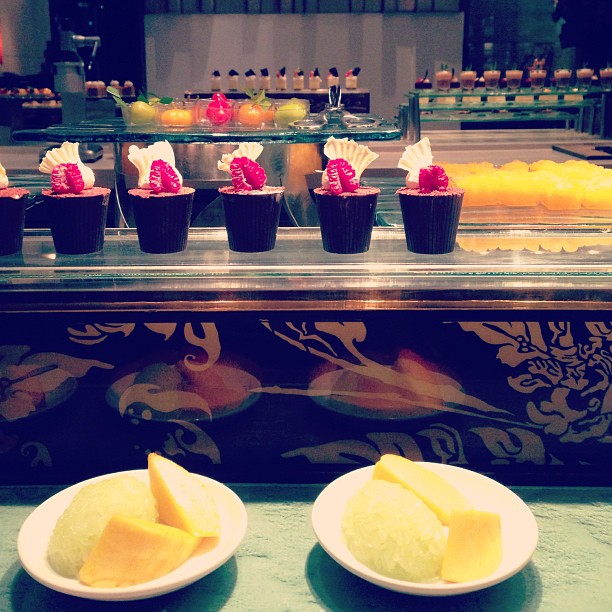
4. Mango Sticky Rice (Dessert)
- Glutinous rice, coconut milk, palm sugar, fresh mango slices, and a pinch of salt.
- Cook the rice in coconut milk, sweeten, and serve with ripe mango.
Practical Tips for Authentic Thai Cooking
- Use a Wok: The high heat and wide surface allow for quick stir‑fries and even cooking.
- Prep Ingredients Early: Have all aromatics, proteins, and vegetables cut before heating the pan; Thai dishes cook fast.
- Balance Flavors: Taste as you go. Add fish sauce for saltiness, palm sugar for sweetness, lime juice for acidity, and chili for heat.
- Don’t Overcook Seafood: Shrimp and fish turn rubbery quickly; cook just until opaque.
- Fresh Herbs at the End: Add basil, cilantro, or mint after cooking to preserve their bright flavor.
- Make Curry Paste at Home: Blend fresh chilies, lemongrass, galangal, and garlic for a fresher taste than store‑bought paste.
Vegetarian & Vegan Thai Options
Thai cuisine offers plenty of plant‑based dishes. Replace fish sauce with soy sauce or tamari, and use tofu or tempeh for protein. Coconut milk provides richness, while fresh veggies keep the dish vibrant.
- Vegetable Stir‑Fry with Peanut Sauce: A mix of bell pepper, broccoli, carrots, and snow peas tossed in a creamy peanut sauce.
- Thai Lentil Curry: Red lentils cooked with curry paste, coconut milk, and spinach.
- Vegan Tom Kha: Coconut soup with mushrooms, galangal, and lime zest.
Conclusion
Thai food offers a delightful blend of flavors, healthful ingredients, and culinary versatility. With a few essential tools and ingredients, you can recreate the aromatic, balanced dishes that have made Thai cuisine beloved worldwide. Experiment with the classic recipes, adjust spice levels to your taste, and enjoy the journey of bringing authentic Thai flavors to your home table.